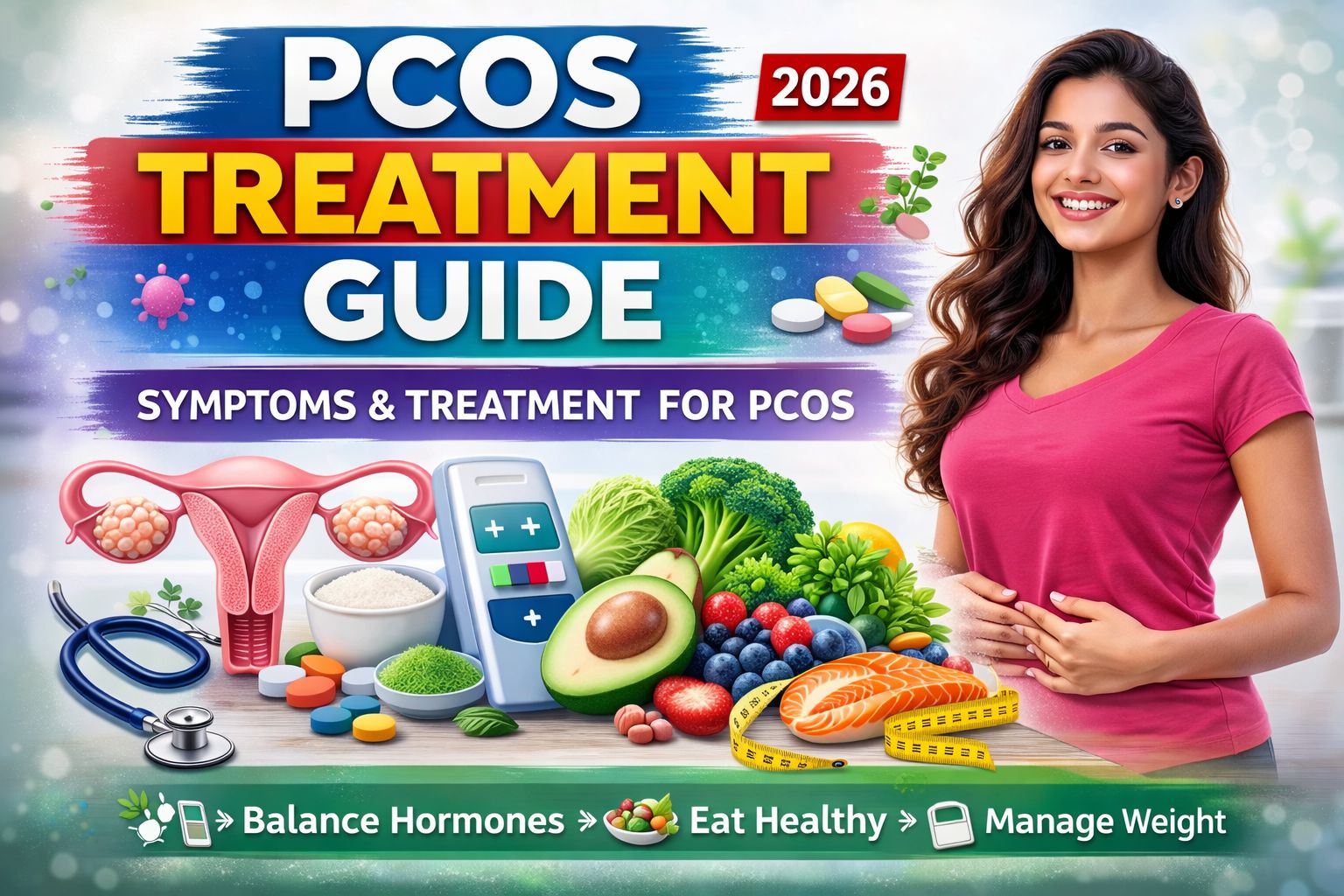
PCOS Treatment Guide: A Complete Roadmap to Managing Polycystic Ovary Syndrome Naturally
Polycystic Ovary Syndrome (PCOS) is one of the most common hormonal disorders affecting women today — yet many women remain undiagnosed or confused about how to manage it effectively. Irregular periods, weight gain, acne, hair thinning, mood swings, and difficulty in conceiving are just a few of the symptoms that can disrupt daily life and emotional well-being.
If you’ve been searching for:
- PCOS treatment options
- How to cure PCOS naturally
- Best diet for PCOS weight loss
- How to regulate periods in PCOS
- PCOS symptoms and causes
- Natural remedies for PCOS
- PCOS treatment in India
Then this comprehensive PCOS Treatment Guide by AdzioHub.com is designed specifically for you.
At AdzioHub, we focus on delivering research-backed, practical, and easy-to-understand health content that empowers women to take control of their health naturally and confidently. This guide will help you understand PCOS, its root causes, treatment options, diet strategies, lifestyle changes, and frequently asked questions — all in one place.
What is PCOS? Understanding the Condition Clearly
Polycystic Ovary Syndrome (PCOS) is a hormonal imbalance that affects women of reproductive age. It occurs when the ovaries produce higher-than-normal levels of androgens (male hormones), which can interfere with ovulation.
In simple terms, PCOS affects:
- Hormone balance
- Menstrual cycle regularity
- Ovulation process
- Metabolism
- Fertility
Women with PCOS may develop small fluid-filled sacs (cysts) on the ovaries, although not every woman with PCOS has cysts.
Common Symptoms of PCOS
Symptoms can vary from mild to severe. The most common signs include:
- Irregular or missed periods
- Heavy menstrual bleeding
- Weight gain, especially around the abdomen
- Acne and oily skin
- Excess facial or body hair (hirsutism)
- Hair thinning or hair loss
- Difficulty conceiving
- Mood swings or anxiety
Early detection and proper management can significantly reduce complications.
What Causes PCOS?
The exact cause of PCOS is not fully understood, but several contributing factors include:
1. Insulin Resistance
Many women with PCOS have insulin resistance, meaning the body cannot use insulin effectively. This leads to higher insulin levels, which trigger excess androgen production.
2. Hormonal Imbalance
Elevated levels of androgens disrupt normal ovulation.
3. Genetics
PCOS often runs in families.
4. Inflammation
Low-grade inflammation may stimulate androgen production.
Understanding the root cause is essential for effective PCOS treatment.
Why Proper PCOS Treatment Is Important
Untreated PCOS can increase the risk of:
- Type 2 diabetes
- Infertility
- High blood pressure
- Heart disease
- Endometrial cancer
- Depression and anxiety
That’s why early lifestyle changes and medical guidance are crucial.
PCOS Treatment Options: Medical and Natural Approaches
There is no permanent “cure” for PCOS, but symptoms can be effectively managed with the right approach.
1. Lifestyle Modifications
Lifestyle changes are the first and most powerful step in managing PCOS.
- Balanced nutrition
- Regular exercise
- Stress management
- Proper sleep
- Weight control
Even a 5–10% reduction in body weight can improve symptoms significantly.
2. Diet Plan for PCOS
Food plays a major role in hormone balance and insulin control.
Best Foods for PCOS
- Whole grains (brown rice, oats, quinoa)
- Leafy greens (spinach, kale)
- Lean proteins (eggs, fish, tofu, legumes)
- Healthy fats (nuts, seeds, olive oil)
- Low-glycemic fruits (berries, apples)
Foods to Avoid
- Refined sugar
- White bread and maida
- Sugary drinks
- Processed snacks
- Deep-fried foods
A low-glycemic index (GI) diet helps stabilize blood sugar and reduce insulin resistance.
PCOS and Weight Loss
Weight gain is one of the most frustrating symptoms of PCOS. Hormonal imbalance makes it harder to lose weight, but not impossible.
Tips for PCOS Weight Loss
- Eat high-fiber meals
- Include protein in every meal
- Avoid skipping meals
- Do strength training
- Stay hydrated
- Get 7–8 hours of sleep
Sustainable habits work better than crash diets.
Exercise for PCOS Management
Physical activity improves insulin sensitivity and hormone balance.
Best Exercises for PCOS
- Brisk walking
- Yoga
- Strength training
- HIIT workouts
- Cycling
Consistency matters more than intensity.
Natural Remedies for PCOS
Some natural approaches may support symptom management:
- Spearmint tea (may reduce excess hair growth)
- Cinnamon (may improve insulin sensitivity)
- Flaxseeds (support hormone balance)
- Omega-3 fatty acids
Always consult a healthcare professional before trying supplements.
PCOS and Fertility
Many women with PCOS worry about fertility. The good news is — pregnancy is possible with proper treatment and ovulation management.
Doctors may recommend:
- Ovulation-inducing medications
- Hormonal therapy
- Weight management
- Lifestyle improvements
Early intervention increases chances of conception.
Mental Health and PCOS
PCOS affects emotional health as well. Hormonal fluctuations can contribute to:
- Anxiety
- Depression
- Low self-esteem
- Body image issues
Practicing mindfulness, therapy, yoga, and regular exercise can support mental well-being.
Long-Term Management Strategy
PCOS is a long-term condition, so management should focus on sustainability.
Key Pillars of PCOS Control
- Balanced diet
- Regular physical activity
- Stress reduction
- Routine medical checkups
- Blood sugar monitoring
- Hormonal evaluation
Small daily changes lead to long-term improvements.
Why Trust AdzioHub for PCOS Guidance?
At AdzioHub.com, we aim to provide high-quality, research-driven health content aligned with Google’s ranking standards and user intent.
Our content focuses on:
- Accurate medical information
- Practical diet and lifestyle advice
- Preventive health strategies
- Women’s wellness education
We simplify complex medical topics into actionable steps that help women take control of their health.
Final Thoughts
PCOS is manageable — and with the right information, support, and consistency, women can lead healthy and fulfilling lives. Understanding your body, making informed lifestyle choices, and seeking timely medical advice are the keys to successful PCOS treatment.
Your health journey doesn’t require perfection — it requires awareness and small, consistent steps.
Stay connected with AdzioHub.com for trusted health guides, expert insights, and practical wellness solutions designed to empower you every day.
Because your hormones don’t control you — you can learn to control them. 💜
Frequently Asked Questions (FAQs)
1. What is the best treatment for PCOS?
The best treatment includes lifestyle changes, a balanced diet, regular exercise, weight management, and medical guidance. Treatment depends on symptoms and individual health conditions.
2. Can PCOS be cured permanently?
There is no permanent cure for PCOS, but symptoms can be effectively managed through lifestyle modifications and medical treatment.
3. What is the best diet for PCOS?
A low-glycemic, high-fiber diet with lean proteins, healthy fats, and whole grains is recommended for PCOS management.
4. Can I get pregnant if I have PCOS?
Yes, many women with PCOS conceive successfully with proper treatment and ovulation management.
5. How does PCOS affect weight gain?
Hormonal imbalance and insulin resistance in PCOS can make weight gain easier and weight loss more challenging.
6. Is exercise necessary for PCOS?
Yes, regular exercise improves insulin sensitivity, helps regulate hormones, and supports weight management.
7. Does PCOS cause irregular periods?
Yes, irregular or missed periods are one of the most common symptoms of PCOS due to disrupted ovulation.