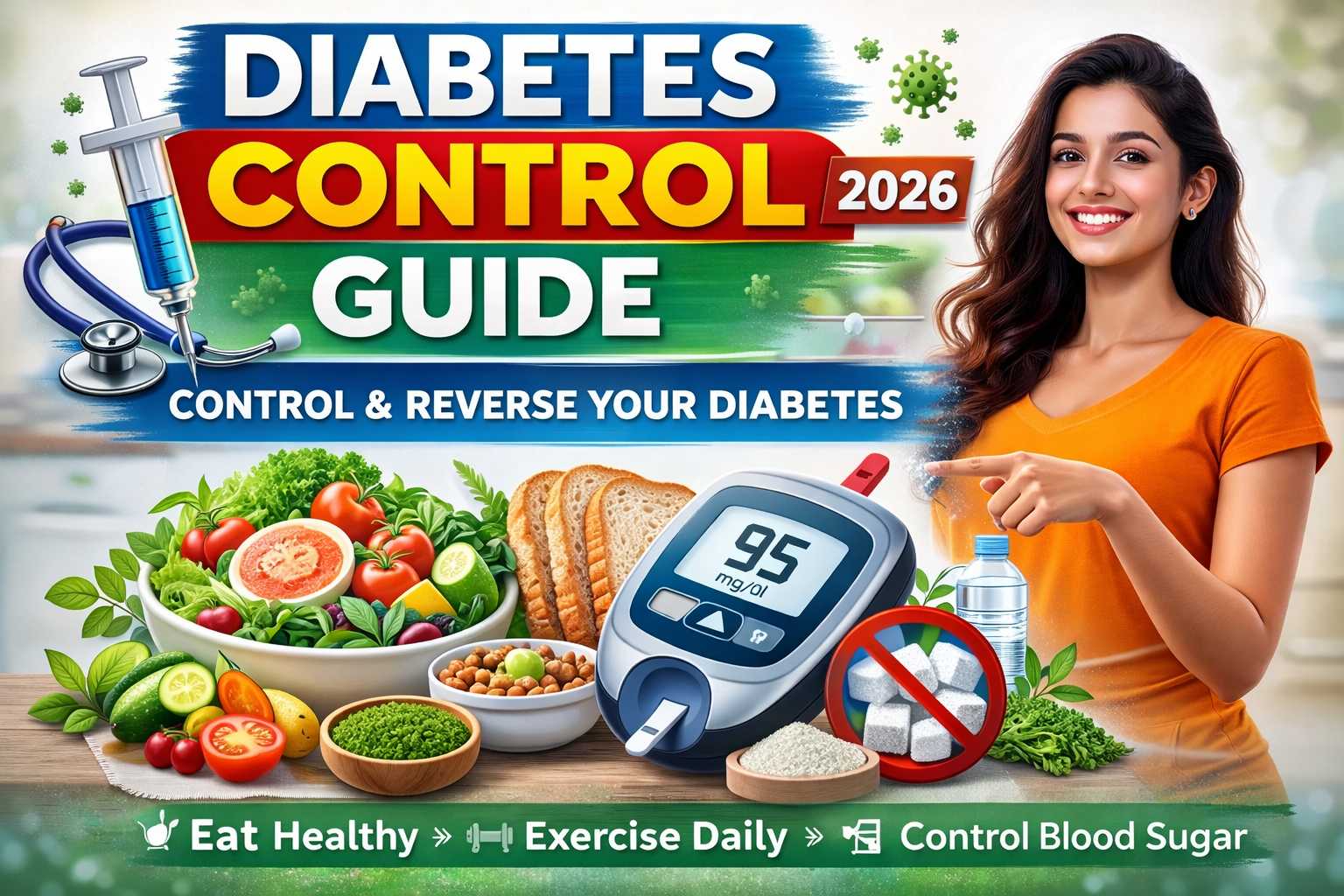
Diabetes is no longer a rare medical condition — it has become one of the fastest-growing lifestyle diseases worldwide. Millions of people are living with high blood sugar levels, and many are unaware of the early warning signs. Whether you have recently been diagnosed, are pre-diabetic, or simply want to prevent diabetes, understanding how to control blood sugar effectively is the key to living a healthy and active life.
At AdzioHub.com, we are committed to providing research-backed, practical, and easy-to-follow health guides that empower you to take control of your well-being. This comprehensive Diabetes Control Guide is designed to help you understand diabetes, manage blood sugar naturally, reduce complications, and improve your overall quality of life.
If you’ve been searching for:
- How to control diabetes naturally
- Best diet for diabetes patients
- How to reduce blood sugar levels fast
- Diabetes management tips
- Lifestyle changes for diabetes control
- Best exercise for diabetes
- Home remedies for diabetes
Then this detailed guide is for you.
Understanding Diabetes: What You Need to Know
Diabetes is a chronic condition that occurs when your body either does not produce enough insulin or cannot effectively use the insulin it produces. Insulin is a hormone responsible for regulating blood sugar (glucose) levels. When this process is disrupted, blood sugar levels rise, leading to serious health complications if not managed properly.
Types of Diabetes
1. Type 1 Diabetes
An autoimmune condition where the body attacks insulin-producing cells. It usually develops in childhood or adolescence and requires lifelong insulin therapy.
2. Type 2 Diabetes
The most common form of diabetes, often linked to lifestyle factors such as poor diet, lack of physical activity, obesity, and stress. It can often be managed through diet, exercise, and medication.
3. Gestational Diabetes
Occurs during pregnancy and usually resolves after childbirth, but increases the risk of developing Type 2 diabetes later in life.
Why Blood Sugar Control Is Important
Uncontrolled diabetes can lead to severe complications, including:
- Heart disease
- Kidney damage
- Nerve damage
- Vision problems
- Stroke
- Foot complications
Maintaining healthy blood sugar levels reduces the risk of these complications and allows you to live a normal, active life.
At AdzioHub, we focus not just on disease management but on long-term prevention and sustainable health improvements.
Signs and Symptoms of High Blood Sugar
Early detection is crucial. Watch for these symptoms:
- Frequent urination
- Excessive thirst
- Unexplained weight loss
- Fatigue
- Blurred vision
- Slow wound healing
If you experience these symptoms, consult a healthcare professional for proper diagnosis and treatment.
The Foundation of Diabetes Control: Diet
Your diet plays the most significant role in managing diabetes. The right food choices can stabilize blood sugar, improve insulin sensitivity, and prevent sudden spikes.
Best Foods for Diabetes Control
1. Whole Grains
Brown rice, quinoa, oats, and whole wheat help maintain stable blood sugar levels due to their high fiber content.
2. Leafy Green Vegetables
Spinach, kale, and broccoli are low in carbohydrates and rich in essential nutrients.
3. Lean Proteins
Eggs, fish, chicken, tofu, and legumes help maintain fullness and reduce sugar cravings.
4. Healthy Fats
Nuts, seeds, olive oil, and avocados improve heart health and insulin sensitivity.
5. Low-Glycemic Fruits
Berries, apples, and pears are better options compared to high-sugar fruits.
Foods to Avoid in Diabetes
- Sugary drinks
- White bread and refined flour
- Processed snacks
- Fried foods
- High-sugar desserts
- Excessive salt intake
Avoiding processed and high-glycemic foods is essential for maintaining stable glucose levels.
Sample Diabetes-Friendly Meal Plan
- Morning : Warm water + soaked almonds
- Breakfast : Oats with chia seeds + boiled eggs
- Mid-Morning Snack : Green tea + handful of nuts
- Lunch : Brown rice + dal + mixed vegetables + salad
- Evening Snack : Roasted chana or sprouts
- Dinner : Grilled vegetables + paneer/tofu/chicken
This balanced meal plan supports gradual and stable blood sugar control.
Exercise: A Powerful Tool for Diabetes Management
Regular physical activity increases insulin sensitivity and helps your body use glucose more effectively.
Best Exercises for Diabetes
- Brisk walking (30 minutes daily)
- Cycling
- Yoga
- Strength training
- Swimming
Even light activities like stretching and household chores contribute to better glucose control.
Consistency matters more than intensity.
The Role of Weight Management
Excess body weight, especially abdominal fat, increases insulin resistance. Losing even 5–10% of body weight can significantly improve blood sugar levels.
Healthy weight loss should focus on:
- Balanced nutrition
- Portion control
- Regular exercise
- Proper sleep
Crash diets are not recommended as they can cause fluctuations in blood sugar.
Stress and Diabetes: The Hidden Connection
Stress hormones like cortisol can increase blood sugar levels. Chronic stress makes diabetes harder to manage.
Stress Management Techniques
- Meditation
- Deep breathing exercises
- Yoga
- Adequate sleep
- Spending time outdoors
Managing stress is just as important as diet and exercise.
Importance of Sleep in Blood Sugar Control
Poor sleep affects insulin sensitivity and increases cravings for unhealthy foods. Aim for 7–8 hours of quality sleep every night.
Good sleep hygiene tips:
- Maintain a consistent bedtime
- Avoid screens before sleeping
- Limit caffeine intake
- Keep your bedroom cool and dark
Monitoring Blood Sugar Regularly
Tracking your blood sugar helps you understand how your body responds to food, exercise, and stress.
- Fasting blood sugar
- Post-meal sugar levels
- HbA1c test (every 3 months)
Regular monitoring allows timely adjustments in diet and lifestyle.
Natural Ways to Support Diabetes Control
While medical treatment is essential, certain natural strategies can complement your management plan:
- Cinnamon (may improve insulin sensitivity)
- Fenugreek seeds
- Bitter gourd juice
- Apple cider vinegar (in moderation)
Always consult your doctor before trying home remedies.
Preventing Diabetes: Is It Possible?
Yes, especially in pre-diabetic individuals.
You can reduce the risk of Type 2 diabetes by:
- Maintaining a healthy weight
- Eating balanced meals
- Exercising regularly
- Avoiding sugary drinks
- Limiting processed foods
- Staying hydrated
Prevention is always better than cure.
Why Choose AdzioHub for Health Guidance?
At AdzioHub.com, our goal is to provide clear, actionable, and reliable health information that aligns with Google’s quality content standards. We focus on:
- Research-based health insights
- Easy-to-follow diet and lifestyle guides
- Practical wellness strategies
- Preventive healthcare awareness
Our Diabetes Control Guide is crafted to help readers not just understand diabetes but take confident steps toward better health.
Frequently Asked Questions (FAQs)
1. How can I control diabetes naturally?
You can control diabetes naturally by following a balanced diet, exercising regularly, maintaining a healthy weight, managing stress, and monitoring blood sugar levels consistently. Avoiding processed foods and sugary drinks also helps stabilize glucose levels.
2. What is the best diet for diabetes control?
The best diet for diabetes includes whole grains, leafy green vegetables, lean proteins, healthy fats, nuts, seeds, and low-glycemic fruits. Avoid refined carbohydrates, sugary foods, and processed snacks.
3. Can exercise lower blood sugar levels?
Yes, regular physical activity improves insulin sensitivity and helps the body use glucose more efficiently. Brisk walking, cycling, yoga, and strength training are highly beneficial for blood sugar control.
4. What foods should diabetics avoid?
People with diabetes should avoid sugary drinks, white bread, refined flour products, fried foods, packaged snacks, and high-sugar desserts, as these can cause rapid blood sugar spikes.
5. How often should blood sugar be monitored?
Blood sugar monitoring depends on your doctor’s advice. Generally, fasting and post-meal sugar levels should be checked regularly, along with an HbA1c test every 3 months.
6. Is it possible to reverse Type 2 diabetes?
In some cases, early-stage Type 2 diabetes can be managed and significantly improved through weight loss, healthy eating, regular exercise, and consistent lifestyle changes under medical supervision.
7. What are early signs of high blood sugar?
Common symptoms include frequent urination, excessive thirst, fatigue, blurred vision, slow wound healing, and unexplained weight loss.
8. Does stress affect blood sugar levels?
Yes, stress releases hormones like cortisol that can increase blood sugar levels. Managing stress through meditation, exercise, and proper sleep is important for diabetes control.
Final Thoughts
Diabetes management is not about restriction — it’s about balance. By making mindful food choices, staying active, managing stress, and monitoring blood sugar regularly, you can live a healthy and fulfilling life.
Small daily habits create long-term health results. Whether you are managing diabetes or aiming to prevent it, this guide provides a complete roadmap to help you succeed.
Your health is your responsibility — and with the right knowledge, tools, and consistency, diabetes can be controlled effectively.
Stay connected with AdzioHub.com for more expert-backed health guides, nutrition plans, and wellness strategies designed to help you live stronger, longer, and healthier.
Because better health begins with informed decisions — and today is the best day to start. 💙