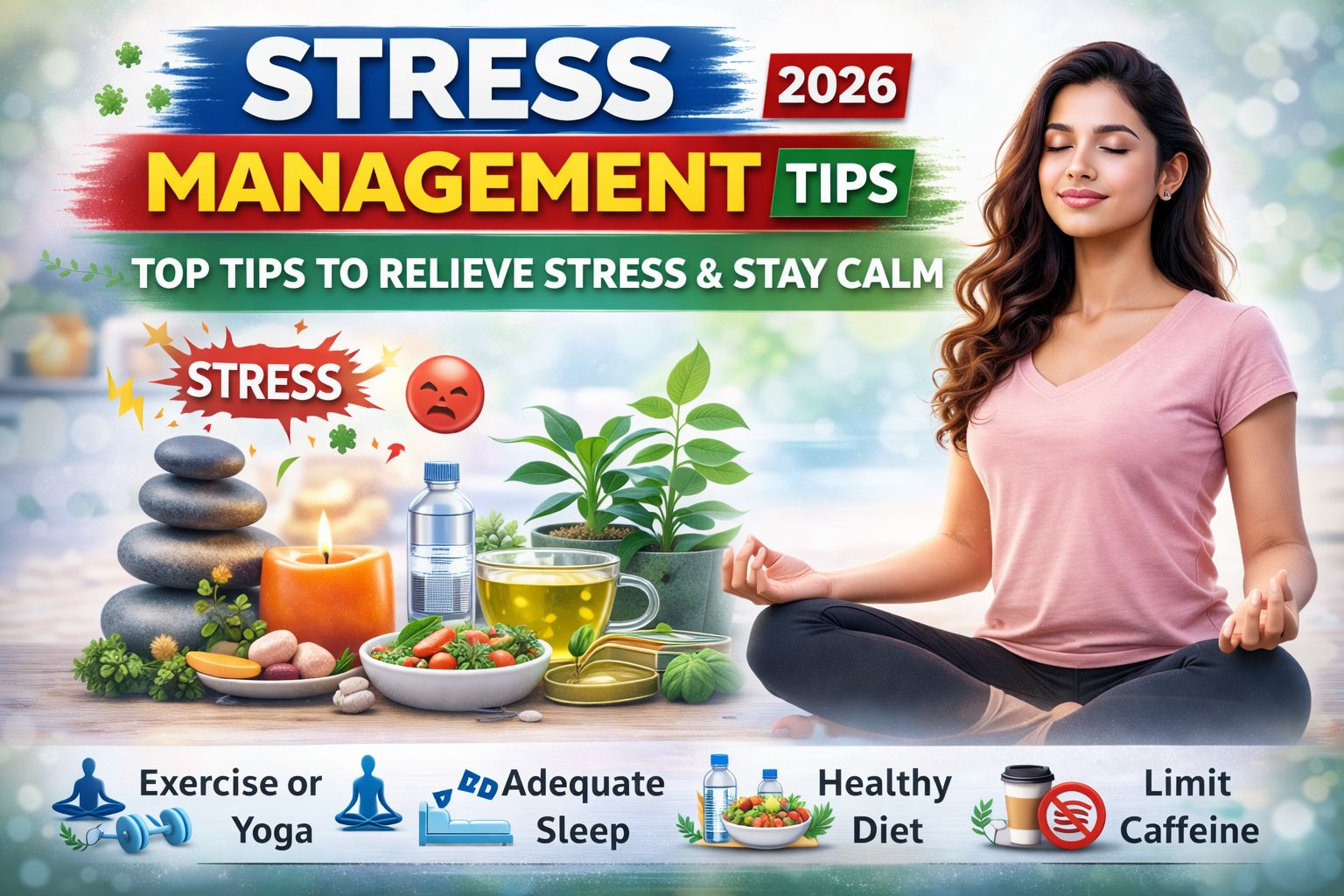
Stress Management Tips for Working Professionals: A Practical Guide to Balance, Productivity & Mental Well-Being
In today’s fast-paced corporate world, stress has become almost unavoidable. Deadlines, performance pressure, long working hours, financial responsibilities, job insecurity, and work-life imbalance — all of these can quietly build up and impact your mental and physical health. While a certain level of stress can motivate you to perform better, chronic workplace stress can lead to burnout, anxiety, sleep problems, high blood pressure, and reduced productivity.
If you’ve been searching for:
- How to manage stress at work
- Stress management tips for employees
- How to reduce work stress naturally
- Office stress relief techniques
- Work-life balance strategies
- How to avoid burnout
- Stress management techniques for professionals
Then this comprehensive guide by AdzioHub.com is exactly what you need.
At AdzioHub, we believe that professional success should not come at the cost of your mental health. This detailed guide is designed to help working professionals manage stress effectively, improve focus, enhance productivity, and maintain emotional balance — all while advancing in their careers.
Understanding Workplace Stress
Workplace stress occurs when job demands exceed your ability to cope. It may arise from:
- Tight deadlines
- Excessive workload
- Lack of job control
- Poor management support
- Workplace conflicts
- Job insecurity
- Long commutes
- Constant digital connectivity
Over time, unmanaged stress can affect both your body and mind.
Signs You’re Experiencing Work-Related Stress
Recognizing stress early is the first step toward managing it.
Physical Symptoms:
- Headaches
- Muscle tension
- Fatigue
- Digestive issues
- Sleep disturbances
Emotional Symptoms:
- Irritability
- Anxiety
- Mood swings
- Lack of motivation
- Feeling overwhelmed
Behavioral Symptoms:
- Procrastination
- Reduced productivity
- Social withdrawal
- Increased caffeine or junk food consumption
Ignoring these signs can eventually lead to burnout — a state of emotional, physical, and mental exhaustion.
Why Stress Management Is Crucial for Professionals
Managing stress is not just about feeling better — it directly impacts:
- Work performance
- Decision-making ability
- Leadership skills
- Communication
- Creativity
- Long-term career growth
Healthy stress management leads to:
✔ Improved focus
✔ Better productivity
✔ Emotional resilience
✔ Stronger relationships
✔ Higher job satisfaction
At AdzioHub.com, our goal is to provide actionable wellness strategies that align with real-life professional challenges.
Top Stress Management Tips for Working Professionals
1. Prioritize and Plan Your Day
Start your day with a clear task list. Identify:
- High-priority tasks
- Time-sensitive work
- Tasks you can delegate
Use time management methods like:
- The Eisenhower Matrix
- Pomodoro Technique
- Time blocking
When your day is structured, stress reduces automatically.
2. Take Short Breaks During Work
Working continuously without breaks increases mental fatigue.
Try:
- 5-minute stretch breaks every hour
- Short walks during lunch
- Deep breathing exercises
Micro-breaks refresh your brain and improve concentration.
3. Practice Deep Breathing Techniques
Deep breathing lowers cortisol (stress hormone) levels.
Simple method:
- Inhale for 4 seconds
- Hold for 4 seconds
- Exhale for 6 seconds
Repeat for 5 minutes.
This can instantly calm your nervous system.
4. Maintain a Healthy Work-Life Balance
Avoid taking work stress home.
Tips:
- Set boundaries for work emails
- Avoid late-night screen exposure
- Spend quality time with family
- Pursue hobbies
A balanced life reduces burnout risk.
5. Exercise Regularly
Physical activity is one of the most effective natural stress relievers.
Best exercises for stress relief:
- Brisk walking
- Yoga
- Strength training
- Cycling
- Meditation-based stretching
Exercise releases endorphins — natural mood boosters.
6. Get 7–8 Hours of Quality Sleep
Poor sleep increases stress levels and reduces productivity.
Improve sleep by:
- Keeping a consistent bedtime
- Avoiding caffeine late evening
- Reducing screen time before sleep
- Creating a calm bedroom environment
Sleep is essential for mental clarity.
7. Improve Workplace Communication
Miscommunication creates unnecessary stress.
- Clarify expectations
- Ask questions
- Seek feedback
- Communicate workload concerns
Healthy communication builds a supportive work environment.
8. Learn to Say No
Overcommitting leads to overload.
Politely decline tasks that exceed your capacity. Protect your time and energy.
9. Practice Mindfulness and Meditation
Mindfulness helps you stay present instead of worrying about future deadlines.
Even 10 minutes daily can:
- Improve focus
- Reduce anxiety
- Enhance emotional control
Apps and guided meditations can help beginners.
10. Seek Professional Help When Needed
If stress becomes overwhelming, consult a mental health professional. Therapy or counseling can provide practical coping tools.
There is no weakness in seeking support.
Nutrition Tips to Reduce Stress
Food affects mood and energy levels.
Eat More:
- Leafy greens
- Nuts and seeds
- Whole grains
- Lean proteins
- Fruits rich in antioxidants
Avoid:
- Excess caffeine
- Sugary snacks
- Processed food
Stable blood sugar levels support emotional stability.
Digital Detox for Professionals
Constant notifications increase stress.
Try:
- Turning off non-essential notifications
- Setting “no-screen” hours
- Limiting social media time
Mental clarity improves when digital distractions reduce.
Long-Term Strategy for Stress Management
Stress cannot be eliminated completely — but it can be managed effectively.
Sustainable Stress Management Plan:
- Daily physical activity
- Weekly planning
- Monthly goal review
- Regular health check-ups
- Open communication
- Continuous learning
Consistency matters more than perfection.
Why AdzioHub Is Your Go-To Wellness Resource
At AdzioHub.com, we create practical, research-based content tailored to modern professionals. Our goal is to empower readers with reliable health strategies that improve both career performance and personal well-being.
We focus on:
- Actionable wellness advice
- Mental health awareness
- Preventive healthcare education
- Productivity optimization
Our Stress Management Guide is designed not just to inform — but to transform your daily work life.
Final Thoughts
Stress is a part of professional life — but suffering from it doesn’t have to be. With the right strategies, you can transform stress into productivity, clarity, and resilience.
Small daily habits — structured planning, mindful breathing, regular exercise, balanced nutrition, and emotional awareness — can significantly improve your mental health and work performance.
Your career success and mental well-being should grow together — not compete.
Start today. Manage stress proactively. Protect your health. And stay connected with AdzioHub.com for trusted wellness insights designed for modern professionals.
Because success feels better when you’re healthy. 💼💙
Frequently Asked Questions (FAQs)
1. What are the best stress management techniques for working professionals?
Effective techniques include time management, regular exercise, deep breathing exercises, meditation, maintaining work-life balance, and prioritizing tasks.
2. How can I reduce stress at work quickly?
Take short breaks, practice deep breathing, go for a quick walk, hydrate properly, and organize your task list to reduce immediate stress.
3. Can stress affect job performance?
Yes, chronic stress reduces concentration, productivity, decision-making ability, and communication skills.
4. How much sleep is needed to manage stress?
Most professionals need 7–8 hours of quality sleep to maintain mental clarity and reduce stress levels.
5. Is exercise helpful in reducing stress?
Yes, physical activity releases endorphins that improve mood and reduce stress hormones.
6. When should I seek professional help for stress?
If stress causes persistent anxiety, sleep issues, depression, or affects daily functioning, consult a mental health professional.
7. How does diet impact stress levels?
Balanced nutrition stabilizes blood sugar and supports brain health, which helps regulate mood and reduce stress.