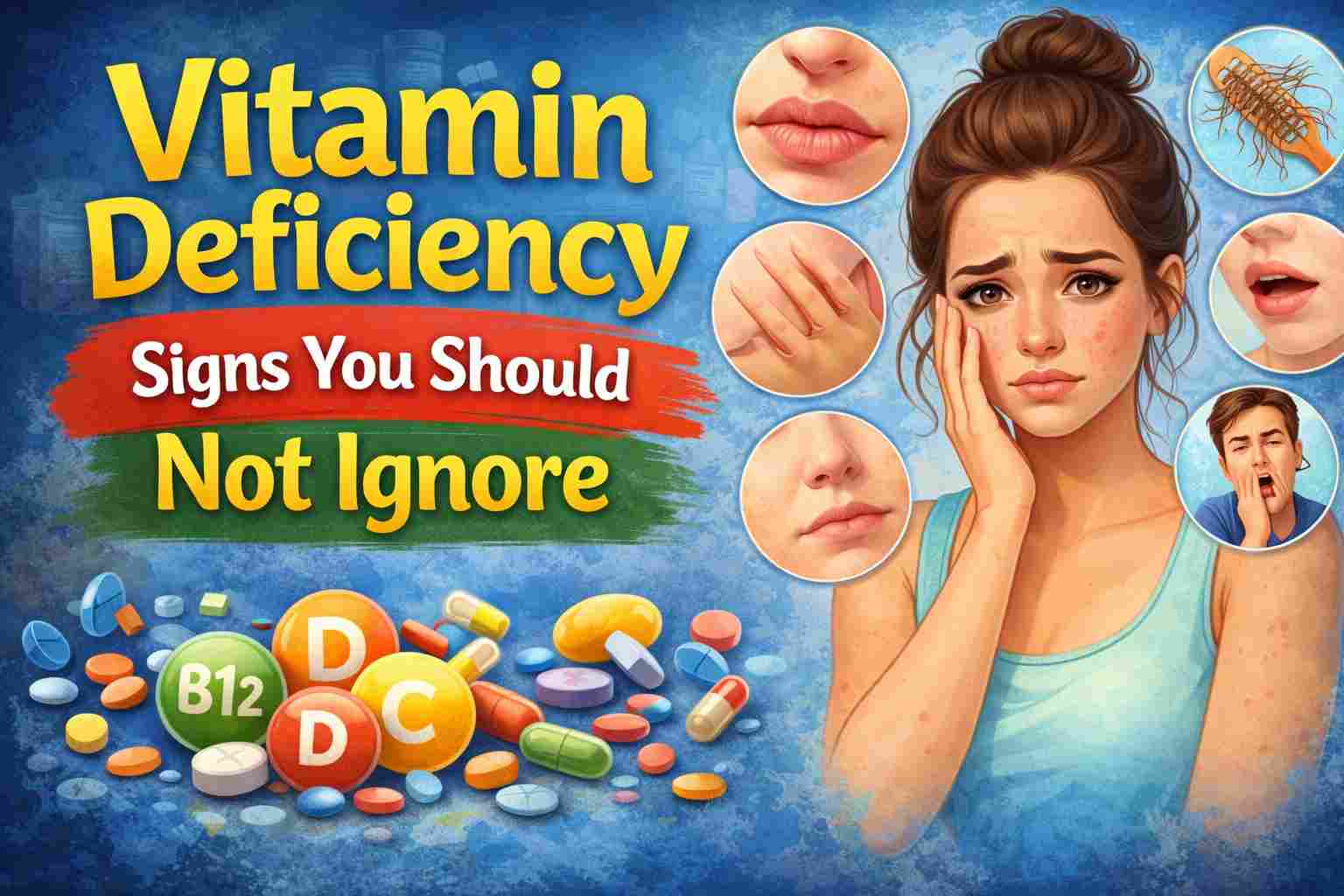
Warning: Your Body Is Sending You SOS Signals Every Day — And Most Indians Are Completely Missing Them
"She Was Tired All the Time, Losing Hair by the Handful, and Crying for No Reason. Her Doctor Found the Answer in a Simple Blood Test."
Sound like someone you know?
Maybe it sounds like you.
You're sleeping 8 hours and waking up exhausted. Your hair is clogging the shower drain. Your bones ache like you're 60 when you're 30. You forget things mid-sentence. Your skin looks dull no matter what you apply on it.
You've blamed stress. You've blamed the weather. You've blamed "getting older."
But here's the hidden truth that millions of Indians are missing every single day — your body might be dangerously deficient in vitamins and minerals that it desperately needs to function.
And the most dangerous part? These vitamin deficiency signs you should not ignore are so common in India that most people have simply normalized them.
That ends today.
What Is Actually Happening Inside Your Body?
India has a serious, silent nutrition crisis.
Studies suggest that over 70% of Indians are Vitamin D deficient. B12 deficiency is rampant, especially among vegetarians. Iron deficiency anaemia affects nearly 50% of Indian women. Vitamin C, magnesium, zinc, and folate deficiencies are widespread across all age groups.
And yet — most people have no idea.
Why? Because vitamin deficiency signs you should not ignore don't arrive dramatically. They creep in slowly, quietly, disguising themselves as everyday tiredness, mood swings, or "just aging."
Your body is a brilliantly designed machine. When it's running low on critical nutrients, it starts sending signals — small, persistent, easy-to-dismiss signals.
The problem is we've been taught to push through those signals instead of listening to them.
That needs to change right now.
Why This Is More Dangerous Than You Think
Here's what nobody is telling you openly.
Vitamin deficiencies left unaddressed don't just make you feel tired. They silently damage your nervous system, weaken your heart, destroy your bone density, crash your immune system, and wreck your mental health.
Chronic Vitamin D deficiency is linked to increased risk of diabetes, autoimmune disorders, and even certain cancers. Severe B12 deficiency can cause irreversible nerve damage. Iron deficiency doesn't just make you pale — it impairs your brain function, your child's development, and your heart's ability to work efficiently.
These are not small inconveniences. These are dangerous, long-term health consequences hiding behind symptoms you're currently calling "normal."
The warning signs your body is showing you right now deserve your full attention. Because the longer you ignore them, the harder they become to reverse.
Vitamin Deficiency Signs You Should Not Ignore — The Complete Warning List
This is the section you need to read carefully. Go through each one honestly.
Constant Fatigue and Low Energy Not the kind of tired that sleep fixes. The kind that follows you all day, every day. This is one of the most common vitamin deficiency signs you should not ignore — particularly linked to low B12, iron, Vitamin D, and magnesium.
Hair Thinning and Excessive Hair Fall Losing more than 100 strands a day, bald patches, or noticeably thinning hair is a proven warning sign of iron, biotin, zinc, or Vitamin D deficiency. This is especially common in Indian women after 25.
Pale or Yellowish Skin Your skin color changes when your blood is struggling. Pallor is a classic iron deficiency sign. A slightly yellow tint can signal B12 deficiency affecting red blood cell production.
Bone and Joint Pain Aching bones, especially in your legs, lower back, or hips? This is one of the most overlooked vitamin deficiency signs you should not ignore. Vitamin D is essential for calcium absorption — without it, your bones quietly weaken.
Frequent Illness and Slow Recovery Getting sick repeatedly? Taking weeks to recover from a simple cold? Your immune system runs on Vitamin C, Vitamin D, zinc, and iron. Deficiency in any of these leaves your body's defenses dangerously compromised.
Numbness, Tingling, or "Pins and Needles" This is a must-know warning sign. Numbness or tingling in hands, feet, or face is a serious indicator of B12 deficiency affecting your nervous system. Do not dismiss this.
Mood Swings, Anxiety, and Unexplained Depression Here's a secret most people don't know — your mental health is directly connected to your nutritional status. Low Vitamin D, B12, magnesium, and omega-3s are all strongly associated with depression, anxiety, and mood instability.
Cracks at the Corners of Your Mouth Those painful little splits at the corners of your lips are called angular cheilitis — a hidden sign of B2, B3, B6, iron, or zinc deficiency. Most people treat it with lip balm for years without ever addressing the real cause.
Slow-Healing Wounds If small cuts or bruises are taking unusually long to heal, your body may be critically low on Vitamin C and zinc — both essential for tissue repair and collagen formation.
Brittle Nails with Ridges or White Spots Your nails are a direct window into your nutritional health. Ridges often indicate iron or B12 deficiency. White spots can signal zinc deficiency. Soft, brittle nails point to biotin or calcium issues.
Vision Problems, Especially at Night Difficulty seeing in low light or at night is a proven warning sign of Vitamin A deficiency — still surprisingly common in parts of India, especially in children and women.
Muscle Cramps and Spasms Waking up with leg cramps at night? Frequent muscle spasms? This is your body screaming for magnesium, calcium, and potassium — all critically underconsumed in the average Indian diet.
Simple Solutions You Can Start at Home Today
The good news? Most vitamin deficiencies can be significantly improved through smart, consistent dietary choices. And for Indian kitchens, the solutions are already around you.
Get 20–30 minutes of morning sunlight daily. This is the most powerful, free Vitamin D source available to you. Between 7–9 AM, direct sunlight on your arms and legs triggers Vitamin D synthesis. Most Indians get almost none of this despite living in a sun-rich country.
Add eggs to your diet if possible. Eggs are one of the most complete nutritional packages available — containing B12, Vitamin D, iron, zinc, and biotin all in one affordable food.
Eat dal and leafy greens every single day. Palak, methi, moringa, and bathua are iron and folate powerhouses. Paired with a Vitamin C source like lemon or amla, iron absorption improves dramatically.
Soak and sprout your grains and legumes. This reduces anti-nutrients like phytic acid that block mineral absorption — a game-changing habit for vegetarians managing vitamin deficiency signs you should not ignore.
Eat amla or citrus daily for Vitamin C. One amla has 20 times more Vitamin C than an orange. It's cheap, available everywhere, and transforms your immunity, skin, and iron absorption.
What Doctors Actually Recommend
Medical professionals who treat nutritional deficiencies in India consistently emphasize a few critical points.
Get a comprehensive blood test at least once a year. Request testing for Vitamin D, B12, iron (ferritin), folate, and thyroid function. These are the most commonly deficient markers in Indian adults and form the foundation of identifying vitamin deficiency signs you should not ignore.
Doctors also stress that supplementation should always follow testing — not guesswork. Over-supplementing fat-soluble vitamins like A, D, E, and K can be harmful. Always work with a qualified healthcare professional before starting any supplement protocol.
For vegetarians and vegans, B12 supplementation is almost universally recommended by physicians since this vitamin is found almost exclusively in animal products. Do not wait for symptoms to become severe before addressing this.
Foods to Eat vs Foods to Avoid for Vitamin Deficiency
| EAT MORE OF THESE | REDUCE OR AVOID |
|---|---|
| Eggs, chicken, fatty fish | Excess tea/coffee with meals (blocks iron absorption) |
| Palak, methi, moringa, bathua | Processed packaged snacks (nutrient-empty) |
| Amla, lemon, guava (Vitamin C) | Refined flour (maida) products |
| Dal, rajma, chana, moong | Alcohol (depletes B vitamins and zinc) |
| Milk, paneer, curd (calcium + B12) | Carbonated drinks (leach calcium from bones) |
| Nuts and seeds (almonds, flaxseeds, pumpkin seeds) | Excess sugar (depletes magnesium and B vitamins) |
| Sunflower seeds, sesame (calcium, zinc) | Highly processed "fortified" junk cereals |
| Liver (if non-vegetarian) — iron + B12 powerhouse | Smoking (destroys Vitamin C rapidly) |
| Sweet potato, carrot (Vitamin A) | Excessive raw spinach (oxalates block calcium) |
| Fortified plant milks (B12, D) | Skipping meals regularly |
The Biggest Mistakes Indians Make With Vitamin Deficiencies
These mistakes are costing people years of unnecessary suffering.
Mistake #1: Assuming a vegetarian diet covers all nutritional needs. A thoughtfully planned vegetarian diet can be very healthy — but it requires deliberate effort. B12, iron, zinc, and Vitamin D are genuinely harder to get from plant foods alone. Ignoring this is one of the most dangerous nutritional mistakes in India.
Mistake #2: Drinking chai immediately after meals. This is one of the most widespread hidden habits destroying iron absorption in India. Tannins in tea block non-heme iron absorption by up to 60%. Wait at least one hour after meals before having chai.
Mistake #3: Staying indoors all day. India has sunshine 300+ days a year. And yet, with desk jobs, AC offices, and covered clothing — millions of Indians are severely Vitamin D deficient. You are literally sitting on a solution and not using it.
Mistake #4: Self-medicating with random supplements. Buying a multivitamin from a medical store without testing is often wasteful and sometimes harmful. Some supplements compete for absorption. Some are in forms your body can barely use. Always test, then supplement with guidance.
Mistake #5: Treating symptoms instead of root causes. Applying castor oil for hair fall, buying expensive creams for dull skin, or taking pain killers for bone ache — while the real culprit (a vitamin deficiency) continues untreated. Address the root. The symptoms will follow.
Mistake #6: Thinking "I eat well, so I can't be deficient." This is the most dangerous assumption. Cooking destroys a significant portion of heat-sensitive vitamins. Poor gut health prevents absorption. High stress depletes B vitamins rapidly. Even people who "eat well" can be seriously deficient.
7-Day Action Plan to Start Reversing Vitamin Deficiency
Day 1 — Assessment Day Book a blood test for Vitamin D, B12, ferritin (iron stores), folate, and calcium. Write down every symptom from the list above that applies to you. Awareness is step one.
Day 2 — Sun + Amla Day Step outside for 25 minutes of morning sunlight between 7–9 AM. Add one fresh amla or a glass of amla juice to your morning routine. This begins boosting both Vitamin D and C simultaneously.
Day 3 — Protein + Iron Day Add a protein and iron-rich meal today. Dal palak with a squeeze of lemon, eggs with spinach, or rajma with salad. Pair every iron-rich food with Vitamin C to maximize absorption.
Day 4 — Cut the Blockers Day Remove tea and coffee for at least one hour after meals. Reduce packaged snacks completely. Drink 2.5–3 litres of water. Notice how different your energy feels by evening.
Day 5 — Nuts, Seeds and Greens Day Add a small handful of mixed nuts and seeds (almonds, walnuts, pumpkin seeds, flaxseeds) as a mid-morning snack. Include a leafy green sabzi at lunch and dinner.
Day 6 — Gut Health Day Your gut absorbs your vitamins — if it's inflamed or unhealthy, even the best diet won't help. Add curd or homemade probiotic-rich buttermilk today. Reduce sugar and processed food for this entire day.
Day 7 — Review and Commit Day Review your symptoms. Have any already shifted slightly? Energy, mood, sleep? Use today to plan next week's meals using the food table above. Commit to this as a lifestyle, not a week-long experiment.
5 SEO-Optimized FAQs
Q1. What are the most common vitamin deficiency signs you should not ignore in India? The most common signs include persistent fatigue, excessive hair fall, bone pain, frequent illness, mood swings, pale skin, numbness in hands or feet, brittle nails, and slow wound healing. These vitamin deficiency signs you should not ignore are especially prevalent among Indian vegetarians, women, and urban professionals with limited sun exposure.
Q2. How do I know if I have a vitamin deficiency without a doctor? Your body gives consistent signals — chronic tiredness, hair thinning, mood changes, bone aches, and skin changes are all potential indicators. However, the only reliable way to confirm which deficiency you have is through a blood test. Recognizing vitamin deficiency signs you should not ignore is the first step — but professional testing is essential for accurate diagnosis.
Q3. Which vitamin deficiency is most common in India? Vitamin D, B12, and iron deficiency are the three most widespread nutritional deficiencies in India. Vitamin D deficiency affects over 70% of Indians despite abundant sunshine. B12 deficiency is especially common among vegetarians. Iron deficiency disproportionately affects women and children.
Q4. Can vitamin deficiency cause anxiety and depression? Yes. Research strongly associates low Vitamin D, B12, magnesium, and folate with increased risk of depression, anxiety, and cognitive decline. If you're experiencing unexplained mood issues, these are critical vitamin deficiency signs you should not ignore and warrant testing.
Q5. How long does it take to recover from vitamin deficiency? Recovery time depends on the severity and the specific deficiency. Mild deficiencies may show improvement in 4–6 weeks with dietary changes and supplementation. Severe deficiencies — particularly B12 and Vitamin D — may take 3–6 months of consistent treatment. Some neurological symptoms from B12 deficiency may take longer to resolve.
Your Body Has Been Asking for Help. Will You Finally Listen?
Every symptom on that list above is a message. Not a coincidence. Not "just stress." Not "getting older."
It's your body waving a red flag, asking you to pay attention.
The vitamin deficiency signs you should not ignore are real, they are serious, and they are reversible — but only if you act before the damage compounds any further.
You don't need to overhaul your life overnight. You need one blood test, a few smart food swaps, twenty minutes of morning sunlight, and the decision to take your health seriously.
Because here's what nobody says enough: you cannot pour from an empty cup. Your family needs you well. Your work needs you sharp. Your life deserves you at full strength.
Start today. Get tested. Eat better. Step into the sunlight.
Before fatigue becomes chronic illness. Before "a little bone pain" becomes fractures. Before "I'm just stressed" becomes something you can no longer reverse.
Start today — before it's too late.
For more science-backed health and wellness content created for Indian readers, visit Adziohub.com
Disclaimer: This article is for informational and educational purposes only. It does not constitute medical advice, diagnosis, or treatment. Please consult a qualified healthcare professional for personalized guidance.