Feeling tired all the time?
Getting out of bed feels harder than it used to.
You may feel short of breath after climbing a few stairs. Maybe your hands tingle now and then. Or your hair seems to be falling more than usual.
Many people think these symptoms automatically mean low iron.
Sometimes they do.
Sometimes they don't.
Vitamin B12 deficiency can cause many of the same problems, which is why people often confuse the two. The good news is that both conditions can usually be identified with proper medical evaluation and blood tests.
At Yes Clinicc n Diagnosticc, doctors often see patients who assume they need iron supplements, only to discover that the real issue is a Vitamin B12 deficiency. The opposite can happen too.
Knowing the difference can help you seek the right treatment instead of guessing.
What is iron deficiency?
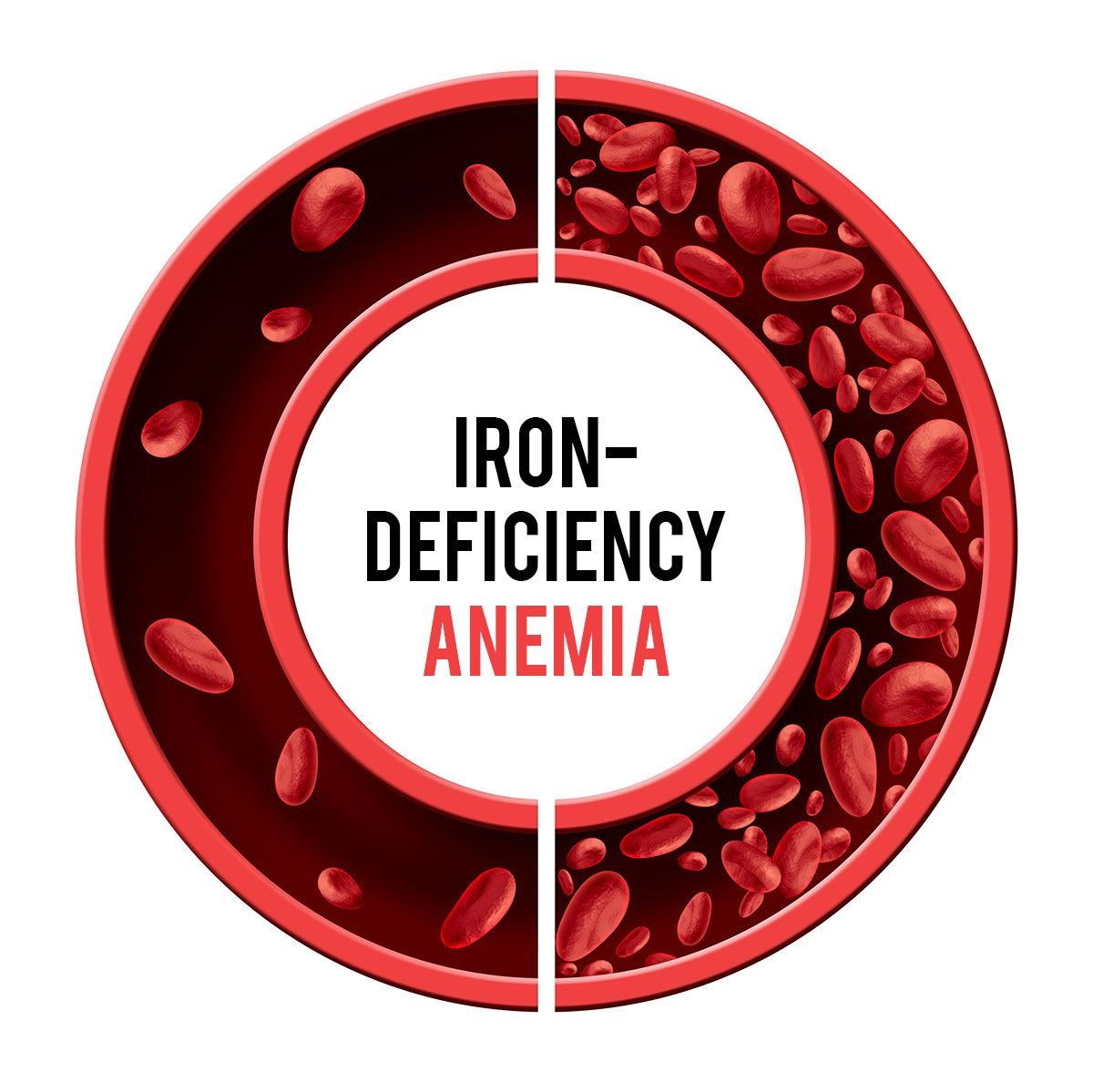
Iron is a mineral your body needs to make haemoglobin.
Haemoglobin is the protein inside red blood cells that carries oxygen throughout your body.
When your body doesn't have enough iron, it cannot produce enough healthy red blood cells.
This may lead to iron deficiency anaemia if left untreated.
Common causes include:
- Heavy menstrual bleeding
- Pregnancy
- Poor dietary iron intake
- Blood loss from the stomach or intestines
- Frequent blood donation
- Poor iron absorption due to digestive disorders
Iron deficiency is one of the most common nutritional deficiencies worldwide.
What is Vitamin B12 deficiency?
Vitamin B12 helps your body produce healthy red blood cells.
It also supports your brain and nervous system.
Unlike iron, Vitamin B12 has an important role in nerve function.
When Vitamin B12 levels become low, your body may struggle to produce healthy blood cells and maintain healthy nerves.
Common causes include:
- Vegetarian or vegan diets without adequate B12 sources
- Poor absorption due to stomach or intestinal conditions
- Certain medications
- Increasing age
- Autoimmune conditions such as pernicious anaemia
Many people develop Vitamin B12 deficiency slowly.
Symptoms may appear gradually over months or even years.
Iron deficiency vs Vitamin B12 deficiency: Why do they seem so similar?
Both conditions reduce your body's ability to produce healthy red blood cells.
That means both can cause symptoms related to reduced oxygen delivery.
Some shared symptoms include:
- Fatigue
- Weakness
- Low energy
- Pale skin
- Dizziness
- Shortness of breath
- Difficulty concentrating
- Headaches
This overlap makes self-diagnosis difficult.
Blood tests are usually needed to identify the real cause.
Symptoms more commonly seen with iron deficiency
Iron deficiency often causes symptoms related to reduced oxygen supply.
You may notice:
- Hair fall
- Brittle nails
- Craving ice, मिट्टी, or chalk (pica)
- Cold hands and feet
- Rapid heartbeat
- Poor exercise tolerance
Some people also develop restless legs syndrome.
Not everyone experiences the same symptoms.
Symptoms more commonly seen with Vitamin B12 deficiency
Vitamin B12 deficiency often affects the nervous system.
This is one of the biggest differences.
Symptoms may include:
- Tingling in the hands and feet
- Numbness
- Difficulty walking
- Poor balance
- Memory problems
- Mood changes
- Confusion
- Burning sensation in the tongue
If left untreated for a long time, nerve damage may become difficult to reverse.
That is one reason why early diagnosis matters.
What causes iron deficiency?
Iron deficiency develops when your body loses more iron than it absorbs.
Common reasons include:
- Heavy menstrual periods
- Pregnancy
- Low iron intake
- Stomach ulcers
- Internal bleeding
- Colon disorders
- Frequent blood donation
- Digestive diseases affecting absorption
Adults with unexplained iron deficiency may need further medical evaluation to identify the underlying cause.
What causes Vitamin B12 deficiency?
Vitamin B12 deficiency develops differently.
Common causes include:
- Low intake of animal-based foods
- Pernicious anaemia
- Crohn's disease
- Coeliac disease
- Previous stomach surgery
- Long-term use of certain acid-reducing medicines
- Metformin use in some individuals
Older adults are also at increased risk because Vitamin B12 absorption becomes less efficient with age.
Can you have both deficiencies together?
Yes.
It happens more often than many people realise.
Someone with poor nutrition, digestive disorders, chronic illness, or long-term dietary restrictions may have both iron and Vitamin B12 deficiency at the same time.
That is another reason why taking supplements without testing may not solve the problem.
How doctors diagnose the difference
Your doctor will begin by asking about your symptoms.
They may also ask about:
- Diet
- Medical history
- Medications
- Menstrual history
- Family history
- Previous illnesses
Blood tests usually help identify the cause.
These may include:
- Complete Blood Count (CBC)
- Serum ferritin
- Serum iron studies
- Vitamin B12 level
- Folate level
- Peripheral blood smear
- Additional investigations when needed
Sometimes further tests are recommended if an underlying medical condition is suspected.
How are iron deficiency and Vitamin B12 deficiency treated?
Treatment depends entirely on the cause.
Iron deficiency may be managed with:
- Iron-rich foods
- Oral iron supplements
- Intravenous iron in selected cases
- Treatment of the underlying cause of blood loss
Vitamin B12 deficiency may be treated with:
- Vitamin B12 tablets
- Vitamin B12 injections
- Dietary improvements
- Treatment of conditions affecting absorption
The right treatment depends on individual health needs and medical evaluation.
Iron-rich foods to include in your diet
If your doctor confirms iron deficiency, your diet may include foods such as:
- Lean meat
- Chicken
- Fish
- Liver
- Spinach
- Lentils
- Chickpeas
- Kidney beans
- Pumpkin seeds
- Jaggery in moderation
Vitamin C-rich foods such as oranges, guava, lemons, and amla may improve iron absorption when eaten with plant-based iron sources.
Vitamin B12-rich foods
Vitamin B12 is naturally found in animal foods.
Good sources include:
- Eggs
- Fish
- Chicken
- Meat
- Milk
- Curd
- Cheese
Vegetarians may benefit from fortified foods or supplements if recommended by their doctor.
Common myths people believe
Let's clear up a few common misunderstandings.
Myth: Feeling tired always means low iron.
Fact: Fatigue has many causes, including Vitamin B12 deficiency, thyroid disorders, diabetes, poor sleep, infections, and other medical conditions.
Myth: Taking iron tablets is harmless.
Fact: Iron supplements should only be taken after medical advice because excess iron can be harmful.
Myth: Vitamin B12 deficiency affects only vegetarians.
Fact: Non-vegetarians can also develop Vitamin B12 deficiency due to poor absorption or certain medical conditions.
Myth: A healthy diet guarantees you won't develop deficiencies.
Fact: Absorption problems can still lead to deficiencies even with a balanced diet.
When should you see a doctor?
Don't ignore symptoms that continue for several weeks.
You should seek medical advice if you experience:
- Constant tiredness
- Pale skin
- Hair loss
- Frequent dizziness
- Tingling in hands or feet
- Memory problems
- Shortness of breath
- Unexplained weakness
- Difficulty walking
- Frequent headaches
Finding the cause early often leads to better outcomes.
How Yes Clinic n Diagnosticc helps patients
At Yes Clinic n Diagnosticc, patients with symptoms such as fatigue, weakness, dizziness, or suspected nutritional deficiencies receive a detailed medical evaluation before treatment begins.
The approach includes:
- A complete medical history
- Physical examination
- Blood investigations when required
- Accurate diagnosis
- Individualised treatment based on the underlying cause
- Follow-up to monitor recovery
Rather than treating symptoms alone, the focus is on identifying why those symptoms developed in the first place.
Why evidence-based care matters
Health advice is everywhere.
Social media videos, online forums, and quick internet searches often recommend supplements without understanding the actual problem.
That approach can delay the right diagnosis.
The principles of Experience, Expertise, Authoritativeness, and Trustworthiness, commonly known as EEAT, are especially important when discussing medical conditions. Reliable healthcare decisions should always be based on qualified medical evaluation, appropriate laboratory testing, current scientific evidence, and individual health needs.
Iron deficiency and Vitamin B12 deficiency may look similar on the surface, but they are not the same condition.
The treatment, the cause, and the long-term effects can be quite different.
If you have ongoing fatigue, weakness, numbness, or other concerning symptoms, don't rely on guesswork.
A proper medical assessment can help identify the real cause and guide the treatment that is right for you.
Views: 24 · 30s+ reads: 0