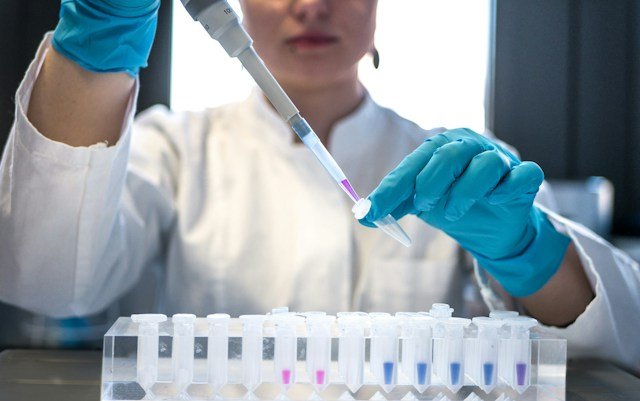
Australia’s healthcare and life sciences sectors are increasingly relying on efficient laboratory operations to support diagnostic testing, scientific research, and clinical decision-making. Laboratory automation helps streamline repetitive processes, improve consistency, and manage growing workloads through technologies such as automated sample handling, robotic systems, laboratory information management software, and integrated analytical instruments. As hospitals and diagnostic laboratories seek to strengthen operational efficiency and testing workflows, automation is becoming an important consideration in laboratory modernization.
A comprehensive market assessment by Markntel Advisor reveals that the Australia Lab Automation Market is valued at USD 121 million in 2026 and is projected to reach USD 175 million by 2032, registering a CAGR of 6.34% during 2026–2032. The Australia Lab Automation Market Research Report explores industry trends, growth drivers, and emerging opportunities. Hospitals and diagnostic laboratories represent the leading end-user segment, reflecting the importance of laboratory automation in clinical testing, sample processing, and diagnostic workflows.
Rising Diagnostic Needs Encourage Automation
Hospitals and diagnostic laboratories handle multiple processes, including sample preparation, testing, result management, and quality control. As testing requirements vary across clinical departments and patient populations, laboratories need workflows that support reliable processing and timely access to results. Automation can help manage repetitive tasks and improve the consistency of procedures when systems are appropriately selected and maintained.
Automated sample preparation, liquid handling, barcode-based identification, and robotic transport can reduce manual intervention in selected laboratory processes. These capabilities may help laboratories manage workloads more efficiently while allowing qualified personnel to focus on tasks that require technical expertise, interpretation, and quality oversight.
Automation does not remove the need for trained laboratory professionals. Instead, it can change how staff allocate their time, making training, system validation, and clear operating procedures essential parts of implementation.
Data Integration Strengthens Laboratory Operations
Laboratory automation delivers greater value when equipment and software can exchange information reliably. Integrating analytical instruments with laboratory information management systems can help track samples, record results, manage workflows, and maintain traceability. These capabilities are particularly relevant to laboratories processing high volumes of samples across multiple testing areas.
Australia’s diagnostic services form a significant part of the healthcare system. According to the Australian Institute of Health and Welfare, pathology testing supports the assessment, diagnosis, and monitoring of illnesses and injuries. Automation can help laboratories manage selected repetitive tasks and maintain consistent workflows as service requirements evolve.
Interoperability also matters when laboratory systems need to share information with hospital platforms and other authorized healthcare services. The Australian Digital Health Agency’s interoperability initiatives highlight the importance of connected systems and consistent information exchange. For laboratories, compatible technologies can support more efficient data handling, although successful integration requires careful planning and technical oversight. These capabilities may help laboratories manage workloads more efficiently while allowing qualified personnel to focus on tasks that require technical expertise, interpretation, and quality oversight.
Quality Control and Workforce Readiness Remain Priorities
Laboratory automation must operate alongside robust quality assurance, equipment maintenance, and staff competency processes. Automated systems require validation, calibration where applicable, routine monitoring, and clear procedures for managing errors or unexpected results. Laboratories must also ensure that personnel understand how to operate equipment and respond when workflows need intervention.
The Australian Commission on Safety and Quality in Health Care outlines national requirements through its Pathology Standards. These standards provide a regulatory and quality framework for pathology services, including requirements relevant to clinical governance, testing, and information communication.
For laboratories considering automation, investment decisions may therefore involve more than equipment costs. Organizations need to assess compatibility with existing processes, staff training needs, maintenance arrangements, data security, and the long-term costs of ownership. A phased implementation strategy can help teams evaluate system performance and manage operational changes.
Opportunities for Technology Providers
Australia’s laboratory automation sector presents opportunities for equipment manufacturers, software developers, robotics providers, laboratory integrators, and diagnostic service organizations. Solutions involving automated sample handling, analytical instrumentation, workflow management, and laboratory data integration may be considered by hospitals and diagnostic laboratories seeking to modernize operations.The Australian Commission on Safety and Quality in Health Care outlines national requirements through its Pathology Standards.
Providers can strengthen their offerings by demonstrating dependable performance, practical integration capabilities, technical support, and alignment with laboratory quality requirements. Partnerships between technology suppliers and healthcare organizations can help tailor automation solutions to specific testing environments. At the same time, laboratories must evaluate new systems according to their operational needs rather than assuming that every process benefits equally from automation.
Outlook
Australia’s laboratory automation sector is projected to grow from USD 121 million in 2026 to USD 175 million by 2032, registering a CAGR of 6.34%. Hospitals and diagnostic laboratories remain the leading end-user segment, reflecting the role of automation in supporting sample processing, testing workflows, and laboratory information management. Continued attention to quality assurance, system integration, workforce readiness, and operational efficiency will shape adoption decisions as laboratories modernize their capabilities throughout the forecast period.Australia’s laboratory automation sector presents opportunities for equipment manufacturers, software developers, robotics providers, laboratory integrators, and diagnostic service organizations.
Views: 7 · 30s+ reads: 1