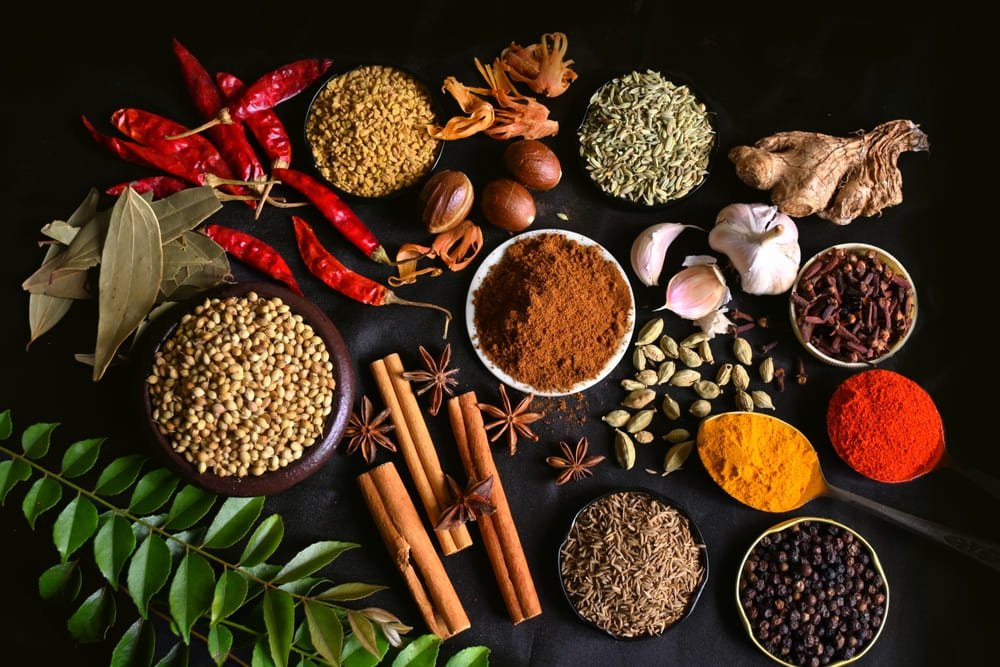
A sprinkle of garam masala over roasted vegetables. A little chaat masala on crispy fries. Turmeric stirred into a creamy pasta sauce that needs something warmer than black pepper. These combinations might once have seemed unconventional, but today's home cooks are increasingly willing to mix culinary traditions and see what happens.
Global fusion food is not simply about combining ingredients from different countries. It is about finding flavors that work together, then making them your own. Indian spices are particularly suited to this kind of cooking because they offer different layers of warmth, earthiness, sweetness, heat, and aroma.
Shopping for Indian spices online makes experimenting with these combinations easier. You can stock up on familiar essentials, try less frequently used seasonings, and plan meals around flavors rather than following a recipe word for word. The best part? You do not need restaurant-level skills to bring global food trends into your kitchen.
Why Indian Spices Fit So Well into Global Fusion Cooking
Indian spices can transform a dish without requiring an entirely new cooking method. Cumin brings an earthy note, coriander adds citrusy warmth, turmeric contributes color and depth, and chili powder introduces heat. Garam masala can give a finished dish a rounded, aromatic character.
These qualities pair naturally with ingredients used in cuisines around the world, including cheese, roasted vegetables, beans, noodles, seafood, and grilled meats.
Fusion cooking works best when each ingredient has a purpose. Adding five spices to a dish simply because they are available can overwhelm the original flavors. Instead, start with one or two seasonings, taste as you go, and build from there.
1. Masala Tacos: A Fresh Take on a Street-Food Favorite
Tacos are easy to customize, making them a natural starting point for fusion cooking. Instead of a conventional filling, try spiced paneer, roasted cauliflower, or chickpeas seasoned with cumin, coriander, chili powder, and a little garam masala.
Cook the filling until the spices smell fragrant and the ingredients develop some color. Spoon it into warm tortillas, then add shredded cabbage, chopped onions, cilantro, and a squeeze of lime.
A cooling yogurt sauce can balance the heat. If you prefer a stronger kick, add a little extra chili or finish with chaat masala.
Shopping tip: Keep cumin, coriander, and chili powder in your regular spice collection. These three ingredients can work across tacos, roasted vegetables, marinades, and quick skillet meals.
2. Masala Pasta Is Moving Beyond the Usual Tomato Sauce
Pasta is a weeknight staple in many homes, but its flavor does not have to stop at Italian-style herbs and cheese. A small amount of cumin, coriander, and turmeric can add warmth to a tomato-based sauce, while garam masala can create a deeper, more aromatic finish.
For a quick dinner, sauté garlic and onions, add chopped vegetables, and stir in your preferred pasta sauce. Introduce the spices gradually, allowing them to cook briefly before adding the liquid. Toss in cooked pasta and finish with cream or cheese if desired.
The trick is restraint. You want the spices to complement the sauce, not make every bite taste identical.
For a plant-based version, use roasted mushrooms, chickpeas, or spinach. These ingredients absorb the seasoning well and make the dish more substantial.
3. Spice-Rubbed Burgers and Grilled Sandwiches
Burgers offer plenty of room for experimentation. A little ground cumin, coriander, black pepper, and chili powder can add character to a meat or bean patty. For paneer burgers, a yogurt-based marinade with turmeric and garam masala creates a more distinctly Indian flavor.
Let the seasoning sit with the main ingredient for a short period before cooking. Then grill or pan-sear until the surface develops a flavorful crust.
Build the burger with lettuce, onions, tomatoes, and a sauce that complements the filling. A mint-yogurt spread works well with spiced paneer, while a smoky sauce can balance a more intensely seasoned patty.
You can use the same seasoning approach for grilled sandwiches, wraps, and vegetable patties. One small spice blend can cover several meals without making the menu feel repetitive.
4. Chili Oil, Noodles, and Indian Spice Blends
Noodle dishes are ideal for experimenting because they cook quickly and take on sauces readily. Cumin, chili, black pepper, and garlic can add warmth to stir-fried noodles, while a pinch of turmeric can give a sauce a different dimension.
Try sautéing garlic and vegetables, adding a small amount of chili seasoning, and tossing everything with cooked noodles and your preferred sauce. Finish with spring onions or sesame seeds for texture.
Start with modest quantities, particularly when combining chili powder with an already spicy sauce. Heat builds quickly, and it is easier to add more seasoning than to correct an overpowering dish.
This approach also works with rice noodles and vegetable stir-fries. The aim is not to recreate a traditional Indian curry but to introduce familiar spice notes into a different format.
Global Fusion Ideas at a Glance
Different spices serve different purposes, so it helps to know which ones are worth keeping within reach.
| Fusion dish | Indian spices to try | Flavor direction |
| Masala tacos | Cumin, coriander, chili powder | Earthy, warm, mildly spicy |
| Creamy pasta | Turmeric, garam masala | Warm, aromatic, rounded |
| Spiced burgers | Black pepper, cumin, coriander | Savory and robust |
| Stir-fried noodles | Chili powder, cumin, garlic | Bold and spicy |
| Roasted vegetables | Turmeric, cumin, chaat masala | Earthy with a tangy finish |
| Popcorn or fries | Chaat masala, chili powder | Tangy, salty, and punchy |
These combinations are starting points rather than fixed recipes. Adjust the amounts to suit the ingredients, the heat level you enjoy, and the preferences of the people you are cooking for.
How to Choose the Best Spices for Fusion Recipes
A well-stocked spice shelf does not need dozens of jars. A small collection of versatile seasonings can support a surprising number of dishes.
When comparing the best spices online, consider the type of cooking you do most often. If you enjoy quick meals, cumin, coriander, turmeric, chili powder, and garam masala provide a useful foundation. If you frequently prepare snacks and street-food-inspired dishes, chaat masala may be worth adding.
Read the product details carefully
Before purchasing, check the ingredient list, packaging condition, storage guidance, and any relevant quality or sourcing information. Whole spices and ground spices serve different purposes: whole cumin seeds can be toasted in oil for a more pronounced aroma, while ground cumin blends quickly into sauces and marinades.
Also consider how frequently you use each spice. Buying a large quantity may seem economical, but spices gradually lose their aroma after opening. Choose pack sizes that suit your cooking habits and store them in tightly sealed containers away from heat, moisture, and direct sunlight.
Build a versatile pantry
A practical starter collection could include:
- Cumin for curries, tacos, beans, and roasted vegetables.
- Coriander for marinades, sauces, and spice blends.
- Turmeric for warm, earthy notes and color.
- Chili powder for controlled heat.
- Garam masala for aromatic finishing touches.
- Chaat masala for snacks, fries, salads, and fruit.
When comparing the best spices online, look for clear product information and choose seasonings that fit your actual recipes rather than buying every available variety.
Make Fusion Cooking Easier with Smart Grocery Shopping
The easiest way to experiment with new flavors is to plan around ingredients you already use. If you buy vegetables for pasta, set some aside for a spiced stir-fry. If chickpeas are on the menu for curry, use another portion in tacos or a grain bowl.
This reduces food waste and makes trying new recipes less expensive.
Shopping for Indian spices online can also help you compare product details and restock pantry essentials without making a separate trip. Khazana offers grocery options for home cooks looking to bring familiar Indian ingredients into everyday meals.
Before placing an order, check quantities, ingredient details, and storage requirements. Keep a short pantry list, so you know which spices need replacing and which ones you already have.
One useful habit is to experiment with a single new combination each week. It might be cumin in a burger patty or chaat masala on roasted potatoes. Small changes are often easier to repeat than complicated recipes requiring many unfamiliar ingredients.
Conclusion
Global fusion cooking is about curiosity, balance, and making familiar ingredients work in new ways. Indian spices can bring depth to tacos, pasta, burgers, noodles, and roasted vegetables without requiring complicated preparation.
Shopping for Indian spices online makes it easier to keep your pantry stocked and experiment with new flavor combinations at home. Khazana can be part of your grocery routine as you replenish everyday seasonings and try different recipes.
When planning your next Indian grocery online order, choose versatile spices that complement your cooking habits and help you turn simple ingredients into exciting, flavor-packed meals.
Views: 9 · 30s+ reads: 3