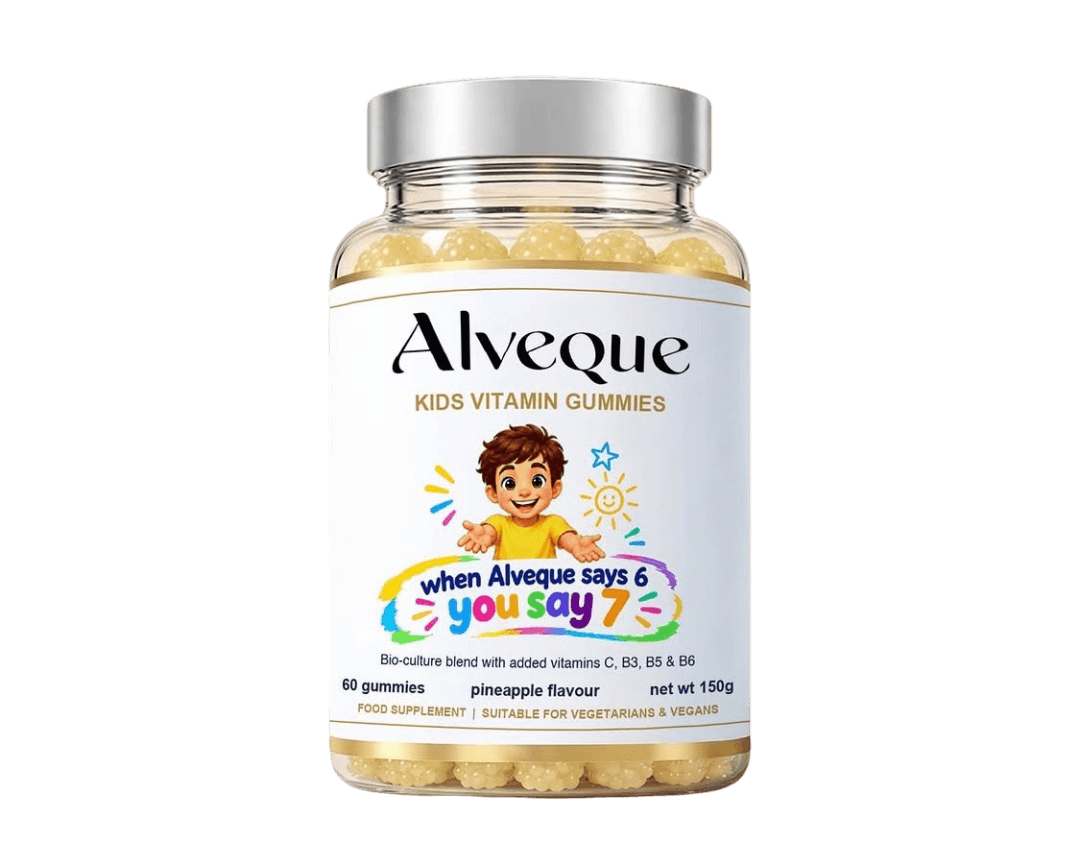
Choosing the right vitamins for children can be confusing, especially with so many supplements available in different formats, flavours, and combinations. Kids multivitamin gummies have become a popular option for parents who want a convenient supplement format that children may find easier to take. However, not every child needs a multivitamin, and the right choice depends on their age, diet, and individual nutritional requirements.
Understanding the ingredients, recommended serving sizes, and safety considerations can help parents make informed decisions.
Why Are Vitamins Important for Children?
Vitamins and minerals support several essential functions in a growing child's body. A varied, balanced diet is generally the best foundation for obtaining these nutrients, with supplements considered when appropriate.
Some important nutrients include:
- Vitamin D: Helps the body absorb calcium and supports normal bone development.
- Vitamin C: Supports normal immune function, collagen formation, and iron absorption.
- Vitamin A: Contributes to normal vision and immune system function.
- B vitamins: Help the body release energy from food and support other normal bodily processes.
Children's nutritional requirements change as they grow. Their needs may also differ depending on their eating habits, dietary restrictions, and health circumstances. Although vitamins for kids can be useful in certain situations, supplements should not replace a balanced diet or be given without considering whether they are needed.
What Are Kids Multivitamin Gummies?
Kids multivitamin gummies are chewable dietary supplements formulated to provide selected vitamins, and sometimes minerals, in a gummy format. They are available in different flavours and nutrient combinations, depending on the product.
Some parents prefer gummy vitamins because children may find their texture and taste more appealing than traditional tablets. However, gummies are not automatically better or more effective than liquids, tablets, or other supplement formats.
Before choosing a product, parents should consider several factors:
- The nutrients included and their amounts per serving.
- The manufacturer's recommended age range.
- Added sugars, sweeteners, colours, and flavourings.
- Allergens and other ingredients.
- Clear serving instructions and product labelling.
A child-friendly flavour may make a supplement easier to take, but the nutritional content and suitability for the individual child should remain the main priorities.
Key Ingredients Parents Should Check
Reading the ingredient list is an important step when selecting a children's multivitamin. Different products contain different combinations of nutrients, so comparing labels can help parents understand what they are buying.
Vitamin D
Vitamin D contributes to normal bone development and helps the body absorb calcium. UK public health guidance recommends vitamin D supplementation for certain groups, including specific guidance for babies and young children. Recommendations can depend on age, diet, and other circumstances, so parents should check current NHS guidance.
Some multivitamins contain vitamin D alongside other nutrients. Check the amount provided and consider whether the child already receives vitamin D from another supplement.
Vitamin C
Vitamin C supports normal immune function and helps the body absorb iron from plant-based foods. It is found naturally in foods such as oranges, strawberries, kiwi fruit, peppers, and broccoli.
Although vitamin C is included in many children's supplements, a child who eats a varied diet may already obtain sufficient amounts. Parents should consider dietary intake before choosing an additional supplement.
Vitamin A and B Vitamins
Vitamin A contributes to normal vision and immune function, while B vitamins support energy metabolism and other bodily processes. Some products also include minerals such as zinc or iron.
More nutrients do not necessarily mean a better supplement. The appropriate formulation depends on the child's requirements, and excessive intake of certain vitamins or minerals can be harmful.
Vitamin C Gummies: What Should Parents Know?
Vitamin C gummies provide vitamin C in a chewable format. They may appeal to children who dislike certain tablets, but parents should assess the nutritional information before choosing them.
Vitamin C is available from a range of everyday foods, including fruit and vegetables. A supplement may be unnecessary if a child already receives adequate amounts through their diet.
When comparing vitamin C gummies, consider the following:
- Vitamin C content: Check the amount in each recommended serving.
- Age suitability: Make sure the product is intended for the child's age group.
- Added ingredients: Review sugars, sweeteners, flavourings, and potential allergens.
- Existing supplements: Check whether another multivitamin already contains vitamin C.
- Serving instructions: Follow the label and avoid exceeding the recommended amount.
Vitamin C gummies should not be presented as a guaranteed way to prevent colds or infections. They are supplements, not a substitute for balanced nutrition and appropriate healthcare.
How to Choose the Right Gummy Vitamins for Children
Finding a suitable supplement involves more than choosing a flavour or attractive package. Parents can use the following checklist to compare options.
1. Check the Recommended Age
Always read the product's age guidance. A supplement designed for older children may not be appropriate for toddlers or younger children. Gummy products can also present a choking risk, particularly for children who are not ready to chew them safely.
2. Compare Nutrient Amounts
Look at the quantity of each vitamin and mineral per serving. Avoid assuming that a product containing more nutrients is necessarily more suitable. If your child has specific nutritional needs, seek advice from a qualified healthcare professional.
3. Review the Ingredient List
Some gummy vitamins contain added sugars, sweeteners, colours, or flavourings. Check the label for ingredients your child needs to avoid, including potential allergens. Clear nutritional information makes it easier to compare products fairly.
4. Avoid Overlapping Supplements
Giving a multivitamin alongside separate vitamin supplements can lead to unnecessary duplication. This is particularly important for vitamins A and D, which can accumulate in the body when consumed in excessive amounts.
Check all supplements your child takes and ask a healthcare professional if you are unsure whether they can be combined.
5. Consider Quality and Labelling
Choose products with clear ingredient information, serving instructions, manufacturer details, and appropriate quality-control information. Be cautious of exaggerated claims about immunity, growth, concentration, or disease prevention.
If a child follows a restricted diet, has a medical condition, takes medication, or may have a nutrient deficiency, professional advice can help determine whether supplementation is appropriate.
Children's Vitamins UK: Guidance for Parents
Parents researching children's vitamins UK options should consider current public health recommendations as well as the individual child's diet and circumstances.
In the UK, vitamin D guidance is particularly relevant because vitamin D supports bone health and is difficult to obtain in sufficient amounts from food alone for some people. NHS guidance provides recommendations for different age groups and circumstances, including babies and young children.
Parents should consult the latest NHS advice or speak with a healthcare professional to understand which supplements may be appropriate for their child. Recommendations can vary according to age, feeding practices, diet, and other factors.
It is also important to check whether a multivitamin contains vitamins A and D before combining it with another supplement. Product labels should be read carefully to prevent unnecessary duplication.
Safety Tips for Giving Vitamins to Children
Even when supplements are designed for children, safe use is essential. Follow these practical precautions:
- Follow the manufacturer's age-specific serving instructions.
- Never give more than the recommended amount unless advised by a qualified healthcare professional.
- Store supplements securely and out of children's reach.
- Explain that gummy vitamins are supplements, not sweets.
- Check the ingredients before combining different supplements.
- Seek professional advice if you have concerns about your child's diet or nutritional needs.
Excessive intake of certain nutrients, particularly fat-soluble vitamins such as vitamins A and D, can cause harm. If a child takes more than the recommended amount, contact NHS 111 or an appropriate urgent medical service for advice. Seek emergency assistance if the child develops severe symptoms.
Frequently Asked Questions
1. Do all children need multivitamin gummies?
No. Not every child needs a multivitamin. Many children can obtain the nutrients they need through a varied, balanced diet. Supplement requirements depend on age, dietary intake, and individual circumstances, so parents should follow relevant public health guidance.
2. Are gummy vitamins suitable for toddlers?
Not all gummy vitamins are suitable for toddlers. Parents should check the product's minimum age and consider the child's ability to chew safely, as gummies may pose a choking risk. Ask a healthcare professional about suitable supplement formats for young children.
3. Can children take vitamin C gummies every day?
Daily use depends on the child's nutritional needs, the product's recommended serving, and vitamin C intake from other sources. Check whether the child already receives vitamin C through food or another supplement, and seek professional advice if you are unsure.
4. What should parents look for in children's vitamins in the UK?
Parents should check age suitability, nutrient amounts, ingredients, serving instructions, and current UK public health guidance. It is also important to avoid unnecessary duplication with other supplements and to seek professional advice when a child has specific nutritional needs.
5. Can kids multivitamin gummies replace a healthy diet?
No. Multivitamin gummies cannot replace a varied, balanced diet. Children need a range of nutrients from foods such as fruit, vegetables, whole grains, dairy products or suitable alternatives, and protein-rich foods. Supplements should only complement dietary intake when appropriate.
Conclusion
Choosing kids multivitamin gummies requires careful attention to age suitability, nutrient content, ingredient transparency, and safe storage. While gummy vitamins may offer a convenient format, they are not necessary for every child and should never replace balanced meals. Parents should consider their child's individual needs and seek professional guidance when necessary. For those exploring children's nutrition and supplement options, Alveque provides a place to discover available products and learn more about nutritional choices.
Views: 4 · 30s+ reads: 0