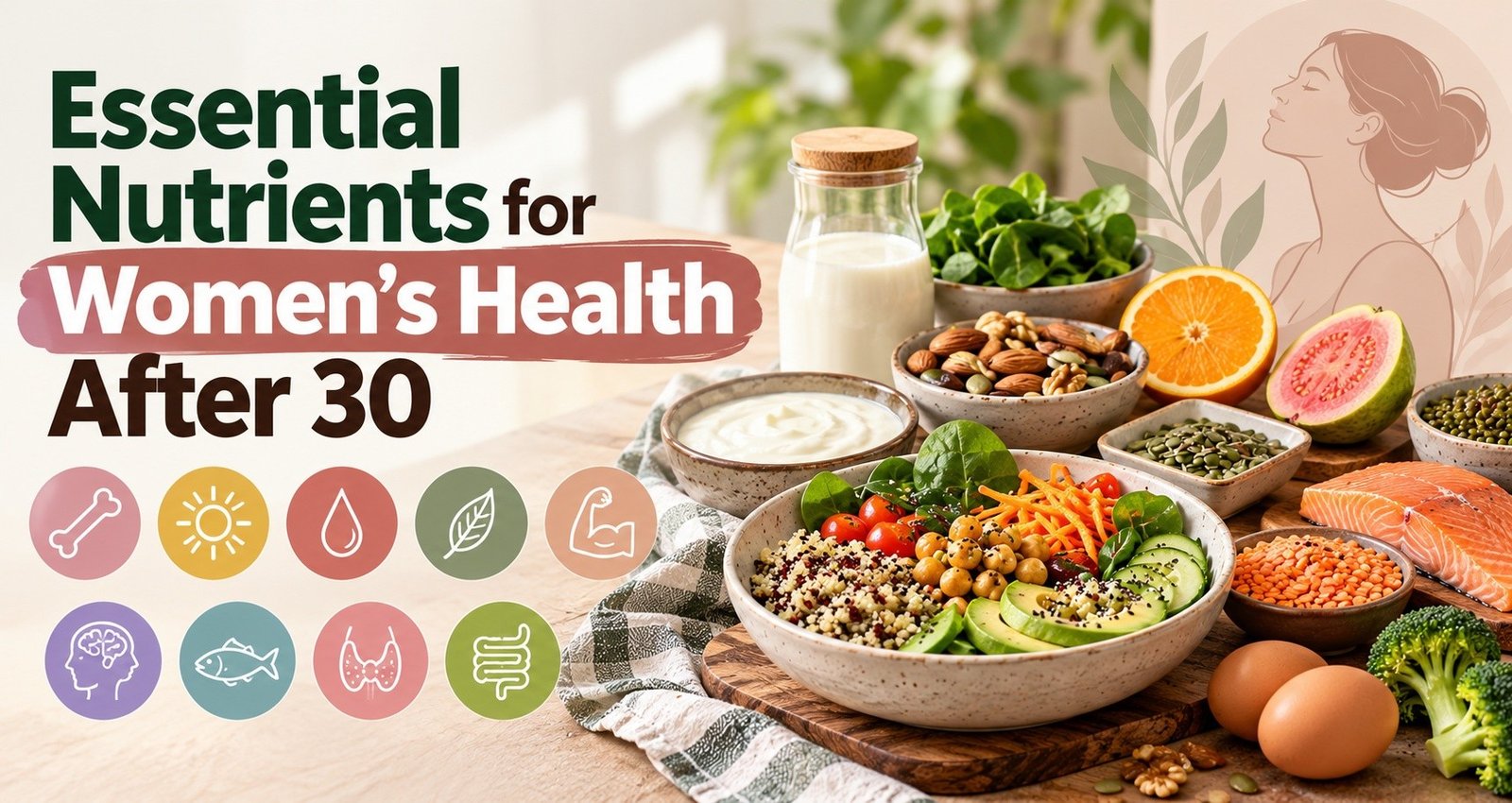
Turning 30 doesn't mean your body suddenly needs a completely different diet. But it can be a good time to pay more attention to what you eat.
Between work, family responsibilities, changing routines and everyday stress, meals can become an afterthought. You might skip breakfast, rely on tea to get through the afternoon or realise at dinner that you haven't eaten enough vegetables all day.
Over time, these habits can make it harder to meet your nutritional needs.
Women need a range of nutrients to support bone health, muscle function, hormone production, blood formation and overall wellbeing. Some deserve extra attention, especially if you have heavy periods, are planning a pregnancy, follow a vegetarian diet or have a health condition that affects nutrient absorption.
The good news is that you can get many essential nutrients from everyday Indian foods. You don't need an expensive supplement routine or a complicated diet plan.
Let's look at nine nutrients worth paying attention to after 30, where to find them and how to include them in your daily meals.
Why Does Nutrition Matter for Women After 30?
Your nutritional needs depend on your age, activity level, health, menstrual cycle, pregnancy status and eating habits. There isn't one diet that works for every woman.
Still, a few areas deserve attention.
- Bone health, supported by calcium, vitamin D and adequate protein.
- Healthy blood formation, which depends on nutrients such as iron, folate and vitamin B12.
- Muscle maintenance, which requires enough protein and regular physical activity.
- Thyroid function, which depends partly on nutrients such as iodine and selenium.
- Digestive health, supported by fibre, fluids and a varied diet.
You may not notice a nutritional deficiency straight away. Fatigue, hair changes or weakness can have several causes, so it's better not to assume that every symptom means you need a supplement.
A balanced diet is a good starting point. When symptoms or risk factors suggest a deficiency, a healthcare professional can help determine whether testing or treatment is needed.
9 Essential Nutrients for Women's Health After 30
1. Calcium for Strong Bones and Teeth
Calcium is one of the first nutrients to consider when thinking about long-term bone health.
Your body needs calcium to maintain bones and teeth. It also plays a role in muscle contraction, nerve signalling and other important functions.
Bone health deserves attention well before menopause. Building and maintaining strong bones throughout adulthood can help protect your health as you get older.
Good calcium-rich foods include:
- Milk, curd and paneer
- Calcium-set tofu
- Ragi
- Sesame seeds
- Some leafy greens, such as kale
- Calcium-fortified foods
For an easy addition to your diet, include curd with lunch or use ragi in dosa or porridge. If you don't consume dairy, choose suitable calcium-rich alternatives.
Adult women generally need around 1,000 mg of calcium daily, although recommendations can vary by age and health circumstances.
Don't start high-dose calcium supplements without advice. Food should provide as much of your requirement as practical, with supplements considered when needed.
2. Vitamin D for Bone Health and Muscle Function
You can eat calcium-rich foods every day and still have difficulty maintaining healthy vitamin D levels if your body doesn't get or produce enough vitamin D.
Vitamin D helps your body absorb calcium. It also supports muscle function and normal immune system activity.
Your body produces vitamin D when your skin is exposed to sunlight. The amount you produce depends on several factors, including the time of day, skin pigmentation, clothing, location and season.
Food sources include:
- Fatty fish such as salmon and sardines
- Egg yolks
- Vitamin D-fortified milk or other suitable products
- Fortified foods
Natural food sources are limited, so some people may need supplements based on their circumstances.
If you spend most of your day indoors or have concerns about vitamin D deficiency, discuss them with your doctor. They can decide whether a blood test is appropriate and recommend a suitable dose if you need treatment.
3. Iron for Healthy Blood and Energy Levels
Iron helps your body produce haemoglobin, the protein in red blood cells that carries oxygen.
Women who menstruate may need more iron than men because of monthly blood loss. Heavy periods can increase the risk of iron deficiency.
Feeling tired all the time? Iron deficiency is one possible explanation, but it isn't the only one. Sleep problems, thyroid disorders and other health conditions can also cause fatigue.
Include iron-rich foods such as:
- Lentils, chickpeas and rajma
- Green leafy vegetables
- Beans and peas
- Meat and seafood, if you eat them
- Iron-fortified cereals
Here's a useful tip. Pair plant-based iron sources with vitamin C-rich foods. For example, add lemon juice to dal or eat guava alongside a meal.
Tea and coffee can reduce the absorption of non-haem iron when consumed with meals. If you're treating iron deficiency, ask your healthcare professional about the best timing for these drinks and any prescribed supplements.
Adult women aged 19–50 generally need 18 mg of iron daily. Needs can differ during pregnancy and after menopause.
4. Vitamin B12 for Nerves and Red Blood Cells
Vitamin B12 supports normal nerve function and the production of red blood cells. A deficiency can cause fatigue, weakness, anaemia and neurological symptoms, including tingling or numbness.
This nutrient deserves particular attention if you follow a vegetarian or vegan diet.
Vitamin B12 occurs naturally mainly in animal-derived foods. Useful sources include:
- Milk and curd
- Eggs
- Fish and meat
- B12-fortified breakfast cereals
- Fortified nutritional yeast or plant-based products
Vegetarian women who consume dairy may obtain some B12 from these foods, but intake isn't always sufficient. Vegans generally need a reliable fortified food source or supplement.
Certain digestive conditions and medications can also affect B12 absorption.
If you have persistent tingling, unusual weakness or unexplained fatigue, speak with your doctor instead of taking supplements without checking the cause. Nerve symptoms can have several explanations, and early assessment matters.
5. Folate for Cell Growth and Pregnancy Planning
Folate is a B vitamin that helps your body make DNA and form new cells. It is especially important before and during early pregnancy because it helps reduce the risk of neural tube defects in a developing baby.
Even if you're not planning a pregnancy right now, folate remains part of a healthy diet.
Everyday sources include:
- Spinach and other leafy vegetables
- Lentils and chickpeas
- Beans
- Citrus fruits
- Peanuts
- Fortified grains and cereals
Try adding spinach to dal, including beans in your meals or eating seasonal fruit regularly.
Women who could become pregnant are generally advised to take 400 micrograms of folic acid daily, in addition to getting folate from food. Higher doses may be recommended in specific medical situations, but these should be guided by a healthcare professional.
Food folate and folic acid from supplements are related but not identical forms. If you're planning a pregnancy, discuss supplementation early rather than waiting until you know you're pregnant.
6. Protein for Muscle Strength and Recovery
Protein isn't only for people who exercise at the gym. Your body uses it to maintain muscles, repair tissues and make enzymes and hormones.
As you get older, maintaining muscle becomes an important part of staying strong and physically active. Eating enough protein, along with regular strength-building activity, can help support this goal.
You don't need protein powders if you can meet your needs through food.
Useful Indian food options include:
- Dal, rajma and chickpeas
- Paneer and tofu
- Milk and curd
- Soybeans
- Eggs, fish and chicken
- Nuts and seeds
A practical approach is to include a protein source in your main meals. For example, have dal with roti at lunch, paneer or tofu with vegetables at dinner, and curd or eggs at breakfast.
Your protein needs depend on body weight, activity, age and health. Women who are pregnant, recovering from illness or managing kidney disease may need individual guidance.
7. Omega-3 Fatty Acids for Overall Health
Omega-3 fatty acids are fats that play several roles in the body. EPA and DHA, found mainly in certain seafood, are important components of cell membranes. ALA is a plant-based omega-3 found in foods such as flaxseeds and walnuts.
You can include omega-3 sources in a regular diet without making major changes.
Try these options:
- Ground flaxseeds
- Chia seeds
- Walnuts
- Fatty fish such as sardines or salmon
- Suitable algae-based products
Sprinkle ground flaxseeds over curd or add chia seeds to oats. If you eat fish, including it in your meals can provide EPA and DHA.
Plant-based ALA is not converted into EPA and DHA very efficiently, so the sources are not fully interchangeable.
Omega-3 fats are part of a healthy eating pattern, but supplements aren't necessary for every woman. Ask a healthcare professional before taking them if you use blood-thinning medication or have other relevant medical concerns.
8. Iodine for Normal Thyroid Function
Iodine helps your thyroid gland produce hormones that regulate many body functions, including metabolism and growth.
Both too little and too much iodine can cause problems. More is not always better, particularly when it comes to thyroid health.
In India, iodised salt is a practical source of iodine for many households.
You can also get iodine from foods such as dairy products, eggs and seafood, although amounts vary.
A few things to keep in mind:
- Use iodised salt in your kitchen.
- Keep your total salt intake within recommended limits.
- Don't take high-dose iodine supplements without medical advice.
- Avoid assuming that fatigue or weight changes automatically indicate a thyroid problem.
If you have symptoms that concern you, your doctor can assess whether thyroid testing is appropriate. Iodine supplements should not be used as a substitute for proper diagnosis or treatment.
9. Fibre for Digestive and Metabolic Health
Fibre often gets less attention than vitamins and minerals, but it plays an important role in everyday nutrition.
It supports bowel regularity and helps maintain digestive health. Some types of fibre can also support healthy cholesterol levels and help slow the absorption of carbohydrates.
Many Indian foods provide fibre naturally.
Include more of these in your meals:
- Oats and whole grains
- Beans, lentils and chickpeas
- Fruits such as guava, pears and apples
- Vegetables
- Nuts and seeds
You could replace a refined-grain snack with fruit and nuts, or add an extra serving of vegetables to lunch.
Increase fibre gradually, especially if your usual diet contains very little. Drink enough water, too, because fluids help fibre do its job.
Fibre supplements may help in certain situations, but whole foods also provide other nutrients. Aim for variety rather than relying on one food every day.
A Simple Indian Meal Plan to Include These Nutrients
You don't need to plan nine separate meals to get these nutrients. A few everyday combinations can help you cover many nutritional needs.
| Meal | Example | Nutrients you get |
| Breakfast | Ragi dosa with sambar | Calcium, fibre, protein |
| Mid-morning | Guava or orange | Vitamin C and fibre |
| Lunch | Roti, dal, palak sabzi and curd | Iron, folate, protein, calcium |
| Evening snack | Walnuts or ground flaxseeds with fruit | Omega-3 fats and fibre |
| Dinner | Paneer or tofu with vegetables and whole grains | Protein, fibre and minerals |
This is a general meal example, not a personalised diet prescription. Your portion sizes and food choices should reflect your appetite, health, activity level and nutritional needs.
If you follow a vegan diet, you may need fortified foods or supplements to meet your B12 requirements. If you have heavy periods, a history of anaemia or a diagnosed deficiency, your plan may need further changes.
How Can a Nutritionist in Bangalore Help You?
Finding a Nutritionist in Bangalore can be helpful if you're unsure whether your daily meals meet your nutritional needs.
A qualified nutrition professional can review your usual food intake, dietary preferences, medical history and health goals. They can also help you make practical changes without asking you to give up all your favourite foods.
You may benefit from personalised guidance if you:
- Feel tired often and want to review your eating habits.
- Follow a vegetarian or vegan diet.
- Have heavy menstrual periods or a history of iron deficiency.
- Are planning a pregnancy.
- Want to improve your bone health or maintain muscle.
- Have PCOS, thyroid disease or another condition that affects your nutritional needs.
At Mitha Aahara, nutrition guidance can help you build a balanced eating routine around your individual needs. Choose a qualified professional who explains the reasons behind their recommendations and refers you to a doctor when symptoms require medical assessment.
Frequently Asked Questions
1. Which nutrients are most important for women after 30?
Calcium, vitamin D, iron, vitamin B12, folate, protein, omega-3 fatty acids, iodine and fibre are all worth considering. Your priorities depend on your diet, menstrual health, pregnancy plans and medical history.
2. Should women over 30 take multivitamins daily?
Not every woman needs a multivitamin. A varied diet may provide most nutrients, while certain deficiencies or life stages require targeted supplementation. Discuss your needs with a qualified healthcare professional.
3. How can vegetarian women meet their nutritional needs?
Include dal, beans, chickpeas, dairy products or fortified alternatives, whole grains, vegetables, fruit, nuts and seeds. Pay particular attention to vitamin B12, iron, calcium and vitamin D. Vegans need a reliable source of B12 from fortified foods or supplements.
4. What are the signs of nutritional deficiencies?
Possible signs include persistent fatigue, weakness, hair changes, pale skin, mouth soreness or tingling in the hands and feet. These symptoms can have many causes, so a healthcare professional should assess them rather than assuming a deficiency.
5. Can food alone meet all nutritional needs after 30?
A balanced diet can meet many nutritional needs, but not always all of them. Vitamin B12, vitamin D, folic acid before pregnancy and other nutrients may require particular attention depending on your circumstances.
Small Changes Can Support Your Health for Years
You don't need to overhaul your diet just because you've turned 30. Start with the basics.
Include protein in your meals. Eat different vegetables and fruits. Choose calcium-rich foods, pay attention to iron and B12, and don't overlook fibre.
Most importantly, avoid taking supplements simply because someone recommends them online. Your needs are individual, and more of a nutrient isn't always better.
A balanced diet, regular physical activity, adequate sleep and appropriate healthcare can help you look after your health at every stage of adulthood.
Views: 4 · 30s+ reads: 0