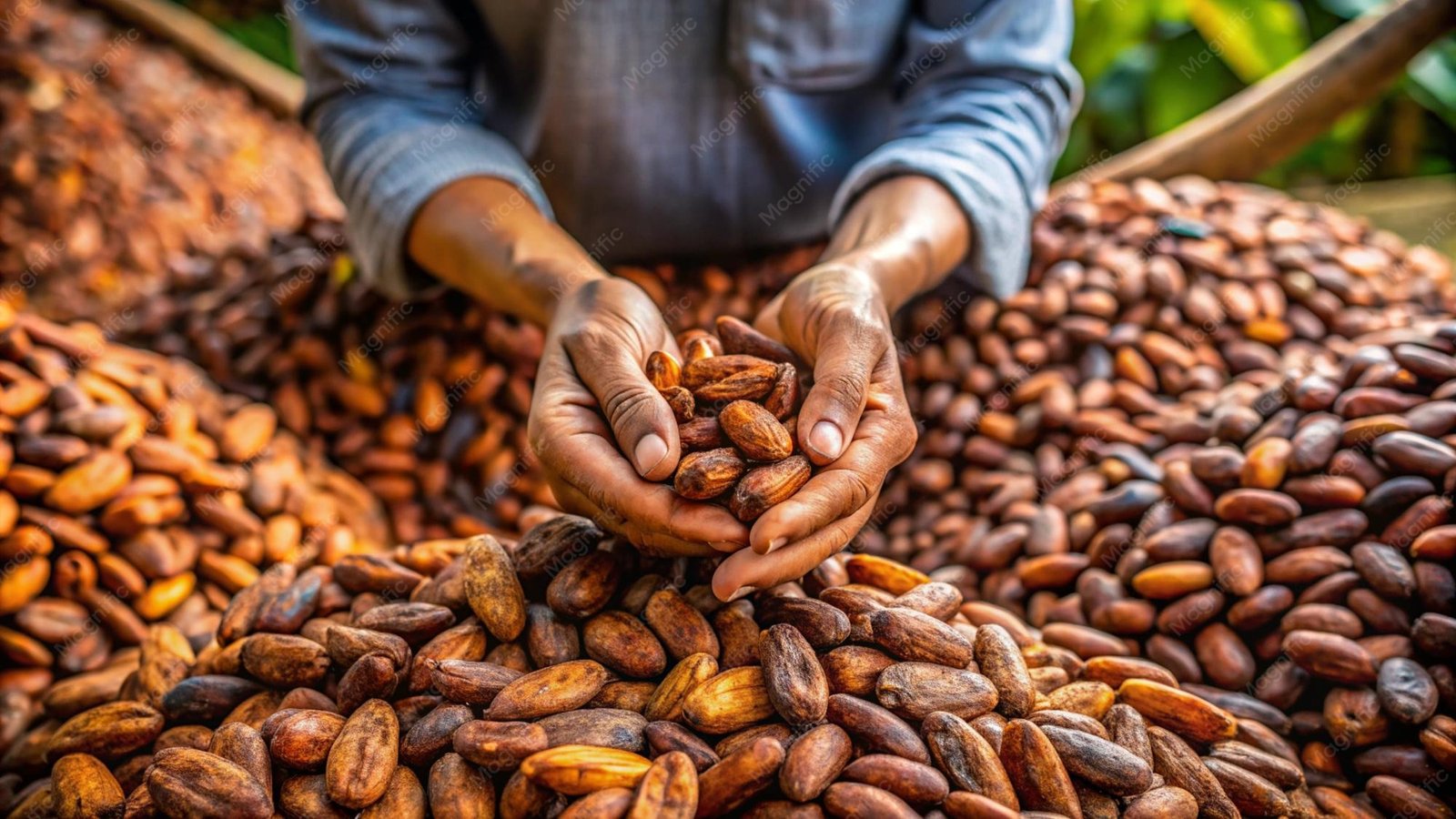
The global cocoa industry relies on a dependable supply of quality cocoa beans to meet the needs of chocolate manufacturers, food processors, and commodity traders. From sourcing agricultural products to coordinating international shipments, export businesses help connect cocoa-producing regions with buyers worldwide. Understanding the role of a Cameroon Cocoa exporter helps businesses learn how cocoa reaches international markets, what quality factors matter, and why sourcing, documentation, and logistics are essential to successful cocoa trade.
Why Is Cameroon Important in the Global Cocoa Market?
Cameroon is an established cocoa-producing country with a role in the international agricultural trade. Its cocoa sector supports farming communities and supplies beans for processing and chocolate production. International buyers consider origin, bean characteristics, availability, and commercial terms when evaluating sourcing opportunities. Effective connections between local supply networks and overseas markets help buyers understand product specifications and purchasing requirements. This relationship also creates opportunities for transparent communication and more organized transactions throughout the cocoa supply chain.
How Does Cocoa Quality Affect International Trade?
Cocoa quality influences flavor development, processing performance, storage, and the suitability of beans for different manufacturing applications. Buyers should understand the characteristics of a shipment before confirming an order. Clear specifications help suppliers and purchasers agree on measurable quality expectations.
Important quality factors include:
- Moisture content: Appropriate moisture levels help protect beans during storage and transportation.
- Fermentation: Fermentation contributes to flavor development and influences the suitability of beans for chocolate production.
- Drying practices: Proper drying helps preserve quality and reduce the risk of deterioration.
- Physical condition: Buyers should check for mold, foreign matter, damaged beans, and other defects.
- Packaging: Suitable export packaging helps protect beans during handling and shipment.
- Inspection: Agreed sampling procedures and quality checks help establish whether a shipment meets contractual requirements.
A professional Cocoa beans exporter should communicate product specifications clearly and help buyers understand the quality criteria applicable to an order. Buyers should confirm all specifications, inspection arrangements, and acceptance conditions in writing before shipment.
What Role Does Export Coordination Play in Cocoa Trade?
International cocoa transactions involve more than purchasing and transporting beans. They require coordination between suppliers, buyers, logistics providers, and relevant authorities. Commercial quotations, contracts, shipping arrangements, and export documentation must be aligned to reduce avoidable delays. Clear communication also helps both parties understand payment terms, delivery responsibilities, shipment schedules, and applicable compliance requirements. When these activities are planned carefully, buyers can make better-informed purchasing decisions and prepare for the arrival of their goods.
What Should Buyers Check Before Purchasing Cocoa Beans?
Before placing an international order, buyers should evaluate whether the proposed product, quantity, and delivery arrangements meet their business needs. A structured evaluation helps businesses compare offers fairly and identify potential risks.
Key considerations include:
- Quantity and availability: Confirm the required volume and the supplier's ability to meet the proposed schedule.
- Product specifications: Agree on origin, moisture, fermentation, acceptable defects, and packaging.
- Commercial terms: Review pricing, payment conditions, shipping terms, and any additional charges.
- Documentation: Determine which invoices, packing lists, origin certificates, and other documents are required.
- Import requirements: Check destination-country customs, food safety, and agricultural import regulations.
- Shipping arrangements: Clarify shipment timing, transport responsibilities, and destination details.
- Supplier communication: Look for consistent information and clear responses to technical and commercial questions.
Businesses purchasing Bulk Cocoa beans should also consider consistency between lots, storage capacity, inspection procedures, and the total landed cost. Comparing suppliers against the same specifications makes it easier to assess overall value rather than focusing on price alone.
How Can Buyers Evaluate Cocoa Bean Suppliers?
Choosing a suitable supplier requires careful consideration of product information, communication, and commercial transparency. Buyers should request detailed specifications and confirm whether the proposed supply meets their intended processing requirements. Reviewing sample availability, inspection arrangements, contractual terms, and shipment documentation can also help businesses assess a potential trading relationship.
Before making a commitment, buyers should consider the following:
- Verify business details: Review available company information and relevant trade references.
- Request written specifications: Ensure the product description includes measurable quality requirements.
- Clarify payment terms: Understand payment milestones, responsibilities, and contractual protections.
- Confirm delivery terms: Establish who handles transportation, insurance, and other agreed shipping responsibilities.
- Review documentation: Confirm the documents needed for export, customs clearance, and import compliance.
These steps help buyers compare potential suppliers more consistently. Although no checklist can eliminate every trade risk, clear expectations and documented agreements provide a stronger foundation for international purchasing decisions.
How Can You Start Sourcing Cocoa Beans Internationally?
The first step is to prepare a clear sourcing inquiry. Buyers should specify their required quantity, destination country, quality preferences, packaging requirements, and expected delivery schedule. Providing these details helps suppliers assess the request and determine whether suitable supply options may be available.
After reviewing the requirements, the parties can discuss a quotation, confirm specifications, negotiate contractual terms, and coordinate inspection and shipment preparation. Importers should independently verify applicable regulations and confirm the required documentation before shipment.
Looking for a Reliable Cocoa Sourcing Partner?
Makay Global Trading helps commercial buyers explore sourcing opportunities for Cameroon-origin cocoa beans. Visit https://makayglobaltrading.com/ or contact the team at +1 800 965 8307 or sales@makayglobaltrading.com to discuss your order volume, quality specifications, destination, and export requirements.
Views: 6 · 30s+ reads: 0