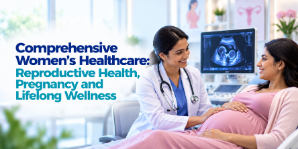
Women's health needs change throughout different stages of life, from adolescence and reproductive years to pregnancy, childbirth and menopause. Access to appropriate medical guidance can help women understand their health, address symptoms and make informed decisions about treatment. A Best Gynecology Hospital provides specialised consultations, diagnostic services, reproductive healthcare and pregnancy-related support according to individual needs. Comprehensive women's healthcare focuses not only on treating medical conditions but also on prevention, early assessment, patient education and long-term well-being.
Understanding Gynecology and Women's Health
Gynecology is the medical specialty concerned with the female reproductive system, including the uterus, ovaries, fallopian tubes, cervix and vagina. Obstetrics focuses on pregnancy, childbirth and care following delivery. Many hospitals provide both services through an integrated obstetrics and gynaecology department.
Gynecologists assess symptoms, recommend appropriate investigations and develop treatment plans based on medical history, age, reproductive goals and individual health requirements.
Women's healthcare may include routine consultations, menstrual health management, fertility assessment, pregnancy care, treatment of reproductive disorders and guidance during menopause.
Importance of Regular Gynecological Check-Ups
Routine gynecological consultations provide an opportunity to discuss symptoms, reproductive health, contraception and preventive screening. The appropriate frequency and type of examination depend on a person's age, medical history, risk factors and current concerns.
During a consultation, a doctor may review menstrual patterns, previous pregnancies, medication use, family history and any ongoing symptoms.
Depending on individual needs, preventive care may include cervical cancer screening, vaccination guidance, reproductive health counselling and assessment of other health risks. Not every examination or screening test is required at every visit.
Menstrual Health and Common Disorders
Menstrual cycles can vary between individuals, but significant changes in bleeding patterns or persistent discomfort may require medical assessment.
Common menstrual concerns include:
- Irregular periods
- Heavy menstrual bleeding
- Painful menstruation
- Missed periods
- Premenstrual symptoms
- Bleeding between periods
These symptoms may be associated with hormonal changes, uterine conditions, thyroid disorders or other medical causes.
A gynecologist may recommend blood tests, ultrasound imaging or other investigations based on the symptoms. Treatment depends on the underlying cause and may involve medication, lifestyle guidance or specialised procedures.
Polycystic Ovary Syndrome
Polycystic ovary syndrome (PCOS) is a hormonal condition that may affect menstrual cycles, ovulation and skin or hair health. Some individuals with PCOS also experience insulin resistance or metabolic concerns.
Possible symptoms include irregular periods, acne, increased facial or body hair and difficulty conceiving.
Diagnosis is based on clinical assessment and appropriate investigations rather than a single symptom alone. Management may involve menstrual regulation, treatment of specific symptoms, metabolic risk assessment and fertility support when needed.
Endometriosis and Pelvic Pain
Endometriosis is a condition in which tissue similar to the lining of the uterus grows outside the uterus. It can be associated with painful periods, chronic pelvic pain, pain during intercourse and fertility difficulties.
Diagnosis may require a detailed medical history, physical examination and imaging. In selected cases, further procedures may be considered.
Treatment options vary according to symptom severity, reproductive goals and clinical findings. They may include pain management, hormonal treatment or surgery when appropriate.
Persistent pelvic pain should be evaluated by a qualified healthcare professional rather than managed indefinitely through self-medication.
Uterine Fibroids
Uterine fibroids are non-cancerous growths that develop in or around the uterus. Their effects vary depending on their size, number and location.
Some fibroids do not cause symptoms, while others may contribute to heavy menstrual bleeding, pelvic pressure, discomfort or fertility-related concerns.
Ultrasound imaging is commonly used during evaluation. Treatment depends on symptoms, fibroid characteristics, age and future pregnancy plans. Options may include observation, medication or selected procedures and surgery.
Ovarian Cysts and Reproductive Health
Ovarian cysts are fluid-filled sacs or other growths that develop in or on an ovary. Many are benign and resolve without treatment, while some require monitoring or further assessment.
Doctors may recommend ultrasound examinations and follow-up based on the cyst's appearance, size and associated symptoms.
Sudden, severe pelvic pain, particularly when accompanied by vomiting, dizziness or fainting, requires urgent medical evaluation because complications may need immediate treatment.
Fertility and Reproductive Health
Fertility care helps individuals and couples understand factors that may affect conception. Difficulty becoming pregnant can involve ovulation, reproductive anatomy, sperm-related factors or a combination of issues.
A fertility assessment may include medical history, hormonal testing, ultrasound examinations and other investigations according to clinical requirements.
Management depends on the findings and may include treatment of underlying conditions, ovulation-related medication, fertility procedures or referral to a specialised reproductive medicine service.
Fertility counselling should provide clear information about available options, expected processes, potential risks and individual considerations.
Pregnancy and Antenatal Care
Antenatal care supports the health of the pregnant individual and developing baby throughout pregnancy. Regular consultations allow healthcare professionals to monitor progress, assess risk factors and provide appropriate guidance.
Pregnancy care may include:
- Medical history and initial assessment
- Blood pressure monitoring
- Blood and urine investigations
- Ultrasound examinations when indicated
- Assessment of fetal growth and development
- Nutritional guidance
- Supplementation advice
- Screening for selected pregnancy-related conditions
- Counselling about warning signs and birth planning
The schedule and type of investigations depend on the stage of pregnancy, individual risk factors and medical recommendations.
High-Risk Pregnancy Management
Some pregnancies require additional monitoring because of existing medical conditions or complications that develop during pregnancy.
Factors that may require specialised attention include hypertension, diabetes, multiple pregnancy, previous pregnancy complications and certain maternal or fetal health concerns.
High-risk pregnancy care may involve more frequent consultations, specialised investigations and coordination between obstetricians and other medical specialists.
The care plan is tailored to the individual, with attention to maternal health, fetal development and appropriate timing of delivery.
Labour and Delivery Services
Labour and delivery services support patients through childbirth while monitoring the condition of both mother and baby.
Depending on the clinical situation, delivery may occur vaginally or through a caesarean section. The decision depends on maternal health, fetal condition, progress of labour and other medical considerations.
Maternity facilities may include labour rooms, fetal monitoring, operating theatres and newborn support services. The exact facilities available differ between hospitals.
Patients can discuss birth preferences and possible interventions with their obstetric team during pregnancy. Medical decisions during labour should prioritise the safety and well-being of the mother and baby.
Postnatal Care and Recovery
Postnatal care supports recovery after childbirth and helps identify complications that may develop following delivery.
Follow-up may include assessment of physical recovery, blood pressure, wound healing, breastfeeding concerns, emotional well-being and contraception needs.
New parents may also require guidance on newborn feeding, rest and recognising warning signs that require medical attention.
Heavy bleeding, fever, severe headache, breathing difficulty or other serious symptoms following delivery should receive prompt medical assessment.
Adolescent Gynecological Care
Adolescence is an important stage for understanding menstrual health, reproductive development and personal hygiene.
Gynecological consultations may help address irregular periods, painful menstruation, concerns about puberty and other symptoms that interfere with daily activities.
Age-appropriate counselling can help young people understand normal bodily changes and recognise when medical evaluation is needed.
Care should be respectful, confidential within applicable legal and clinical boundaries, and tailored to the individual's age and circumstances.
Menopause and Midlife Women's Health
Menopause marks the end of menstrual periods and is associated with changes in reproductive hormone levels. The transition may involve hot flashes, sleep disturbances, mood changes, vaginal dryness and changes in menstrual patterns.
Management depends on the nature and severity of symptoms, medical history and personal preferences.
Options may include lifestyle adjustments, non-hormonal treatments or hormone therapy for suitable individuals after an assessment of benefits and risks.
Midlife healthcare may also include attention to bone health, cardiovascular risk, preventive screening and other age-related health needs.
Gynecological Cancer Awareness
Gynecological cancers can affect the cervix, ovaries, uterus, vagina and vulva. Symptoms vary by cancer type and may overlap with non-cancerous conditions.
Warning signs that deserve medical evaluation can include unusual vaginal bleeding, persistent pelvic discomfort, unexplained abdominal swelling or ongoing changes in urinary or bowel habits.
Cervical cancer screening and HPV vaccination, when appropriate, form important parts of preventive care. Screening recommendations vary according to age, medical history and local guidelines.
When cancer is suspected, further assessment may involve imaging, biopsy and specialist consultations. Treatment planning may require collaboration among gynecologists, oncologists, radiologists and other healthcare professionals.
Minimally Invasive Gynecological Surgery
Some gynecological conditions can be treated through minimally invasive procedures, including laparoscopy and hysteroscopy.
Laparoscopy uses small incisions and a camera to examine or treat certain conditions within the abdomen and pelvis. Hysteroscopy allows a clinician to examine the inside of the uterus using a specialised instrument.
These approaches may be used for selected cases involving fibroids, endometriosis, ovarian cysts or other reproductive health conditions.
Suitability depends on the diagnosis, medical history, procedure requirements and the treating surgeon's assessment. Not every condition can be treated using a minimally invasive technique.
Urogynecology and Pelvic Floor Health
Urogynecology addresses conditions involving the pelvic floor, bladder and support structures of the reproductive organs.
Some individuals experience urinary leakage, pelvic organ prolapse, pelvic pressure or other symptoms that affect daily activities.
Evaluation may include a medical history, physical examination and selected investigations. Treatment options can range from pelvic floor exercises and lifestyle adjustments to medication, specialised physiotherapy or surgery.
Early consultation can help patients understand available treatment approaches and identify options suited to their symptoms.
Family Planning and Contraceptive Counselling
Family planning services help individuals make informed decisions about pregnancy timing, contraception and reproductive goals.
Contraceptive options include barrier methods, hormonal methods, intrauterine devices and permanent methods. Each option has different benefits, limitations and suitability considerations.
A healthcare professional can explain effectiveness, potential side effects, interactions with medical conditions and correct use.
Counselling should support informed decision-making without pressure and take account of personal preferences, medical history and future pregnancy plans.
Diagnostic Services in Gynecology
Diagnostic investigations help clinicians evaluate symptoms and determine the appropriate treatment approach.
Depending on the clinical situation, a gynecology department may provide or arrange:
- Pelvic ultrasound
- Blood and hormonal investigations
- Urine tests
- Cervical screening
- HPV testing when indicated
- Colposcopy
- Hysteroscopy
- Biopsy and pathology assessment
- Additional imaging where necessary
Not every patient needs all these tests. The doctor recommends investigations according to symptoms, examination findings and relevant clinical guidelines.
Emergency Gynecological Care
Certain reproductive health conditions require urgent assessment. These may include severe pelvic pain, heavy vaginal bleeding, pregnancy-related bleeding, suspected ectopic pregnancy or complications following a procedure.
Symptoms such as fainting, severe weakness, breathing difficulty or intense pain should not be ignored.
Emergency evaluation helps determine the cause of symptoms and whether immediate treatment is necessary. Pregnant patients experiencing concerning symptoms should follow their obstetric team's instructions or seek urgent care when indicated.
Multidisciplinary Women's Healthcare
Women's health concerns sometimes overlap with other medical conditions. A coordinated approach can help when care requires expertise from multiple specialties.
Depending on the patient's needs, the healthcare team may include obstetricians, gynecologists, reproductive medicine specialists, endocrinologists, radiologists, surgeons, oncologists, nutrition professionals and mental health practitioners.
Collaboration supports comprehensive assessment and helps ensure that treatment plans consider the patient's overall health rather than focusing on one symptom alone.
Choosing the Right Gynecology Hospital
Selecting a healthcare facility involves assessing the services relevant to a patient's medical needs.
Important considerations include:
- Qualifications and experience of gynecologists
- Availability of obstetric and maternity services
- Pregnancy monitoring and high-risk pregnancy support
- Diagnostic and imaging facilities
- Emergency care arrangements
- Surgical capabilities
- Newborn support services where maternity care is provided
- Infection prevention and patient safety practices
- Clear communication about treatment options
- Follow-up and recovery support
Patients should confirm which services are available and discuss their specific requirements with the hospital before making a decision.
Patient-Centred Women's Healthcare
Women's healthcare should respect individual needs, privacy, preferences and concerns. Clear communication helps patients understand their symptoms, diagnostic findings and treatment choices.
A patient-centred approach includes explaining procedures, discussing potential benefits and risks, addressing questions and involving patients in decisions about their care.
Follow-up appointments may be important for monitoring chronic conditions, reviewing investigation results, assessing treatment response and planning preventive care.
Conclusion
Comprehensive women's healthcare includes preventive consultations, menstrual health management, reproductive care, pregnancy support, treatment of gynecological conditions and long-term health monitoring. Choosing a Best Gynecology Hospital involves considering specialist expertise, diagnostic facilities, maternity services, emergency support, patient safety and continuity of care. Regular medical guidance and timely evaluation of concerning symptoms can help women make informed decisions and receive care suited to their health needs at every stage of life.
Contact:
ADDRESS: Calgiri Road, Malviya Nagar, Jaipur,
Rajasthan - 302017
EMAIL: relationship@rungtahospital.com
PHONE NUMBER: +91-8955000333
Views: 5 · 30s+ reads: 0