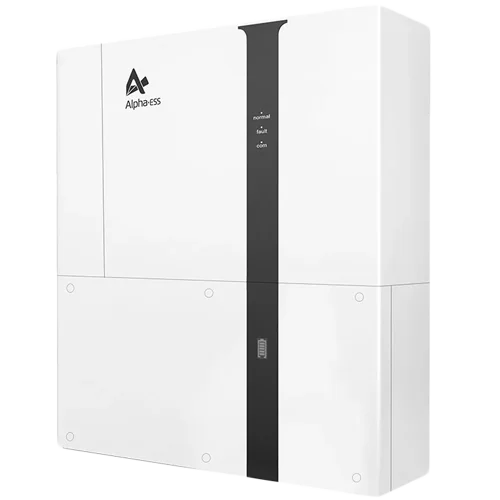
Solar power has become a common feature on Australian homes, but generating electricity from the sun is only part of the energy equation. Most rooftop solar systems produce their strongest output during the day, while many households use more electricity in the early morning and evening.
A solar battery helps bridge this gap.
By storing excess solar electricity for later use, battery storage can help households increase solar self-consumption, reduce dependence on grid electricity and gain greater control over how and when they use energy.
Interest in solar batteries in Australia has also increased following the introduction of the Australian Government’s Cheaper Home Batteries Program. Eligible households and businesses can currently receive a discount of around 30% on qualifying battery installations connected to new or existing solar systems.
Here are some of the main benefits of installing a solar battery in Australia.
1. Use More of Your Own Solar Energy
One of the biggest advantages of a solar battery is the ability to use more electricity generated by your own solar panels.
During the middle of the day, a rooftop solar system may generate more electricity than the household needs.
Without battery storage, excess energy is generally exported to the electricity grid.
With a battery, some of that unused solar electricity can instead be stored.
When solar generation falls later in the afternoon or evening, the stored electricity can then be used by the household.
The Australian Government specifically identifies storing daytime renewable energy for use when it is needed as one of the main benefits of household batteries.
This process is often referred to as increasing solar self-consumption.
2. Reduce Reliance on Grid Electricity
Most homes with rooftop solar still need electricity from the grid.
This is particularly true after sunset when solar panels are no longer generating electricity.
Installing a home solar battery can reduce the amount of electricity that needs to be purchased from the grid during these periods.
For example, a charged battery may help supply electricity for:
- Lighting
- Refrigeration
- Televisions
- Cooking appliances
- Computers
- Air conditioning
- General household appliances
How much grid electricity can be avoided depends on battery capacity, household energy consumption and available solar generation.
For households with substantial evening electricity usage, battery storage may be particularly useful.
3. Potentially Lower Electricity Bills
Reducing grid electricity consumption can also help reduce household electricity costs.
Instead of exporting excess solar electricity during the day and purchasing electricity later when solar generation is unavailable, a battery allows more of that electricity to remain available within the home.
Actual savings vary significantly between properties.
Factors affecting potential savings include:
- Battery size
- Solar system capacity
- Electricity tariffs
- Household consumption
- Time of energy use
- Feed-in tariff
- Battery efficiency
- Energy management settings
Australian Government modelling published when the Cheaper Home Batteries Program launched indicated that eligible households could achieve substantial annual bill reductions, although actual results depend on individual circumstances.
A professional energy assessment is therefore more useful than relying on a generic savings figure.
4. Use Solar Energy After Sunset
Solar panels only generate electricity when sufficient sunlight is available.
Unfortunately, this often does not match household demand.
Many families return home from work and school in the late afternoon and begin using:
- Air conditioning
- Lights
- Televisions
- Ovens
- Dishwashers
- Washing machines
- Computers
at around the same time solar production begins declining.
A solar battery allows some daytime solar generation to be shifted into the evening.
This is one of the most practical benefits of solar battery storage in Australia, especially for households with high evening electricity consumption.
5. Take Advantage of the Federal Battery Discount
Battery storage has traditionally involved a significant upfront investment.
The Australian Government introduced the Cheaper Home Batteries Program on 1 July 2025 to reduce this barrier.
As of 2026, the program provides a discount of around 30% on eligible small-scale battery systems connected to new or existing rooftop solar.
Following changes that took effect on 1 May 2026, eligible battery systems can range from 5 kWh to 100 kWh nominal capacity, with Small-scale Technology Certificate support applying to eligible usable capacity under the program rules.
This can significantly reduce the initial cost of installing eligible battery storage.
Eligibility conditions apply, so homeowners should confirm current requirements before proceeding.
6. Greater Energy Independence
Another important benefit of solar batteries is greater control over household electricity.
Homes without batteries rely heavily on the grid whenever solar generation is insufficient.
Battery storage provides another source of electricity within the property.
While this does not necessarily mean becoming completely independent from the grid, it can reduce reliance on externally supplied electricity.
For many Australian homeowners, the combination of:
solar panels + battery storage + smart energy management
provides greater control over when electricity is generated, stored and consumed.
7. Backup Power During Blackouts
Some solar battery systems can provide backup electricity during a grid outage.
However, this is an area where homeowners need to pay close attention to system design.
Simply installing a battery does not automatically mean that every appliance in the house will continue operating during a blackout.
Backup capability depends on factors such as:
- Battery model
- Compatible inverter
- Backup hardware
- Electrical configuration
- Battery charge level
- Backup circuit design
Some installations provide backup power only to essential circuits, such as lights, refrigerators and selected power outlets.
Others may support larger loads where the system has been designed accordingly.
The Clean Energy Council also identifies improved energy security during blackouts as a potential benefit of appropriately configured household batteries.
If blackout protection is important, discuss this with your solar battery installer before selecting equipment.
8. Better Use of Australia's Strong Solar Resource
Australia has extremely high rooftop solar uptake.
More than four million rooftop solar systems have been installed nationally, according to Australian Government and Clean Energy Council reporting.
This means enormous amounts of electricity are generated from residential rooftops during daylight hours.
Battery storage allows more of this electricity to remain available for household use instead of immediately flowing back into the electricity network.
For existing solar owners, installing a battery can therefore be viewed as a way of getting more practical use from an existing solar investment.
9. Reduce Exposure to Peak Electricity Usage
Electricity prices may vary depending on a household's energy plan.
Customers on time-of-use tariffs may pay different rates depending on when electricity is consumed.
Battery systems can potentially reduce the amount of electricity purchased during more expensive periods by supplying stored electricity instead.
The actual financial benefit depends on the household's electricity tariff and battery configuration.
Smart energy management can become particularly useful in these situations.
Some systems can be configured around:
- Solar generation
- Battery charge level
- Household demand
- Electricity tariffs
- Grid imports and exports
This can help households use stored energy more strategically.
10. Support Electric Vehicle Charging
Electric vehicle ownership is another reason Australian households may consider battery storage.
Charging an EV can significantly increase household electricity consumption.
Homes with sufficiently sized solar and battery systems may be able to use a combination of direct solar generation and stored electricity to support EV charging.
However, EV charging requires careful system planning because vehicle batteries can have much larger capacities than household solar batteries.
Homeowners planning to purchase an electric vehicle should mention this during the initial solar and battery assessment.
An installer can then consider future electricity demand when recommending:
- Solar panel capacity
- Battery capacity
- Inverter capacity
- EV charger configuration
Planning these systems together can make future upgrades easier.
11. Prepare Your Home for Electrification
Australian homes are gradually becoming more reliant on electricity.
Households may replace gas-powered appliances with electrical alternatives such as:
- Induction cooktops
- Heat pump hot water systems
- Reverse-cycle air conditioning
- Electric vehicles
These changes can increase electricity consumption.
A solar and battery system can form part of a broader home electrification strategy.
Instead of viewing the battery as a standalone product, it can be useful to consider how the entire household may use electricity over the next several years.
This can help avoid choosing a battery system based only on today's consumption.
12. Monitor Household Energy Consumption
Modern solar and battery systems often provide energy monitoring.
Depending on the installed equipment, homeowners may be able to view:
- Solar generation
- Household consumption
- Battery charge level
- Battery charging
- Battery discharging
- Electricity imported from the grid
- Electricity exported to the grid
This information can help identify inefficient energy habits.
For example, a household may discover that a pool pump or air conditioner uses far more electricity than expected.
Energy monitoring can then help homeowners shift suitable electricity consumption to periods of strong solar generation.
13. Potential Benefits From Virtual Power Plants
Some battery owners may also have the option to participate in a Virtual Power Plant, commonly called a VPP.
A VPP connects multiple distributed batteries through software so they can respond collectively to electricity system needs.
Depending on the provider and program, households may receive incentives for allowing some battery capacity to participate.
The Clean Energy Council notes that orchestrated batteries can provide value both to individual households and to the broader energy system by shifting energy and reducing peak demand.
However, VPP arrangements vary substantially.
Before joining one, homeowners should understand:
- How much control the provider has over the battery
- How often the battery may discharge
- Available financial incentives
- Contract conditions
- Battery warranty implications
- Minimum reserved battery capacity
Comparing the terms carefully is important.
14. Reduce Pressure on the Electricity Grid
Solar batteries can also provide benefits beyond individual households.
Large amounts of rooftop solar electricity can enter the grid during the middle of the day when solar generation is high.
At other times, electricity demand can rise sharply.
Battery storage can help shift some electricity from high-generation periods to periods when demand is stronger.
The Australian Government says wider battery adoption can reduce pressure on the electricity grid during peak periods.
At scale, distributed batteries can contribute to a more flexible electricity system.
15. Support Renewable Energy Integration
Battery storage complements renewable energy because it allows electricity generated at one time to be used later.
Solar generation naturally changes throughout the day.
Energy storage makes it easier to retain some renewable electricity instead of requiring immediate consumption.
This is increasingly important as renewable generation becomes a larger part of Australia's electricity system.
Household batteries represent one part of this broader storage network alongside commercial batteries, community batteries and grid-scale energy storage.
Choosing the Right Solar Battery in Australia
The advantages of battery storage depend heavily on choosing the right system.
A battery that is too small may not provide enough stored electricity for evening consumption.
A battery that is too large may regularly remain underused.
Before choosing a battery, homeowners should consider:
- Average daily electricity usage
- Evening consumption
- Solar system capacity
- Available excess solar generation
- Electricity tariff
- Feed-in tariff
- Backup requirements
- Available installation space
- Future EV charging
- Future household electrification
Solar monitoring data and electricity bills can help installers estimate appropriate battery capacity.
Professional Solar Battery Installation Matters
Solar batteries are sophisticated electrical systems and should be professionally designed and installed.
For systems seeking support through the federal Cheaper Home Batteries Program, eligibility requirements include approved equipment and installation by appropriately accredited installers.
A professional installer should also assess:
- Battery and inverter compatibility
- Switchboard condition
- Battery location
- Electrical infrastructure
- Safety requirements
- Monitoring configuration
- Backup requirements
- Future expansion options
Choosing the cheapest battery without considering these factors may not provide the best long-term result.
Are Solar Batteries Worth It in Australia?
Whether a battery makes financial sense depends on the property.
A household with substantial excess daytime solar generation and high evening electricity consumption may have a stronger case for storage than a household that already consumes most of its solar electricity during the day.
The introduction of the federal battery discount has reduced upfront costs for eligible systems, potentially improving the economics of battery storage for many households.
However, homeowners should still compare installation costs, expected electricity savings, battery warranty, capacity and long-term energy requirements before making a decision.
Final Thoughts
There are several potential benefits of solar batteries in Australia, from reducing grid electricity consumption and increasing solar self-consumption to providing backup capability and greater control over household energy.
Battery storage can be particularly useful for households that generate excess solar electricity during the day but use significant amounts of electricity after sunset.
The Australian Government's Cheaper Home Batteries Program has also made eligible systems more accessible by providing around a 30% upfront discount.
However, battery size, solar generation, household consumption, inverter compatibility and future electricity needs all need to be considered carefully.
A properly designed solar and battery system in Australia can help homeowners make better use of rooftop solar while preparing their property for a more electrified energy future.
Views: 2 · 30s+ reads: 0