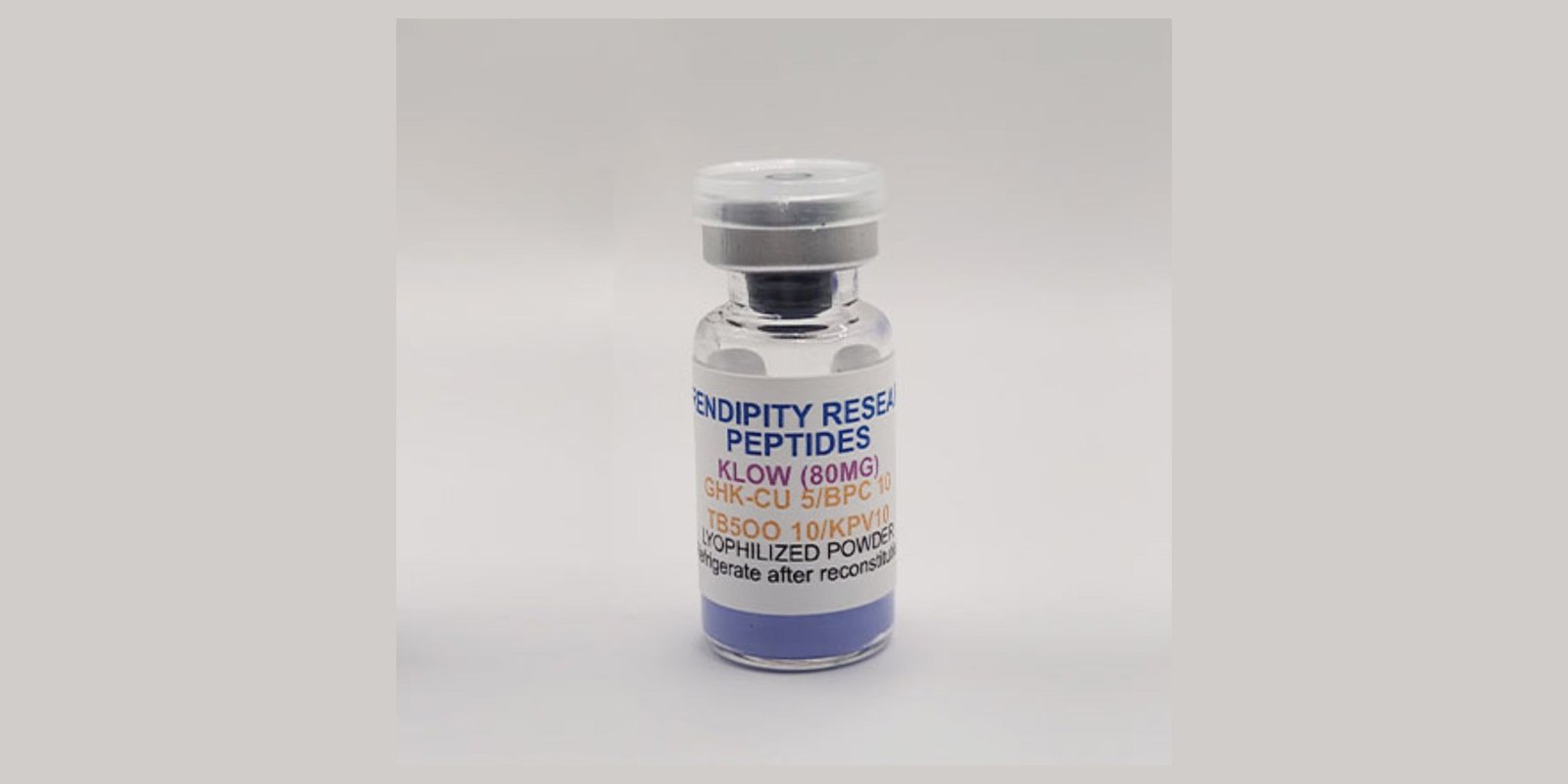
KLOW peptide research is drawing interest from laboratories studying inflammation, tissue repair, cell signaling, and extracellular matrix biology. KLOW is described as a research blend containing KPV, GHK-Cu, BPC-157, and TB-500. Each peptide has its own research history, so scientists examine the biological pathways linked with each component rather than treating KLOW as one single molecule.
For biotechnology companies, pharmaceutical firms, universities, hospitals, and clinical laboratories, understanding these pathways can help frame future experiments. KLOW peptide for sale in USA searches may point researchers toward laboratory materials, but scientific work should focus on validated study design, compound identity, purity, and measurable biological outcomes.
What Inflammatory Pathways Are Researchers Studying?
Inflammation is one of the main areas linked with KPV research. KPV is a short peptide studied for its effect on inflammatory signaling, with research focusing on pathways such as NF-kappaB and MAPK.
NF-kappaB acts like a control switch for genes involved in inflammatory responses. Researchers examine whether KPV can change this signaling in cell and animal models. Some studies also examine KPV in intestinal inflammation models, including work involving the PepT1 transporter and inflammatory gene activity.
For laboratory teams, useful endpoints may include inflammatory cytokines, gene expression, transporter activity, and changes in cell behavior. These markers can help researchers map how a peptide interacts with a biological system.
How Does GHK-Cu Relate to Extracellular Matrix Biology?
GHK-Cu gives researchers another pathway to study. This copper-binding peptide has been investigated in relation to collagen production, extracellular matrix remodeling, fibroblast activity, and changes in gene expression.
The extracellular matrix acts like a framework around cells. Collagen forms an important part of this framework. Researchers therefore examine how GHK-Cu may affect collagen-related genes and matrix processes during tissue repair. Studies have also explored broad transcriptomic changes linked with GHK-Cu exposure.
Key research areas include:
Collagen and matrix gene expression
Fibroblast activity and tissue remodeling
Copper-dependent cellular processes
Changes in repair-related gene networks
These pathways give pharmaceutical and biotechnology teams measurable targets for cell-based and molecular studies.
What Role Does BPC-157 Play in Vascular Signaling Research?
BPC-157 has received substantial attention in preclinical tissue-repair research. A major area of interest is angiogenesis, or the formation of new blood vessels.
Researchers have examined links between BPC-157 and VEGFR2-related signaling. VEGFR2 is a receptor involved in vascular growth and signaling. Blood vessel formation can influence how damaged tissue receives oxygen and nutrients, making vascular biology an important research area in repair models.
KLOW peptide research can therefore involve endpoints such as vascular markers, endothelial cell behavior, tissue structure, and gene expression. Much of the published BPC-157 work remains preclinical, with animal and laboratory models forming a large part of the research record.
How Is TB-500 Linked With Cell Movement?
TB-500 is linked with research on thymosin beta-4 biology and cellular movement. One key area involves actin, a protein that helps cells change shape and move.
Thymosin beta-4 can bind G-actin, the building-block form of actin. Researchers study how changes in this system may affect cell migration and wound closure. These processes are important in studies of tissue remodeling and repair.
For research facilities, this pathway opens several measurable areas. Scientists can examine cell migration, wound closure models, cytoskeletal changes, and related molecular markers.
What Do KLOW Peptide Studies Need to Examine Next?
A key research question involves the blend itself. Current information indicates the four components have been studied separately, while controlled studies examining KPV, GHK-Cu, BPC-157, and TB-500 together remain absent from the published record.
Future KLOW peptide studies could examine whether the pathways act independently, overlap, or influence one another. Researchers could also compare individual components with the combined formulation and track pharmacokinetic behavior, cellular responses, pathway markers, and tissue-level outcomes.
Such work could give laboratories a clearer picture of how a multi-peptide formulation behaves as a research system. It could also help separate findings linked to individual peptides from findings produced by the combination.
Final Thought
KLOW peptide research brings together several areas of biological study, including inflammatory signaling, extracellular matrix activity, angiogenesis, and cell migration. KPV, GHK-Cu, BPC-157, and TB-500 each point researchers toward different molecular pathways. KLOW peptide studies can help build a clearer research map when teams measure each pathway with careful controls and defined laboratory endpoints.
For institutions reviewing KLOW peptide for sale in the USA, research quality should remain central. Verified identity, analytical testing, documented purity, and a clear experimental plan can help laboratories generate useful and reproducible findings.
Views: 1 · 30s+ reads: 0