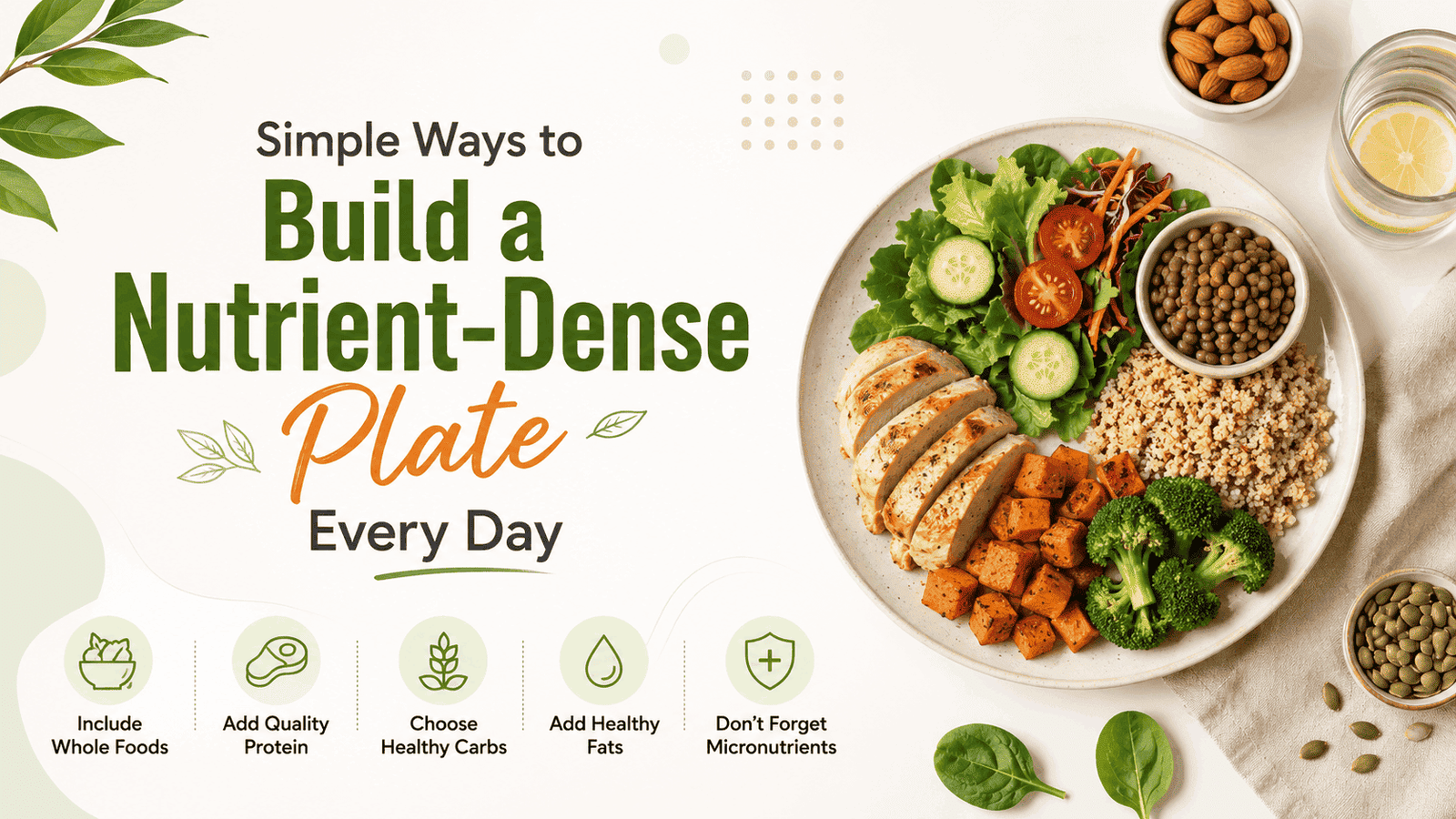
Healthy eating often sounds more complicated than it really is.
One day you're told to avoid carbs. The next day, someone says you need more protein. Then another trend appears, and suddenly your grocery list feels completely wrong.
It doesn't have to be that way.
Building a nutrient-dense plate isn't about following strict rules. It's about making sure your meals give your body the vitamins, minerals, protein, fibre, and healthy fats it needs to function well.
You don't need expensive ingredients or complicated recipes either. Most of the foods that support good health are probably already available in your kitchen.
According to the Best Nutritionist in Mumbai, focusing on the quality and variety of foods on your plate is often more beneficial than counting calories or following restrictive diets.
What Does a Nutrient-Dense Plate Mean?
A nutrient-dense plate includes foods that provide plenty of nutrition without relying heavily on added sugar, unhealthy fats, or refined ingredients.
Think of it this way.
Instead of asking, "How much food am I eating?"
Ask yourself, "How much nutrition am I getting from this meal?"
That small shift can change the way you plan your meals.
Start with Half Your Plate as Vegetables
Vegetables are one of the easiest ways to improve your meals.
They're naturally rich in:
- Vitamins
- Minerals
- Fiber
- Antioxidants
You don't have to eat salads every day.
There are many simple ways to include vegetables.
Try:
- Mixed vegetable sabzi
- Stir-fried vegetables
- Vegetable soup
- Cucumber and carrot salad
- Spinach added to dal
Using different vegetables throughout the week also helps you get a wider range of nutrients.
Include a Good Source of Protein
Protein isn't only for athletes.
Your body needs it every day to support muscles, repair tissues, produce hormones, and help you stay full between meals.
Good protein choices include:
- Eggs
- Fish
- Chicken
- Paneer
- Tofu
- Lentils
- Chickpeas
- Rajma
- Greek yoghurt
Adding protein to breakfast is something many people overlook.
Even a simple meal like a vegetable omelette or moong dal chilla can make breakfast more satisfying.
Choose Whole Grains More Often
Carbohydrates aren't the problem.
The type of carbohydrate matters.
Whole grains contain more fibre and nutrients than refined grains.
Some good options include:
- Brown rice
- Whole wheat
- Oats
- Millets
- Quinoa
- Ragi
You don't have to replace everything overnight.
Even swapping refined grains with whole grains a few times each week is a good start.
Add Healthy Fats Without Overdoing Them
Healthy fats support heart health and help your body absorb certain vitamins.
Foods rich in healthy fats include:
- Almonds
- Walnuts
- Flaxseeds
- Chia seeds
- Peanuts
- Olive oil
A small handful of nuts or a spoonful of seeds can add nutrition without making meals complicated.
Don't Forget Fruits
Many people think fruits contain too much sugar.
Natural sugar in whole fruits comes with fiber, vitamins, and antioxidants.
That makes a big difference.
Some easy choices are:
- Apples
- Oranges
- Guava
- Papaya
- Bananas
- Berries
Instead of reaching for packaged sweets every afternoon, try keeping fresh fruit within easy reach.
Add Color to Your Plate
A colourful plate often means a more nutritious meal.
Different colored fruits and vegetables provide different nutrients.
For example:
- Green vegetables provide folate and vitamin K.
- Orange vegetables contain beta-carotene.
- Red fruits often contain antioxidants.
- Purple vegetables offer plant compounds that support overall health.
You don't need every colour at every meal.
Just aim for variety over the course of the week.
Choose Home-Cooked Meals More Often
Cooking at home gives you more control over what goes into your food.
You decide:
- The amount of oil
- The amount of salt
- The ingredients
- Portion sizes
Home-cooked meals also make it easier to include vegetables and whole foods.
Simple meals are usually enough.
They don't need to look perfect.
Read Food Labels Before Buying Packaged Foods
Not every packaged food is unhealthy.
Still, reading labels helps you make better choices.
Take a few seconds to check:
- Ingredient list
- Serving size
- Added sugar
- Sodium
- Fiber
Comparing two similar products often reveals surprising differences.
Small decisions like these can improve your diet over time.
Stay Hydrated Throughout the Day
Food gets most of the attention.
Water deserves some too.
Your body relies on proper hydration for digestion, circulation, and temperature regulation.
Simple ways to drink more water include:
- Carrying a reusable bottle
- Drinking water before meals
- Choosing water instead of sugary drinks
Even mild dehydration can affect energy levels.
Plan Balanced Snacks
Snacks don't have to come from packets.
Combining protein and fibre helps keep you satisfied.
Some simple ideas include:
- Apple with peanut butter
- Yoghurt with nuts
- Roasted chana
- Fresh fruit with seeds
- Boiled eggs
These options are easy to prepare and provide better nutrition than many processed snacks.
Build Your Plate Using This Simple Formula
If meal planning feels confusing, keep it simple.
Aim for:
- Half the plate with vegetables
- One-quarter with protein
- One-quarter with whole grains
- A small portion of healthy fats
- Fresh fruit when appropriate
You don't need to measure everything perfectly.
Think of it as a general guide rather than a strict rule.
Don't Chase Every Food Trend
Nutrition advice changes constantly.
For one week, people avoid dairy.
The next week, they avoid grains.
It becomes exhausting.
Instead of following every new trend, focus on habits you can continue for years.
Balanced meals usually outperform short-term diets.
Make Small Changes Instead of Big Ones
Trying to change your entire diet in one day rarely lasts.
A better approach is to choose one habit at a time.
For example:
- Add vegetables to lunch.
- Eat fruit instead of biscuits.
- Replace white rice with brown rice twice a week.
- Include protein at breakfast.
- Drink one extra glass of water.
These changes don't feel overwhelming.
They become part of your routine.
Personalized Nutrition Still Matters
General nutrition advice works well as a starting point.
Still, everyone has different needs.
Age, activity level, medical conditions, medications, and food preferences all influence what a balanced plate looks like.
Personalized meal planning helps people meet their nutritional needs while fitting comfortably into their daily lifestyle instead of relying on restrictive eating plans.
Trust Qualified Nutrition Advice
There is no shortage of nutrition tips online.
One video tells you to avoid carbs. Another says fruit should only be eaten at certain times. It can get confusing pretty quickly.
When you're making changes to your diet, look for advice from qualified nutrition professionals who rely on scientific research and recognised dietary guidelines. Their recommendations are based on experience working with people who have different health goals and medical conditions, not just personal opinions or short-term trends.
Reliable nutrition advice should be practical, realistic, and easy to follow. Small habits backed by evidence are far more likely to support your health than quick fixes that promise instant results.
Healthy Eating Starts with One Plate
You don't need a perfect diet.
You don't need expensive ingredients.
And you definitely don't need to make every meal look like something from a cookbook.
Start with simple foods.
Fill half your plate with vegetables.
Include protein.
Choose whole grains.
Add healthy fats.
Eat fresh fruit regularly.
These habits may seem small on their own, but together they create meals that nourish your body every single day.
The next time you prepare a meal, take a quick look at your plate.
A few simple additions today can support your health for years to come.
Views: 32 · 30s+ reads: 0