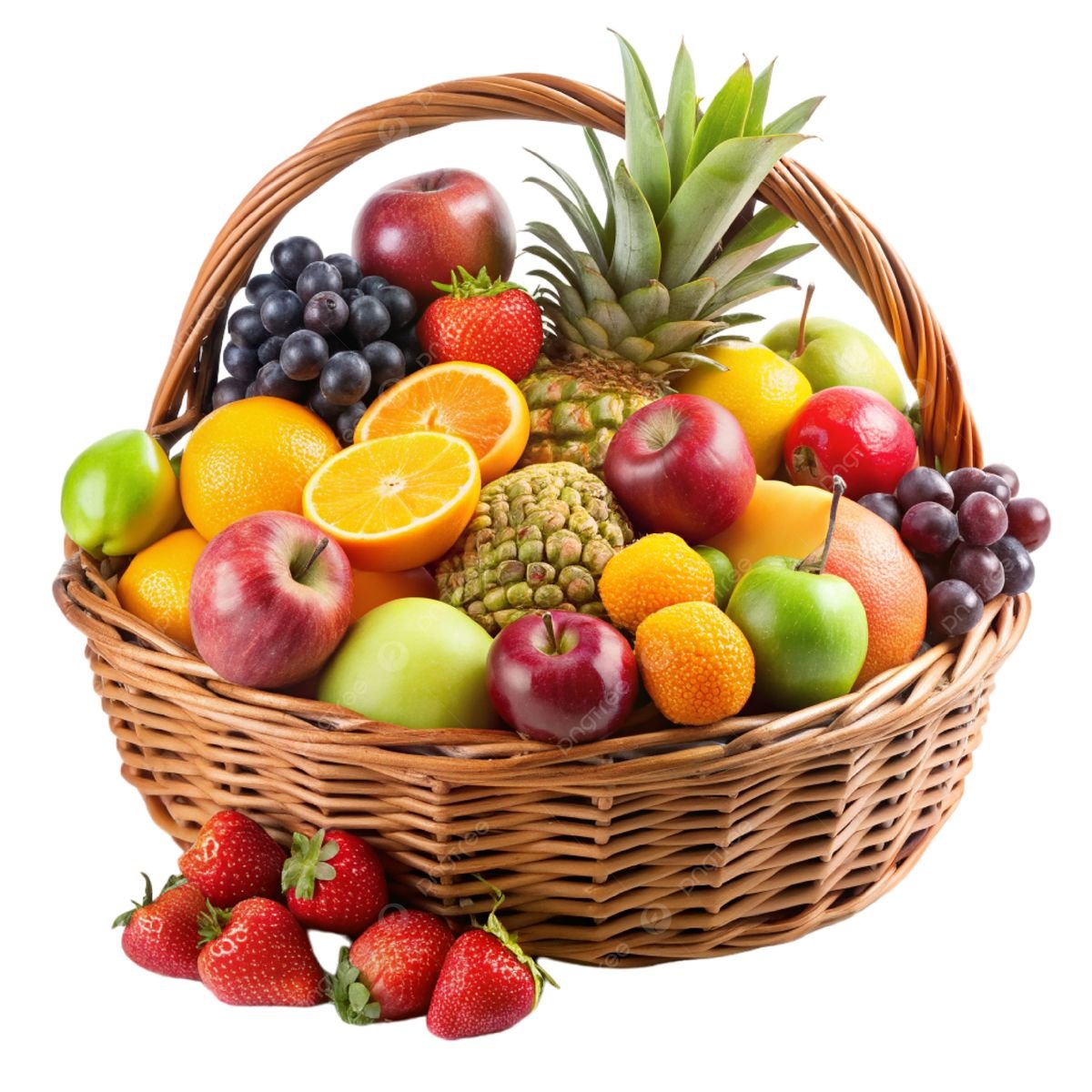
We see imported fruits everywhere these days. Shiny apples, blueberries, kiwis, cherries, dragon fruit, and even exotic pears are stacked neatly in supermarkets. They look fresh. They look tempting.
But are they really the better choice?
Honestly, not always.
Seasonal fruits that grow naturally around you often give your body exactly what it needs during that time of the year. They are fresher, tastier, less processed, and usually cost much less.
If you've ever wondered whether paying extra for imported fruits is worth it, you're not alone. Let's look at what actually makes seasonal fruits such a smart choice.
What Are Seasonal Fruits?
Seasonal fruits are fruits that naturally grow during a particular season without relying on artificial growing conditions.
For example:
Summer fruits
- Mango
- Watermelon
- Muskmelon
- Jamun
- Lychee
Monsoon fruits
- Pear
- Plum
- Peach
Winter fruits
- Guava
- Orange
- Sweet lime
- Amla
- Strawberry
Because these fruits grow in their natural season, they usually require fewer chemicals and less storage time before reaching your plate.
Why Do People Buy Imported Fruits?
Imported fruits aren't unhealthy by default.
People buy them because:
- They are available throughout the year.
- Some fruits don't grow locally.
- They look attractive.
- People want variety.
- They are often marketed as premium products.
But appearance doesn't always tell the whole story.
A fruit that travelled thousands of kilometres has a very different journey than one picked from a nearby farm.
1. Seasonal Fruits Are Usually Fresher
Freshness matters more than many people realize.
Seasonal fruits often reach local markets within a day or two after harvesting.
Imported fruits may spend:
- Days in transport
- Time inside cold storage
- Extra time during customs clearance
- More days on store shelves
That's a long journey.
Even if they still look perfect, some nutrients naturally decline with time.
Fresh fruits simply taste better too.
Have you ever compared a freshly harvested mango from a local farm with one that has been stored for weeks?
The difference is pretty obvious.
2. They Usually Contain More Nutrients
Fruit starts losing some nutrients after harvesting.
Vitamin C is one example.
Long storage periods and transportation can slowly reduce certain vitamins.
Seasonal fruits are often eaten closer to harvest.
That means you may get:
- More vitamin C
- Better antioxidant levels
- Higher water content
- Better flavor
You don't need expensive fruits to eat healthy.
Sometimes a fresh guava gives you more vitamin C than fruits that cost three or four times as much.
3. Seasonal Fruits Support Your Body Naturally
Nature has an interesting way of working.
Summer fruits usually contain more water.
Think about:
- Watermelon
- Muskmelon
- Coconut water
- Mango
These help replace fluids lost during hot weather.
Winter fruits often contain nutrients that support your immune system.
Examples include:
- Amla
- Oranges
- Guava
Your body needs different things across different seasons.
Seasonal produce often matches those changing needs quite well.
4. Better Taste Makes Healthy Eating Easier
Let's be honest.
Nobody enjoys eating bland fruit.
Seasonal fruits are picked closer to their natural ripening stage.
That usually means:
- Sweeter taste
- Better aroma
- More juice
- Better texture
When fruit actually tastes good, you're more likely to eat it regularly.
Healthy eating doesn't have to feel forced.
5. Seasonal Fruits Are Easier on Your Budget
Imported fruits can be expensive.
Sometimes one small box of imported berries costs more than several kilograms of local fruits.
Seasonal fruits are produced in larger quantities.
That usually means:
- Lower prices
- Better availability
- More choices
Eating healthy shouldn't depend on a high grocery budget.
A bowl of papaya, guava, or watermelon can be just as satisfying.
6. They Need Less Processing
Imported fruits often need extra protection during long-distance travel.
Depending on the fruit, they may undergo:
- Wax coating
- Controlled atmosphere storage
- Refrigerated transportation
- Early harvesting before full ripening
These methods help preserve appearance during shipping.
Local seasonal fruits usually spend much less time in storage before reaching consumers.
7. Seasonal Fruits Are Better for the Environment
Food transportation creates emissions.
When fruits travel across countries or continents, transportation requires:
- Cargo ships
- Air freight
- Refrigerated trucks
- Cold storage facilities
Local fruits generally travel much shorter distances.
Choosing seasonal produce can reduce the environmental impact linked with food transportation.
It's a small decision that adds up over time.
8. They Support Local Farmers
Buying seasonal fruits often means buying from nearby farmers and local markets.
Your purchase helps:
- Local farming communities
- Small businesses
- Regional agriculture
Many people don't think about this while shopping.
But every purchase supports someone.
Are Imported Fruits Less Healthy?
Not necessarily.
Imported fruits still contain valuable nutrients.
If you enjoy kiwi, blueberries, cherries, or avocados, there's nothing wrong with including them in your diet.
The real question is balance.
You don't have to avoid imported fruits completely.
You also don't need to assume they're automatically healthier because they cost more.
That's a common misunderstanding.
Seasonal Fruits That Deserve More Attention
Many Indian fruits are packed with nutrition but often get overlooked.
Some great examples include:
Guava
Rich in vitamin C and fiber.
It also keeps you full for longer.
Papaya
Supports digestion and provides vitamin A.
It's easy to digest and works well as a breakfast fruit.
Jamun
Contains antioxidants and fits well into a balanced diet during its season.
Amla
One of the richest natural sources of vitamin C.
Many people enjoy it fresh, dried, or in chutneys.
Watermelon
Perfect during hot weather.
It provides hydration and contains very few calories.
Mango
Yes, mango can absolutely be part of a healthy diet.
Portion size matters more than avoiding it completely.
Simple Tips for Choosing Seasonal Fruits
You don't need a complicated shopping strategy.
Try these ideas:
- Buy fruits that are naturally available during the current season.
- Visit local fruit markets whenever possible.
- Pick fruits with natural colour and aroma.
- Wash fruits well before eating.
- Eat different fruits instead of sticking to just one.
- Store fruits properly to reduce waste.
Small habits often make the biggest difference.
What Does Science Say?
Research continues to show that eating more fruits supports overall health.
A diet rich in fruits has been linked with:
- Better heart health
- Improved digestion
- Healthy weight management
- Higher fiber intake
- Better intake of vitamins and minerals
The focus should be on eating a variety of fruits regularly.
Seasonal fruits make that habit easier because they're fresh, affordable, and widely available.
How Bangalore's Dietitian Can Help You Make Better Food Choices
Healthy eating isn't only about choosing between imported and seasonal fruits.
Your overall diet matters much more.
Every person has different nutritional needs based on:
- Age
- Health conditions
- Physical activity
- Food preferences
- Lifestyle
If you're unsure which fruits fit your health goals, speaking with a Bangalore dietitian can help. A qualified dietitian can suggest seasonal fruits that match your nutritional needs, whether your goal is weight management, better digestion, diabetes care, PCOS support, or improving your overall eating habits.
Simple changes often work better than strict food rules.
Frequently Asked Questions
Are seasonal fruits healthier than imported fruits?
In many cases, yes. Seasonal fruits are usually fresher because they spend less time in storage and transportation. That helps preserve taste and some nutrients.
Can I eat imported fruits regularly?
Yes. Imported fruits can still be part of a healthy diet. The goal is to eat a wide variety of fruits rather than relying only on imported options.
Which seasonal fruit is best for summer?
Watermelon, muskmelon, mango, jamun, and lychee are popular summer choices because they provide water, vitamins, and natural energy.
Are seasonal fruits cheaper?
Usually yes. Since they are harvested in large quantities during their natural growing season, prices tend to be lower than imported fruits.
Should people with diabetes avoid seasonal fruits?
Not always. Many seasonal fruits can fit into a diabetes-friendly meal plan when eaten in suitable portions. Individual advice from a registered dietitian is always the best approach.
Final Thoughts
Seasonal fruits don't need fancy labels to prove their value.
They arrive fresher.
They usually taste better.
They're kinder to your wallet.
And they naturally fit the season your body is living through.
Imported fruits can still have a place in your diet. There's no need to avoid them. But if you're choosing what to fill your fruit bowl with most days, seasonal fruits are often the simpler and smarter option.
Sometimes the healthiest choice isn't the one that travelled across the world.
It's the one growing closer to home, waiting for its season
Views: 27 · 30s+ reads: 1