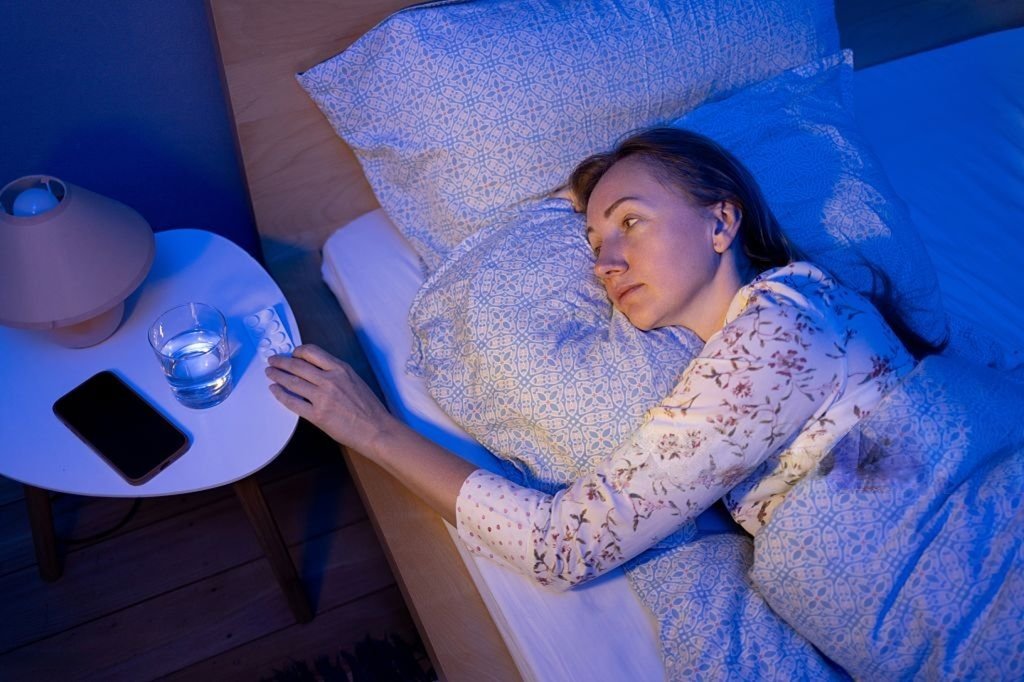
Perimenopause can be a confusing stage of life. One month, your routine may feel completely normal. The next, you may find yourself waking up at night, feeling more irritable than usual, or struggling to concentrate during the day.
It is tempting to blame everything on being busy or getting older. But hormonal changes during perimenopause can affect several parts of everyday life, including sleep, mood, energy, and the way you respond to stress.
The experience is not the same for every woman. Some notice obvious changes, while others have symptoms that are mild or come and go. Understanding what may be happening can make this stage feel a little less unpredictable.
What Exactly Is Perimenopause?
Perimenopause is the period leading up to menopause. During this time, hormone levels, particularly oestrogen and progesterone, can fluctuate.
Periods may become less predictable. You might have a shorter or longer cycle than usual, or your bleeding pattern may change.
Other symptoms can appear too. These may include hot flushes, night sweats, sleep difficulties, mood changes, vaginal dryness, and changes in concentration.
There is no fixed timetable. Some women experience symptoms for several years, while others notice changes for a shorter period.
That uncertainty is one reason perimenopause can be frustrating. You may feel as though your body is changing its rules without warning.
Why Does Sleep Become Difficult?
Sleep problems are common during the menopause transition, but there can be more than one reason for them.
Night sweats and hot flushes are an obvious example. Waking up feeling hot can make it difficult to fall back asleep. But even without noticeable night sweats, some women find that their sleep becomes lighter or more interrupted.
Stress can make the situation worse. If you are already worried about work, family, finances, or other responsibilities, waking up at 3 a.m. can quickly turn into an hour of thinking about everything that needs to be done the next day.
A few poor nights can then leave you tired and less patient during the day.
It can become a cycle: poor sleep makes the next day harder, and a stressful day makes it harder to sleep.
Stress May Feel Harder to Handle
Stress is not caused by perimenopause alone. Women can have plenty of stressful things happening in their lives at this stage, from demanding jobs to caring for children or ageing parents.
Hormonal changes may occur alongside these pressures, making the overall experience feel more difficult.
You might notice that something that would normally bother you for ten minutes stays on your mind all evening. Or perhaps you feel overwhelmed more quickly than you used to.
That does not mean you are becoming less capable. It may simply be a sign that your body and circumstances are changing at the same time.
Mood Changes Can Be Part of the Picture
Mood changes during perimenopause can be particularly confusing.
You may feel perfectly fine in the morning and unusually emotional or irritated later in the day. Some women experience anxiety or low mood, while others mainly notice that they are less tolerant of everyday frustrations.
Poor sleep can contribute to this as well. When you are exhausted, small problems tend to feel bigger.
It is worth paying attention to patterns rather than judging yourself for having a difficult day. Keeping a simple note of your sleep, periods, mood, and other symptoms for a few weeks may help you notice whether certain changes tend to occur together.
Small Changes to Your Evening May Help
There is no perfect bedtime routine for everyone. However, a few simple habits are worth trying.
Go to bed and wake up at roughly the same time when possible. Keep your bedroom cool and comfortable if you experience night sweats. Reduce bright screens before bed and give yourself some quiet time to slow down.
If your mind becomes busy the moment your head touches the pillow, write down tomorrow's tasks before going to bed. That simple habit can sometimes stop you from mentally rehearsing your to-do list in the middle of the night.
If you cannot sleep, do not spend hours becoming frustrated about it. A quiet activity in low light may be better than repeatedly checking the clock.
Look at Your Day, Not Just Your Night
Better sleep is not only about what happens at bedtime.
Regular physical activity can help with general health and may support better sleep. A walk outside, some stretching, swimming, cycling, or another activity you enjoy can be enough.
Food choices also matter. Instead of relying on caffeine throughout the day because you are tired, look at whether you are getting regular meals and enough nutritious food.
It can also help to notice when you drink coffee or tea. If caffeine keeps you awake, having it earlier in the day may make a difference.
There is no need to change ten things at once. Pick one habit and see how you feel.
Give Yourself Some Breathing Space
Women often continue trying to maintain the same pace through perimenopause that they had years earlier.
Work still needs to be done. Family still needs attention. There are bills to pay and responsibilities that cannot simply disappear.
But making room for short breaks is not laziness.
A ten-minute walk, a quiet cup of tea, a few minutes of stretching, or simply sitting without your phone can give you a chance to reset.
Some women also find yoga, meditation, journaling, or breathing exercises useful. The best option is usually the one you are actually willing to do regularly.
Be Careful With Health Advice Online
Perimenopause has become a popular topic online, which can be helpful but also confusing.
You will find advice about special diets, herbal products, supplements, hormone treatments, exercise plans, and countless other solutions. Some may be useful for certain people, but that does not mean they are suitable for everyone.
Be especially cautious about products or treatments that promise to “balance your hormones” or eliminate menopause symptoms completely.
If you are considering supplements, check the ingredients and discuss them with your healthcare professional, particularly if you take medication or have an existing medical condition.
When Should You Speak With a Doctor?
You do not have to simply put up with symptoms because they are associated with perimenopause.
If sleep problems are persistent, mood changes are affecting your everyday life, periods become unusually heavy, or you have symptoms that concern you, speak with a healthcare professional.
A doctor can help determine whether your symptoms are related to perimenopause or whether something else may be contributing.
It is also important to seek help for severe or persistent anxiety or depression. Feeling different during this stage is common, but you deserve support if your mental health is suffering.
Keep Your Expectations Realistic
One of the hardest parts of perimenopause can be accepting that your old routine may not work exactly the same way anymore.
Perhaps you used to sleep easily after a stressful day. Maybe you could survive on six hours of sleep and still feel fine. Or you may have been able to skip meals without noticing much difference.
Your needs can change.
That does not mean you need to rebuild your entire life. It may simply mean paying closer attention to what your body is telling you.
If late nights leave you exhausted, make sleep a bigger priority. If certain habits make hot flushes or poor sleep worse, adjust them. If stress is becoming difficult to manage, ask for help rather than trying to handle everything alone.
The Bottom Line
Perimenopause can affect sleep, mood, stress levels, and daily energy in ways that are not always easy to understand.
The important thing is not to search for one perfect solution. A regular sleep schedule, nutritious meals, movement, time to relax, and appropriate medical advice can all have a place in your routine.
Most importantly, do not assume that every uncomfortable change is something you simply have to tolerate. Understanding what is happening and talking to the right healthcare professional can make the transition much easier to manage.
Author Bio:
Keerthi is a health and wellness writer who covers women's health, nutrition, sleep, skincare, and everyday wellbeing. She enjoys researching health topics and turning them into practical, easy-to-understand information for readers.
Views: 4 · 30s+ reads: 0