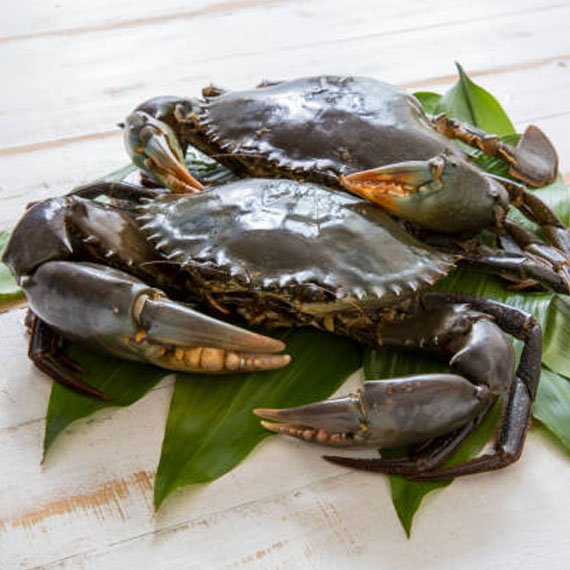
In contemporary aquaculture, there is a growing interest in fattening mud crabs. Due to their delectable meat, excellent nutritional content, and high demand in recent years, mud crabs have become a highly sought-after seafood item in numerous markets. The aim of mud crab fattening is to enhance the condition and meat quality of market-sized crabs, rather than following traditional growout farming methods.
A High-Value Opportunity in Aquaculture.
During the fattening of mud crabs, it is necessary to select healthy yet skinny or underconditioned crab meats and keep them there until their body condition and market quality improve. Ponds, caged areas, boxes, or controlled indoor systems are all potential solutions. Fattening is a more appealing option for aquaculture entrepreneurs due to the shorter culture period and faster production cycles. Research and institutional guidance suggest that fattening periods may vary from a few weeks to several weeks, depending on the crab's environment and farming method.
The increasing demand for premium seafood has emphasized the importance of raising healthy, well-managed mud crabs. This is due to this reason. Overall, farm performance can be greatly improved by effective management of all aspects from stocking to harvesting.
Smarter Housing for Better Crab Management.
The major issue in crab farming is the presence of aggression from other crabs. During periods of space availability or during vulnerable stages like moulting, crabs may cause harm or aggression to one another. This is particularly dangerous for females. Different compartments can aid in reducing the need for hands-on interaction and simplifying farming with each crab.'
An innovative method in modern vertical crab farming systems involves the placement of individual crab boxes in structured configurations. This approach can maximize space utilization while simplifying farm routine operations. Personalized crab farming and fattening systems are available through Astro Aquaculture, along with specially formulated vertical crab boxes.
Nutrition That Supports Quality.
Successful mud crabs must fatten through the management of their diet.' Nutrition is crucial for promoting healthy growth and improving overall health in Mud Crabs. The use of fish, molluscs, and other protein-rich sources as feeds can vary depending on the farming system.
Feeding should be managed with care, not increased.. Water quality can be compromised by excess feed that remains in the system. Providing appropriate amounts and monitoring feeding response can help maintain clean culture conditions and reduce wasted feed. Adapting the crab's diet to its specific stage and purpose of production is also highlighted by recent research.
Water Quality Makes the Difference.
Healthy crabs need a stable aquatic habitat.' The monitoring of salinity, temperature and dissolved oxygen, pH or waste accumulation are important parameters that must be monitored regularly. Poor water conditions can lead to stress, decreased feeding activity, and increased mortality.
By maintaining proper filtration, water movement, solids removal, and nitrogenous waste control, controlled recirculating systems can provide better environmental management. Compact and organized production systems are the primary focus of this technology for farmers.
The benefits of vertical fattening in drawing attention.
With the growth of aquaculture, space efficiency is becoming more significant. The vertical arrangement allows for more individual crab compartments within a smaller footprint than traditional horizontal systems. Crabs can be handled and monitored in food-grade polypropylene boxes.
This strategy may appeal to entrepreneurs who want to explore modern aquaculture without having to rely entirely on vast pond locations. Consistency in system design, water management, feeding, and regular maintenance is still crucial.
Achieving Greater Strength in the Crab Farming Industry.
Mud crabs can be fattened through means other than gaining weight.? The profitability of a project is dependent on various factors such as stocking quality, survival rate, feed expenses, water management, infrastructure costs, market prices, and harvesting decisions. A more efficient production system can be developed by farmers who carefully manage these factors....
With the implementation of modern technologies like controlled farming techniques and organized crab housing, companies like Astro Aquaculture are bringing fresh approaches to mud Crab farming.
Conclusion.
Modern aquaculture can benefit from the innovative farming techniques that combine premium seafood demand with mud crab fattening. This is an exciting prospect. Technology can facilitate production by providing crabs with housing and feeding, while also managing water and utilizing space-saving vertical systems. Additionally, certain types of plants may require special equipment or cranes for optimal handling. If you're an entrepreneur interested in sustainable aquaculture, and your farming practices are well thought out through careful planning and consistent monitoring of the animals (mud crabs are great options).
Views: 3 · 30s+ reads: 0