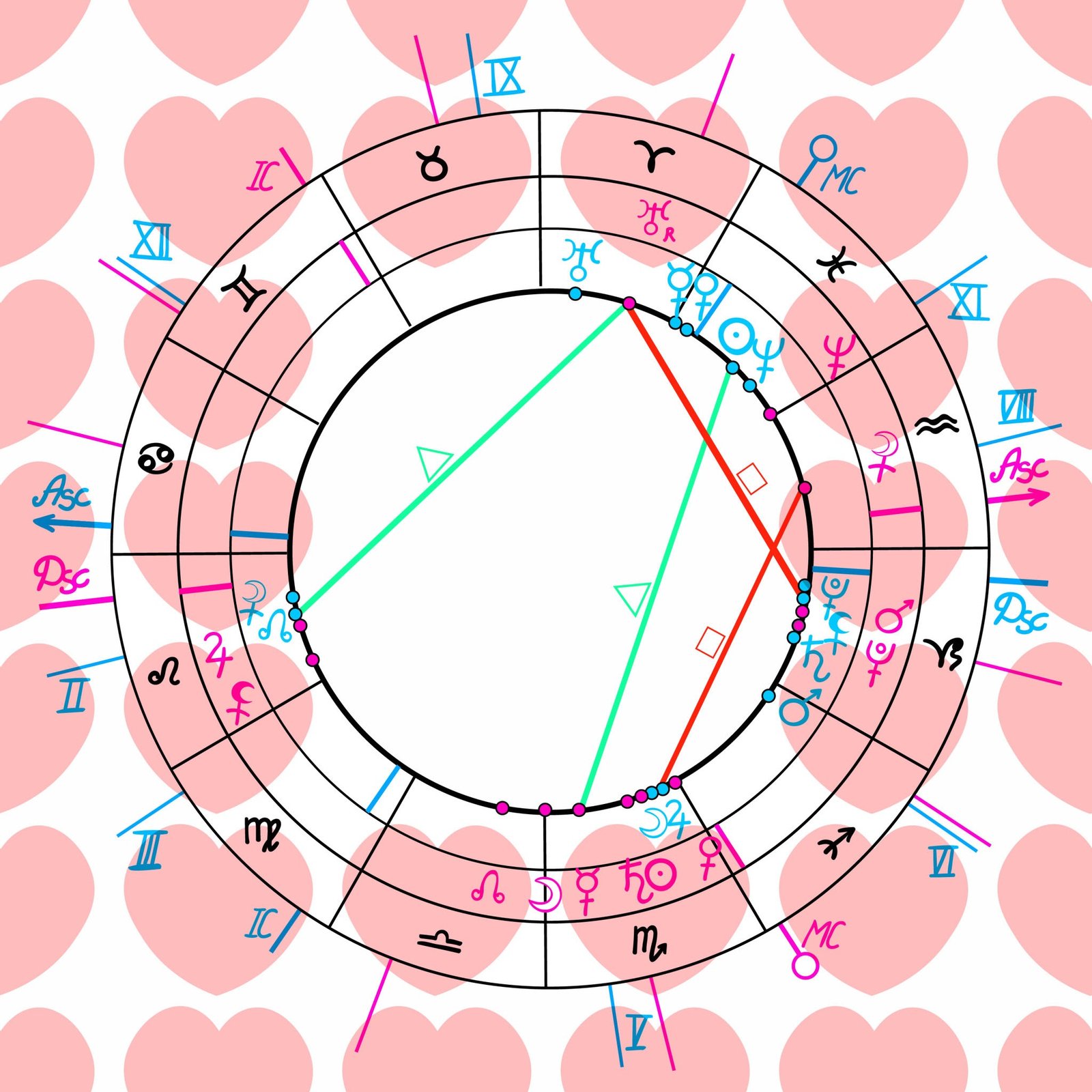
Modern life often moves at a rapid pace, with work, relationships, responsibilities, and personal goals competing for our attention. Amid this constant activity, many people are turning to astrology as a reflective tool for understanding their habits, emotions, and changing priorities. Modern astrology combines traditional planetary symbolism with contemporary approaches to self-awareness, helping people consider how cosmic cycles may correspond with different phases of everyday life.
One of the first steps toward understanding these influences is creating an accurate birth chart. Since the Ascendant and house positions depend heavily on precise birth information, knowing the most accurate way to calculate your rising sign and house positions online can provide a more reliable foundation for exploring a personal chart. Unlike general sun-sign readings, a complete birth chart considers the positions of multiple planets and their relationships to specific areas of life.
Understanding Planetary Cycles
Planetary cycles describe the continuous movement of planets through the zodiac. In astrology, these movements are often interpreted as symbolic indicators of changing themes and experiences. Faster-moving planets, such as the Moon and Mercury, are associated with shorter cycles, while slower-moving planets such as Saturn and Jupiter can correspond with broader periods of growth, responsibility, reflection, or change.
For example, the Moon completes its cycle relatively quickly and is traditionally associated with emotions, instincts, and daily rhythms. This makes lunar cycles particularly interesting to people who want to observe changes in their mood, energy, or motivation.
Longer planetary cycles can offer a different perspective. Jupiter is traditionally connected with expansion and learning, while Saturn is associated with discipline, structure, and responsibility. Rather than treating these influences as fixed predictions, people can use them as prompts for examining how they approach different stages of life.
Astrology and Daily Routines
Our routines often reveal more about us than we realize. The time we wake up, how we manage work, when we socialize, and how we respond to stress all contribute to our personal patterns. Astrology can provide a symbolic framework for reflecting on these habits.
Someone interested in astrology might use planetary cycles as a way to become more conscious of their routines. A period associated with increased activity may inspire them to focus on productivity, while a more reflective phase could encourage journaling, rest, or reassessing long-term priorities.
The value of this approach lies less in predicting exactly what will happen and more in encouraging intentional decision-making. A person may notice recurring patterns and use that awareness to make practical changes to their schedule.
The Role of the Rising Sign and Houses
The rising sign, or Ascendant, represents the zodiac sign appearing on the eastern horizon at the time of birth. In astrology, it is often used to interpret how an individual approaches the world and how different life experiences are organized within the birth chart.
Astrological houses add another layer of interpretation. Each house traditionally corresponds to a particular area of life, such as communication, family, career, relationships, finances, or personal development. Because house positions are dependent on birth time and location, accurate calculations are especially important when interpreting them.
This is one reason personalized astrology can feel considerably different from generic horoscope content. Instead of focusing only on a person's Sun sign, a complete chart provides a broader symbolic picture that includes planetary placements, houses, and aspects.
Using Cosmic Cycles for Self-Reflection
Following planetary cycles can become a simple mindfulness practice. Instead of treating astrology as a source of absolute answers, individuals can use it to ask meaningful questions about their current circumstances.
For instance, during a period traditionally associated with communication themes, someone might pay closer attention to how they express themselves or handle misunderstandings. During a period connected with discipline, they might review their commitments and identify areas where greater consistency would be beneficial.
Keeping a journal can make this process more useful. Recording important events, emotions, decisions, and observations alongside planetary movements may help people identify personal patterns over time.
Modern Astrology Meets Technology
Technology has made personalized astrology more accessible than ever. Online birth-chart calculators and astrology platforms can quickly process birth dates, times, and locations to generate detailed charts. This reduces the need for manual calculations and allows users to explore planetary positions and house placements conveniently.
Modern platforms can also present complex astrological information in simpler formats. Interactive charts, explanations, planetary timelines, and personalized interpretations can help beginners understand concepts that might otherwise seem difficult.
However, accuracy still depends on the quality of the birth information provided. Even a small difference in birth time can potentially change the Ascendant or house placements, which is why precise data remains important.
Creating a More Intentional Routine
Astrology can be incorporated into everyday life without requiring major changes. Someone might begin the morning by checking their personal intentions, use planetary cycles as prompts for journaling, or reflect on recurring themes at the end of each week.
The goal does not have to be following every planetary movement. Instead, astrology can serve as a structured language for self-reflection. By combining symbolic insights with practical habits such as planning, exercise, adequate sleep, and mindful decision-making, people can create routines that feel more intentional.
It is also important to remember that astrology should not replace professional advice in areas such as medical, financial, or psychological decision-making. Its most constructive use is as a reflective framework that complements practical judgment.
Before drawing conclusions from challenging planetary periods, some people also explore effective remedies to neutralize the effects of a planetary dosha as part of traditional astrological practices. These may include spiritual practices, charitable activities, prayers, meditation, or other culturally significant remedies. Such practices are best approached thoughtfully and alongside practical efforts to address real-life circumstances.
Finding Your Own Cosmic Rhythm
Modern astrology offers an interesting way to examine the relationship between cycles, habits, and personal growth. Planetary movements may provide symbolic themes, while daily routines provide the practical environment in which people experience and respond to those themes.
Whether someone follows astrology closely or simply enjoys it as a reflective practice, understanding the birth chart and observing planetary cycles can encourage greater awareness of personal patterns. Ultimately, cosmic alignment does not have to mean allowing planetary movements to control everyday decisions. Instead, it can mean using astrology as a prompt to pause, reflect, and make more conscious choices about how we spend our time and energy.
Read more blogs…
Views: 6 · 30s+ reads: 0