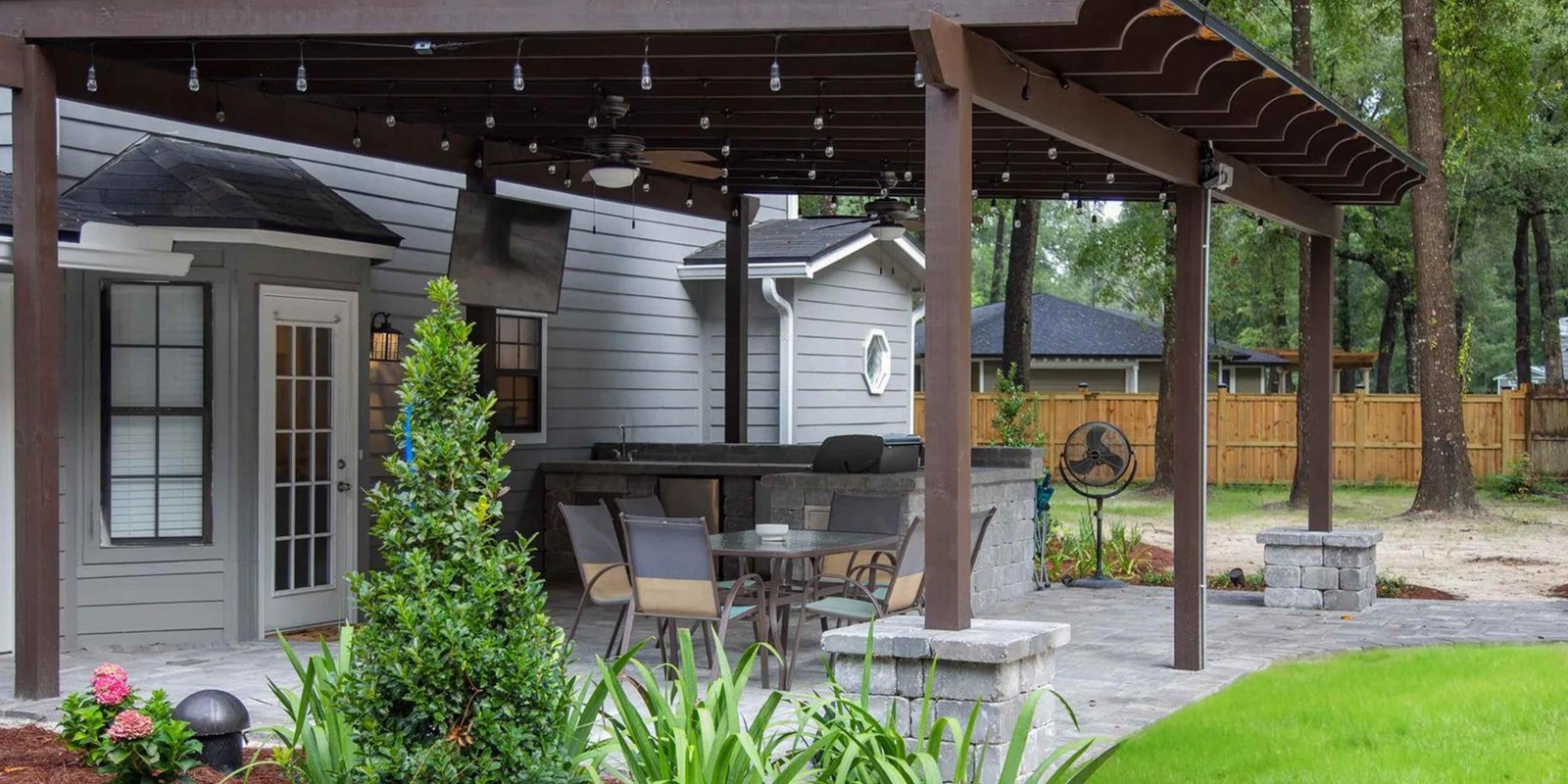
What if the backyard could become the place where dinner is prepared, guests gather, and family time happens without constant trips between the kitchen and patio? For many Orange Park homeowners, an outdoor kitchen can make that possible.
An outdoor kitchen is more than an upgraded grilling area. With the right layout, it can provide cooking space, storage, seating, and room for entertaining in one connected area. It can also give an unused part of the yard a clear purpose.
For homeowners considering outdoor kitchens in Orange Park, thoughtful planning matters. The goal should be to create a space that looks natural with the property while making outdoor cooking more convenient.
Why Add a Kitchen to the Backyard?
A backyard often has plenty of open space but may not offer much practical use beyond occasional seating. Adding a kitchen changes how that area can function.
Instead of preparing food inside and carrying plates, utensils, ingredients, and drinks outdoors, homeowners can have many of these essentials within reach. This makes outdoor meals simpler and allows the person preparing food to remain part of the gathering.
An outdoor kitchen can be useful for both large occasions and ordinary evenings. A homeowner may use it for a weekend barbecue, a family dinner, or a relaxed meal outside after a long day.
The value comes from regular use rather than having another feature that only looks good.
What Should an Outdoor Kitchen Include?
Every backyard has different needs, so there is no single layout that works for every property. Some homeowners may want a straightforward grilling station, while others may need a complete cooking and entertaining area.
Common features include
- Built-in grills
- Food preparation counters
- Outdoor cabinets
- Refrigeration
- Serving areas
- Dining spaces
- Seating areas
- Paver flooring
- Lighting
The number of features should depend on the available space and how the kitchen will be used. Adding too many elements to a small yard can make movement difficult.
A simpler design can often provide better functionality when every part has a clear purpose.
The Importance of the Surface Beneath the Kitchen
The kitchen itself receives most of the attention, but the surrounding surface is equally important. A stable and attractive foundation helps define the entire area.
Pavers are a practical choice for creating a dedicated outdoor kitchen space. They can establish clear boundaries between the cooking area, lawn, seating areas, and walkways.
Pavers can also help connect the kitchen with existing outdoor features. A matching patio or walkway can make the kitchen feel like part of the overall property rather than an isolated addition.
Different patterns and layouts can be used depending on the style of the home and the desired appearance.
Plan Around the Way the Backyard Is Used
A successful outdoor kitchen should work with the existing yard rather than forcing the rest of the property to work around it.
Before construction begins, homeowners should consider how people will move through the area. The kitchen should be positioned where it remains convenient to access from the house while leaving enough room for seating and movement.
Important planning considerations include
- Distance from the house
- Available yard space
- Placement of seating
- Access to utilities
- Storage requirements
- Drainage
- Walkway placement
- Existing landscaping
Thinking about these factors early can prevent layout problems later.
For example, placing a large cooking station directly along a major walkway could make the backyard feel crowded. A better location may allow cooking, dining, and movement to happen without interfering with one another.
Make Room for More Than Cooking
An outdoor kitchen does not have to be limited to the person standing at the grill.
A well-planned area can include enough space for family and guests to sit nearby. This allows conversations to continue while meals are being prepared.
A counter can also serve several purposes. It may provide space for food preparation before a meal and become a serving area once the food is ready.
With the right arrangement, one outdoor kitchen can support cooking, dining, conversation, and entertainment without requiring separate areas for every activity.
Storage Makes a Bigger Difference Than Expected
Outdoor cooking becomes less convenient when everything has to be carried from the indoor kitchen.
Storage can reduce that problem.
Cabinet space can hold frequently used cooking tools, serving items, cleaning supplies, and other outdoor essentials. Keeping these items close to the cooking area means fewer trips indoors.
Homeowners should consider what they are most likely to use outside and plan storage accordingly. A smaller kitchen with well-planned storage may be more useful than a larger kitchen with limited organization.
Consider Orange Park Weather
An outdoor kitchen is exposed to the elements, so the design should account for local weather conditions.
Sun, rain, humidity, and moisture can all affect an outdoor space. Choosing suitable materials and planning the area correctly can help maintain its appearance and usability.
Drainage deserves particular attention. Rainwater should be directed away from the kitchen and surrounding areas instead of being allowed to collect around the cooking space.
Shade can also improve comfort. A covered area or nearby shaded seating can make the kitchen more enjoyable during warmer parts of the day.
These details may not be immediately noticeable, but they can influence how often the space is used.
Think About Everyday Use
Outdoor kitchens are sometimes associated with parties and large gatherings, but they can serve a much simpler purpose.
A homeowner might use the space to prepare dinner on a regular evening. Family members can eat outside without setting up an elaborate event. Friends can stop by for a casual meal without requiring the entire gathering to take place indoors.
This everyday usefulness is what can make an outdoor kitchen a worthwhile addition.
Instead of waiting for a special occasion, homeowners can have a dedicated outdoor area ready whenever they want to use it.
Create a Backyard That Feels Connected
An outdoor kitchen should not look like an object placed in the middle of the yard. Its design should connect with the surrounding property.
Paver patios, walkways, seating areas, retaining walls, landscaping, and other hardscape elements can help create that connection.
For example, a paver walkway can lead from the house toward the kitchen, while a nearby patio can provide space for dining. These elements can make movement through the yard feel more natural.
The result is a backyard where different features work together instead of competing for attention.
Is an Outdoor Kitchen Right for Your Property?
The best outdoor kitchen is not necessarily the largest or most elaborate one. It is the one that fits the property and serves the homeowner's actual needs.
A small backyard may benefit from a compact cooking station with a limited footprint. A larger property may have room for a full kitchen, dining area, and entertainment space.
Homeowners should consider how often they cook outdoors, how many people typically gather, and how much space is available before deciding on the design.
This approach helps keep the project practical while still creating an inviting outdoor area.
Concluding Thoughts
An outdoor kitchen can give an Orange Park backyard a purpose that goes beyond occasional outdoor seating. It can make meal preparation easier, keep guests closer during gatherings, and provide a comfortable place for everyday outdoor dining.
The right combination of cooking space, storage, pavers, seating, drainage, and thoughtful layout can make the area both attractive and useful. For homeowners considering outdoor kitchens in Orange Park, First Coast Pavers can help develop an outdoor space that fits the property and supports the way the family wants to use it.
Contact us today to discuss an outdoor kitchen project and start planning a space made for cooking, dining, and spending more time outdoors.
Views: 6 · 30s+ reads: 0