Search is changing.
People are no longer using Google only to find a website, read a blog, or compare a few pages. They are asking longer questions, looking for direct answers, using AI tools, watching videos, checking social media, and exploring different sources before making a decision.
For businesses, this means one thing: simply publishing blog posts and adding keywords is no longer enough.
Your content needs to be useful, easy to understand, and built around what your audience actually wants to know.
Search Is No Longer Just About Keywords
Keywords still matter, but search engines have become better at understanding context and intent.
For example, someone searching for "best CRM for small business" may not want a general article about CRM software. They may want pricing, features, comparisons, use cases, and recommendations.
This means your content should answer the questions behind the search, not just repeat the keyword several times.
Instead of asking:
"How many times should I use this keyword?"
Ask:
"What does someone expect to find after searching for this?"
That shift can make a big difference to your content strategy.
People Are Searching Across More Platforms
Google is still important, but it is not the only place people search.
Someone looking for a product may start with Google, check YouTube for reviews, search Reddit for real experiences, visit LinkedIn to learn about a company, and then return to Google before making a decision.
This makes your online presence more connected.
Your website, blog, social media profiles, videos, and other content should not work as separate pieces. They should support the same brand and answer different parts of the customer's journey.
For example, one research topic can become:
- A detailed blog for search traffic
- A LinkedIn post with the key insights
- A short video explaining the main point
- A social media carousel with practical tips
- An FAQ section on your website
You are not creating completely new ideas every time. You are making your existing knowledge easier to find and consume.
AI Is Changing How People Find Information
AI search has also changed how people discover information.
Users can now ask tools like ChatGPT and other AI search platforms questions and receive a summary instead of going through several search results.
That does not mean traditional SEO is dead.
It means businesses need to focus more on creating clear, useful, trustworthy content that answers real questions.
Content with specific information, practical examples, original insights, and clear explanations has more value than content created only to target search terms.
Content Quality Matters More Than Content Volume
Publishing five articles a week does not automatically mean you will get more traffic.
If the articles cover the same topics as everyone else, provide little useful information, or do not match search intent, publishing more will not solve the problem.
A better approach is to create content around topics your audience actually cares about.
Before publishing, ask:
- Does this answer a real question?
- Is the information useful?
- Does it match what people are searching for?
- Does it offer something beyond the basic information already available?
- Is it easy to read?
- Does it give the reader a reason to trust the business?
If the answer is yes, the content has a better chance of supporting your SEO goals.
Social Media and SEO Should Support Each Other
SEO can bring people to your website, while social media can help you build awareness and relationships with your audience.
For example, a blog can attract someone searching for a solution. Your LinkedIn content can show your expertise. Your social posts can keep your brand visible after that first interaction.
This is why content, SEO, and social media should not be treated as completely separate activities.
A strong strategy connects them.
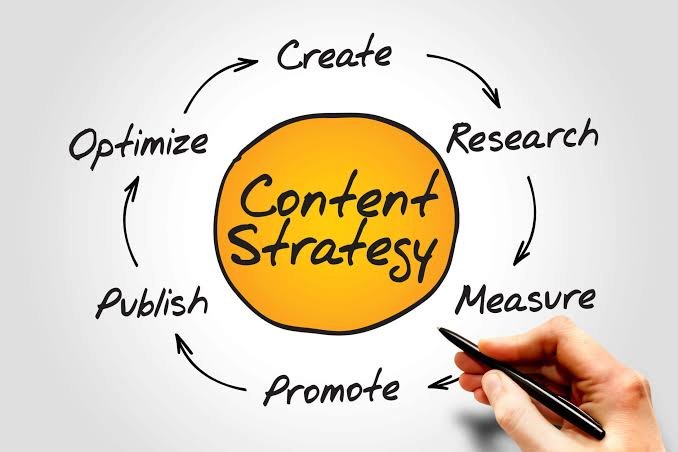
What Should Your Content Strategy Look Like Now?
Start with your audience rather than a list of keywords.
Find out what your customers are searching for, what problems they are trying to solve, what questions they ask, and what information they need before making a decision.
Then build content around those needs.
Your strategy can include:
- Search-focused content to target relevant topics and queries.
- Educational content to answer customer questions.
- Commercial content to support people who are ready to buy.
- Social media content to build visibility and engagement.
- Expert-led content to demonstrate real knowledge and experience.
- Content updates to keep useful pages accurate and relevant.
The goal is not to create content simply because you need to publish something.
The goal is to create content that helps your audience and supports your business.
The Future of Search Is More About Being Useful
Search will continue to change.
The platforms may change. The way people ask questions may change. AI may become a bigger part of how people discover information.
But one thing will remain important: useful content.
Businesses that understand their audience, create genuinely helpful content, optimize it for search, and stay active across relevant platforms will be in a stronger position to stay visible.
SEO is no longer just about getting a higher position on Google.
It is about making sure your business can be found when people are looking for the information, products, or services you provide.
Need help with content, SEO, or social media management?
I help businesses with content strategy, SEO, content creation, and social media management. If you are looking to improve your online visibility and build a consistent content strategy, connect with me on LinkedIn.
Views: 34 · 30s+ reads: 1