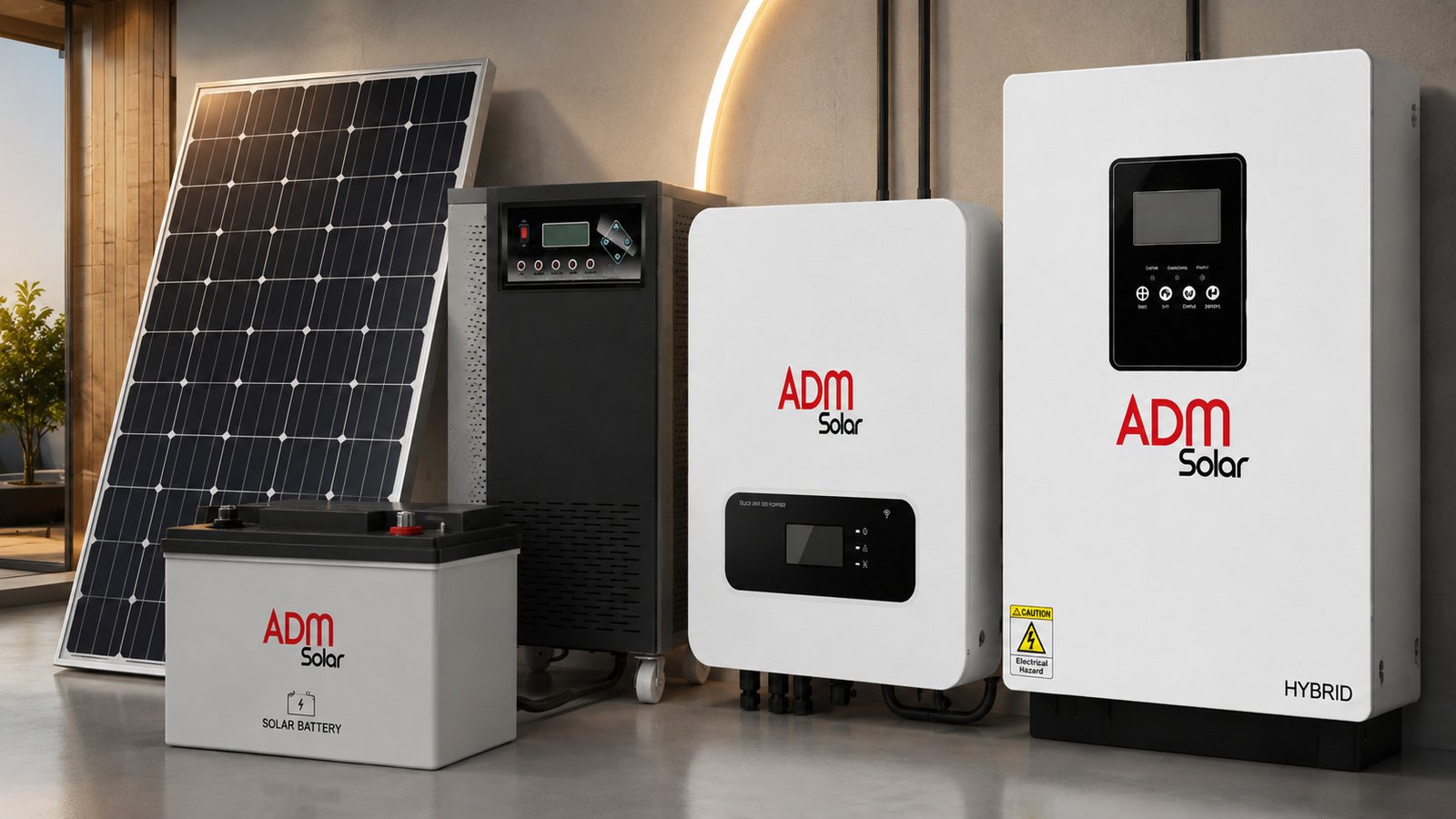
Solar energy systems need more than just solar panels to produce usable electricity. A solar panel inverter is another important part of the system. It converts the electricity generated by solar panels into a form that homes, businesses, and industrial facilities can use.
Choosing the right inverter can improve energy efficiency, system performance, and reliability. This guide explains how solar panel inverters work, their main types, benefits, and the factors to consider when selecting one.
What Are Solar Panel Inverters?
Solar panel inverters are devices that convert the direct current (DC) electricity produced by solar panels into alternating current (AC) electricity. Most electrical appliances and commercial power systems use AC electricity, so this conversion is essential.
The inverter can also monitor energy production and provide information about system performance. Modern inverters may include smart monitoring, safety features, and grid-management functions.
How Do Solar Panel Inverters Work?
Solar panels generate DC electricity when sunlight reaches their photovoltaic cells. This electricity flows to the inverter, which converts it into AC electricity.
The converted power can then be used by electrical appliances or equipment. If the solar system produces more electricity than the property needs, the excess power may be sent to the electrical grid, depending on the system design and local regulations.
In addition to power conversion, many modern inverters monitor voltage, current, temperature, and energy production. These functions help identify performance problems and improve system management.
Types of Solar Panel Inverters
Different solar projects require different inverter technologies. The most common types include the following.
1. String Inverters
String inverters connect multiple solar panels together in a series, known as a string. The electricity generated by the panels is then sent to a central inverter.
They are widely used because they are relatively simple, cost-effective, and easy to maintain. String inverters are suitable for many residential and commercial installations where panels receive similar levels of sunlight.
2. Microinverters
Microinverters are installed on individual solar panels. Each panel has its own inverter, allowing it to operate more independently.
This setup can be useful when panels experience different levels of sunlight because shading or different roof angles affect each panel less. Microinverters can also provide panel-level monitoring.
3. Hybrid Inverters
Hybrid inverters combine solar power conversion with battery storage management. They can direct electricity to appliances, batteries, or the grid based on the system's requirements.
These inverters are useful for users who want to combine solar panels with battery storage and increase their energy independence.
4. Central Inverters
Central inverters are designed for larger solar installations. They can handle high power levels and are commonly used in commercial and utility-scale solar projects.
Because they manage electricity from many solar panels, they are generally better suited to large installations than residential systems.
Key Benefits of Solar Panel Inverters
A good inverter does more than convert electricity. It can influence the overall performance and safety of a solar energy system.
Efficient Energy Conversion
Modern inverters are designed to convert DC electricity into AC power efficiently. Higher conversion efficiency can help maximize the usable electricity generated by a solar installation.
System Monitoring
Many modern inverters provide real-time information about energy generation and system performance. Monitoring can help users identify unusual changes and address potential problems.
Improved Safety
Inverters include safety features designed to protect the solar system and connected electrical equipment. Depending on the model, these can include protection against overvoltage, overheating, short circuits, and other electrical issues.
Battery Integration
Hybrid inverters can connect solar generation with battery storage. This allows users to store excess solar energy and use it later when solar production is lower.
Better Energy Management
Advanced inverters can help manage electricity between solar panels, batteries, appliances, and the grid. This can make the overall energy system more flexible.
How to Choose the Right Solar Panel Inverter
Selecting an inverter requires more than looking at its price. Consider the following factors before making a decision.
System size: Choose an inverter that matches the power capacity of your solar panel system.
Efficiency: Compare inverter efficiency ratings to understand how effectively the device converts solar electricity.
Solar panel compatibility: Make sure the inverter is compatible with the voltage, current, and configuration of your solar panels.
Installation conditions: Consider factors such as shading, roof design, temperature, and available installation space.
Battery requirements: If you plan to add battery storage, consider a hybrid inverter or another compatible solution.
Monitoring features: Smart monitoring can make it easier to track energy production and identify potential issues.
Warranty and support: Look for reliable manufacturers that provide suitable warranties, technical support, and service.
Why Solar Panel and Inverter Compatibility Matters
Solar panels and inverters must work together correctly. An improperly matched system can reduce performance and may create operational or safety issues.
When planning a solar installation, consider the panel voltage, current, power rating, inverter capacity, and system configuration. Professional installation can help ensure that these components are correctly sized and connected.
Conclusion
Solar panel inverters are a critical component of modern solar energy systems. They convert DC electricity from solar panels into usable AC electricity while also supporting monitoring, safety, and energy management.
String inverters, microinverters, hybrid inverters, and central inverters serve different applications. The right choice depends on the size of the system, installation conditions, energy requirements, battery plans, and budget.
By selecting a compatible, efficient, and reliable inverter, homeowners and businesses can get better performance from their solar investment and make greater use of clean, renewable energy.
Views: 41 · 30s+ reads: 0