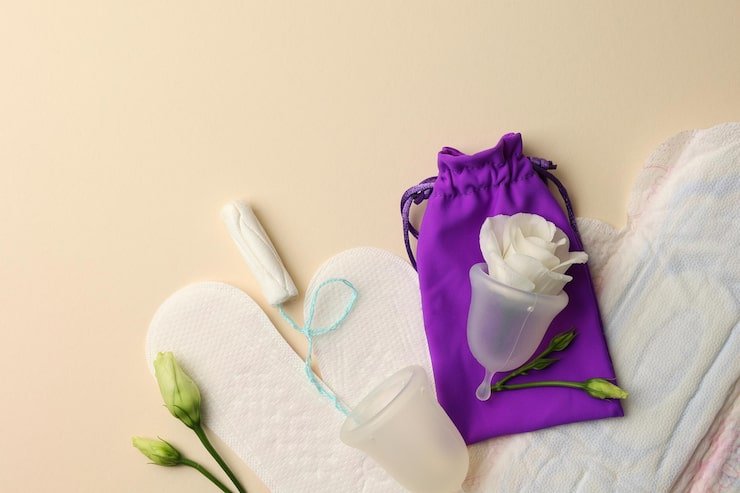
Menstrual care in Mexico is becoming increasingly connected with comfort, informed product choice and accessibility. Traditional sanitary towels remain central to everyday routines, but consumers are also encountering thinner formats, tampons, pantyliners, menstrual cups and period underwear. Alongside product innovation, menstrual education and easier access to appropriate hygiene products are becoming important parts of the wider conversation around menstrual well-being.
According to a Vyansa Intelligence report, the Mexico menstrual care sector was valued at USD 460 million in 2025 and is projected to reach USD 525 million by 2032, representing a 1.91% CAGR during 2026–2032.
Comfort Is Influencing Product Preferences
Menstrual products are used for extended periods during everyday activities, making comfort a fundamental consideration. Consumers need products that can support school, work, travel and recreation while providing reliable protection.
The underlying research identifies a preference for more discreet and comfortable products, particularly slim, thin and ultra-thin sanitary towels. Winged formats also address the practical requirement for additional security during movement.
For a Mexico menstrual care analysis, this demonstrates how relatively straightforward improvements in product design can influence consumer preferences.
Sanitary Towels Remain an Everyday Mainstay
Sanitary towels continue to play a central role because they are familiar, widely available and relatively straightforward to use. Standard products remain relevant for consumers prioritizing reliability and affordability, while thinner formats provide alternatives for those seeking greater discretion.
This creates room for manufacturers to differentiate through absorbency, materials, fit and overall wearing experience without making products unnecessarily complicated.
Alternative Products Are Widening Consumer Choice
Menstrual care is no longer limited to a single product format. Tampons, pantyliners, intimate wipes, menstrual cups and period underwear provide different approaches depending on individual routines and preferences.
These detailed menstrual care industry insights suggest that greater product diversity can help consumers choose solutions appropriate to different activities and circumstances. Education remains important, however, because unfamiliar formats require clear information about intended use, hygiene and appropriate care.
Reusable Products Bring Sustainability Into the Conversation
Reusable menstrual cups, reusable pads and period underwear introduce a different approach to menstrual product consumption. Instead of disposing of a product after each use, consumers can select formats designed for repeated use when these options suit their preferences.
The underlying research identifies environmentally conscious menstrual products as an opportunity in Mexico. Their relevance will depend not only on sustainability positioning but also on affordability, convenience, product education and consumer confidence.
Menstrual Education Supports Informed Choices
Product availability alone does not guarantee effective menstrual management. People also need reliable information about menstruation, hygiene and the appropriate use of different products.
UNICEF Mexico describes menstrual hygiene management as connected with health, education, water and sanitation, participation and dignity. Its work emphasizes access to accurate menstrual information and environments where menstruation can be discussed without discrimination or stigma.
For the latest menstrual care industry analysis, education consequently has implications extending beyond individual product categories.
Access Is Part of the Menstrual Care Experience
Menstrual products need to be available when and where they are required. Unexpected menstruation at school, work or while travelling can make immediate access particularly important.
UNICEF Mexico’s recent national work on menstrual management examines access to menstrual products alongside education, water, sanitation and hygiene infrastructure. The findings reinforce the importance of considering menstrual care as a combination of appropriate products, information and supportive facilities.
Offline Retail Provides Immediate Availability
Physical stores remain particularly useful for menstrual products because consumers often purchase them alongside other household essentials. Supermarkets, hypermarkets, discounters, convenience stores and local retailers can provide immediate access without requiring advance planning.
The underlying study of menstrual care in Mexico identifies offline retail as the primary purchasing channel.
Immediate availability is especially valuable in a category where consumers may need products unexpectedly.
Digital Retail Can Expand Specialized Product Discovery
Online shopping offers different advantages. Consumers can privately compare product formats, investigate unfamiliar alternatives and access specialized menstrual-care products that may not be available in every physical store.
Digital channels may be particularly useful for reusable products and subscription-oriented purchasing. The source research identifies online retail as an area with further potential as digitally comfortable consumers explore broader menstrual-care choices.
For retailers, detailed product descriptions and clear usage information can make digital purchasing more useful.
Safety and Hygiene Remain Fundamental
Regardless of whether consumers choose sanitary towels, tampons, cups or other products, appropriate hygiene practices remain important.
Mexico’s General Health Council advises people to change menstrual products regularly, maintain hand hygiene and use safe, clean products. Its menstrual-hygiene guidance also recognizes that misinformation, stigma and difficulty accessing basic products can negatively affect menstrual well-being.
Clear product instructions can therefore complement broader public-health education.
Better Menstrual Care Is About More Than Product Innovation
Mexico’s menstrual-care landscape demonstrates that product development and menstrual well-being are closely connected.
Comfortable sanitary towels can improve everyday experiences, while tampons, menstrual cups and period underwear provide consumers with additional choices. Reusable formats introduce sustainability considerations, and digital retail can make specialized products easier to discover.
However, meaningful progress also depends on education, appropriate hygiene practices and dependable product access. Manufacturers and retailers that understand these wider needs can develop menstrual-care solutions around practical consumer experiences rather than product novelty alone.
Views: 29 · 30s+ reads: 1