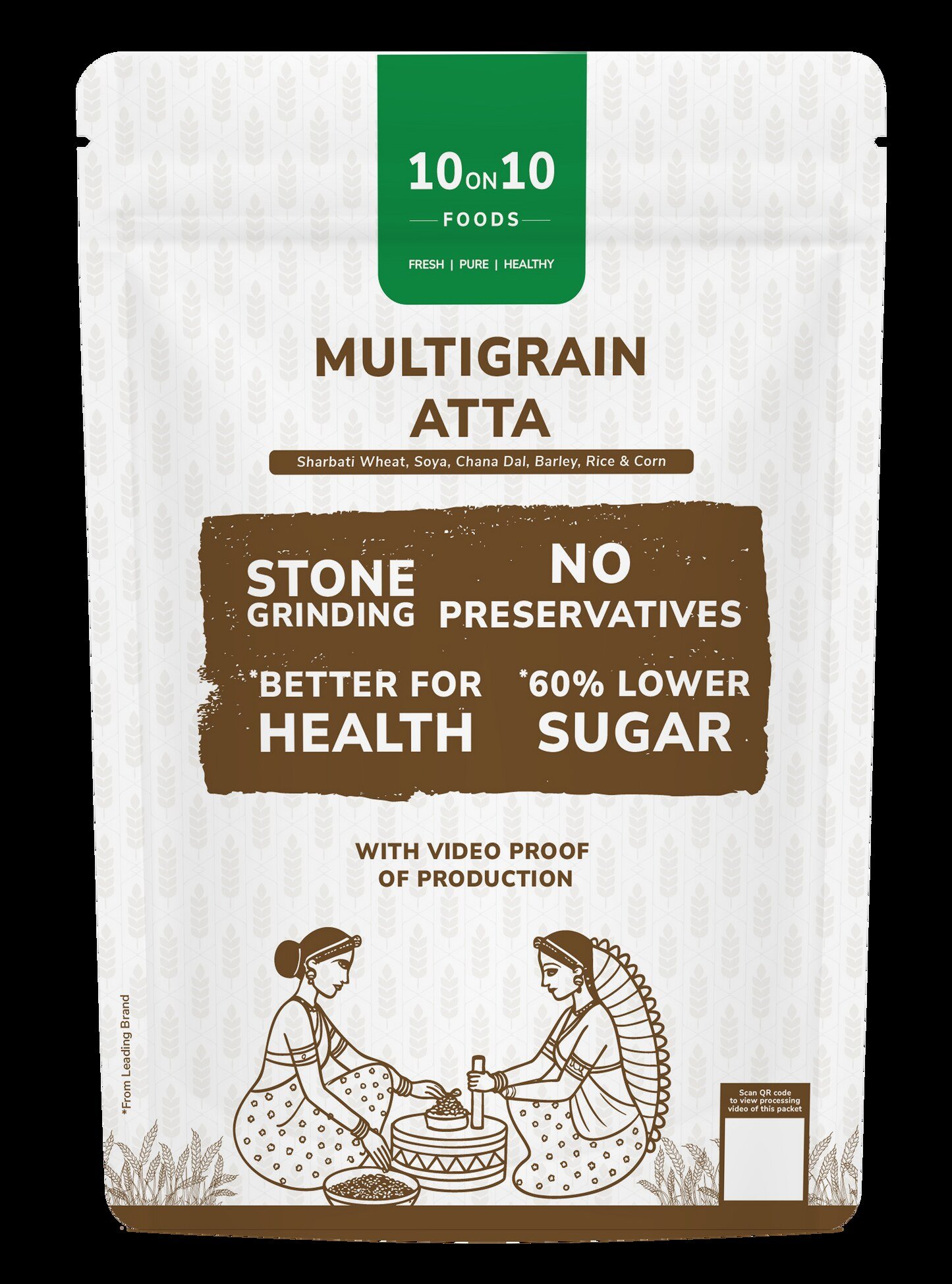
People ask me this a lot, honestly more than I expected.
"Does switching your everyday flour actually make a difference, or is it just another health trend everyone's pushing right now?"
Fair question. I had doubts too, initially.
But after almost a year of cooking almost exclusively with multigrain flour at home, watching my family's energy levels, digestion, and even snacking habits shift gradually, I can say — yeah, it's worth it. Not dramatically, not overnight, but genuinely worth it.
Why We Even Made The Switch In The First Place
It wasn't some grand health resolution.
My husband kept complaining about that mid-afternoon energy crash, the one where you eat lunch and then feel like napping under your desk an hour later, and I got curious whether our plain refined wheat roti was part of the problem.
Turns out, it probably was.
Refined flour breaks down into sugar fast, causing a quick spike and an equally quick crash, while a good multigrain atta 1 kg blend — with its mix of grains like ragi, jowar, and whole wheat — releases energy far more gradually throughout the day.
That crash pretty much disappeared within a few weeks.
What Nobody Tells You About Taste (Because It Does Change)
I won't lie to you here.
Multigrain rotis taste different — slightly nuttier, a bit denser, sometimes a little more work to roll out smoothly if you're used to soft, stretchy wheat dough — and if your family's picky, this transition needs patience rather than a sudden full switch overnight.
We started slow, honestly.
Mixing regular wheat flour with a multigrain atta 1 kg pack at maybe 70:30 initially, gradually increasing the multigrain ratio over a couple months until nobody in the house even noticed or complained anymore.
Kids adjust faster than adults expect, by the way.
The Digestion Difference Surprised Me Most
I wasn't expecting this part.
Fewer complaints of bloating after meals, more regular bathroom habits across the whole family, and honestly less mindless snacking between meals — probably because the fiber kept everyone fuller for longer stretches than refined flour ever did.
Small changes. But noticeable ones, week over week.
And I'll admit, I was skeptical this would show up so clearly in something as ordinary as our daily roti, but it did.
A Few Practical Tips If You're Considering This Switch
Don't buy in bulk immediately.
Grab a single multigrain atta 1 kg pack first, test how your family responds over a couple weeks, and only commit to larger quantities once you've confirmed the taste and texture actually work for your household's preferences.
Store it properly too — cool, dry, airtight — because multigrain blends with millet content go stale faster than plain refined flour, something I learned the hard way after one particularly bitter batch of rotis nobody wanted to eat.
Read the ingredient list before buying, always.
Some packaged options are mostly wheat with barely any other grains mixed in, so you're paying extra for a label without getting the actual nutritional benefit you're expecting.
Where I Landed After A Year Of This
We're not perfect about it, honestly.
Some weeks it's fully multigrain, other weeks life gets chaotic and we're back to whatever flour's sitting closest to the stove — and that inconsistency is fine, genuinely fine, because this isn't about rigid rules.
It's about shifting the baseline, slowly, without turning food into a source of stress.
One Thing To Try This Week
Pick up a single multigrain atta 1 kg pack next time you're at the store, blend it with your regular flour at a gentle ratio for your family's rotis, and just pay attention — energy, digestion, cravings — over the next two weeks before deciding whether it's worth making permanent.
Views: 18 · 30s+ reads: 0