22mm Flasher Buzzer: A Practical Guide to Clear Panel Alerts and Reliable Signaling
Description
In an industrial control panel, a small warning device can make a big difference. Operators often need to know immediately when a machine reaches an abnormal condition, a process requires attention, or an electrical fault occurs. This is where a 22mm flasher buzzer can provide a simple and effective way to combine an audible warning with a visible flashing indication.
Designed for panel-based applications, this type of alert device helps make important signals easier to notice. Instead of depending only on indicator lamps or sounds, a combined warning can attract attention through two different forms of notification.
What Is a 22mm Flasher Buzzer?
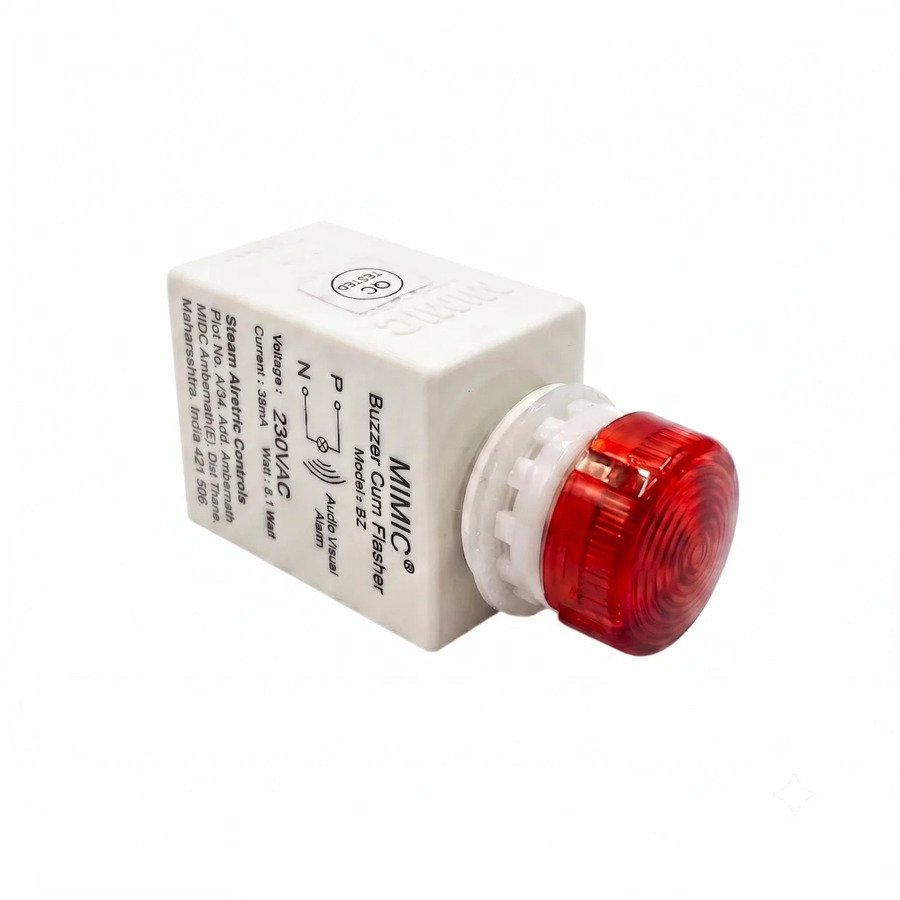
A 22mm flasher buzzer is a compact panel-mounted signaling device designed to provide an audible alert along with a flashing visual indication. The 22mm format is particularly useful for control panels where available mounting space is limited.
When an alarm condition is activated, the buzzer produces a sound while the visual element flashes. This combination can be useful in environments where operators may not always be looking directly at the control panel.
The device can therefore serve as a straightforward warning interface between an electrical control system and the person monitoring it.
Why Combined Audio and Visual Alerts Matter
Industrial environments can be busy and sometimes noisy. A conventional indicator lamp may be overlooked, while an audible buzzer alone may not immediately show where the warning originates.
A combined signaling device addresses both situations.
The sound provides an immediate alert, while the flashing indication gives the operator a visible reference point. Using both signals can make alarm conditions easier to recognize, especially when several components are installed within the same panel.
This approach is useful for applications where quick operator awareness is important.
Benefits of Using a Compact Panel-Mounted Design
Control panels commonly contain switches, meters, relays, circuit protection devices, and other components. Because panel space is valuable, compact signaling equipment can be advantageous.
A 22mm mounting format can help maintain a clean and organized panel layout. It can also allow designers to place warning devices close to the controls or indicators associated with a particular machine function.
Some practical advantages include:
- Space-efficient panel installation
- Combined audible and visual notification
- Easy recognition of warning conditions
- Suitable for different control and automation environments
- Convenient integration into electrical panels
- Improved operator awareness
The exact electrical characteristics should always be checked against the application before installation.
Common Applications
Panel-mounted audio-visual signaling devices can be used across many industrial and electrical environments. Their role is generally to notify personnel when a particular condition requires attention.
Typical applications may include:
- Industrial control panels
- Automation equipment
- Machinery control systems
- Electrical distribution panels
- Production-line equipment
- Pump and motor control panels
- Process monitoring systems
- Warning and fault indication circuits
For example, a control system may activate the device when a machine experiences an abnormal operating condition. The flashing light helps identify the warning, while the buzzer provides an audible notification.
Choosing the Right Voltage
Electrical compatibility is one of the most important considerations when selecting any panel signaling component. The operating voltage of the device should match the control circuit for which it is intended.
Before purchasing or installing a signaling unit, check:
- Rated operating voltage
- Current requirements
- Wiring arrangement
- Mounting dimensions
- Environmental conditions
- Required sound and visual characteristics
Selecting the correct electrical specification helps avoid compatibility problems and supports dependable operation.
Installation Considerations
Proper installation contributes to the reliability of a warning device. The mounting location should be selected so that the visual signal can be easily seen and the audible signal can be heard by the intended operator.
The panel should have the correct mounting opening, and the device should be secured according to the manufacturer's instructions.
Electrical connections should also be made carefully. Power should be isolated before wiring or servicing the component, and installation should be carried out by appropriately qualified personnel.
Where a 22mm Flasher Buzzer Can Add Value
The main value of this type of device is straightforward communication. It does not replace a complete monitoring or safety system, but it can provide a useful local indication of an operating condition.
For instance, if an automated machine stops because of a fault, a local audio-visual signal can immediately draw the operator's attention to the panel. This can reduce the chance of an alert being missed during routine operation.
In systems where multiple warnings are possible, clearly planned signaling can also help operators understand that a condition needs investigation.
Maintenance and Routine Checks
Like other electrical panel components, signaling equipment should be inspected periodically. Regular checks can help identify issues before they affect normal operation.
During maintenance, technicians can inspect the device for:
- Loose electrical connections
- Physical damage
- Unusual sound output
- Weak or inconsistent flashing
- Dust or contamination
- Signs of overheating
The inspection schedule should depend on the operating environment and the importance of the signaling function.
Final Thoughts
A 22mm flasher buzzer offers a practical way to provide both audible and visual notification from a compact panel-mounted device. Its combination of sound and flashing indication can help operators notice important conditions more quickly than relying on a single type of signal.
For control-panel designers and maintenance teams, the key is to select a model that matches the required voltage, mounting arrangement, environmental conditions, and application requirements. When correctly specified and installed, a compact signaling device can become a useful part of an organized industrial warning system.